A story that haunts me.
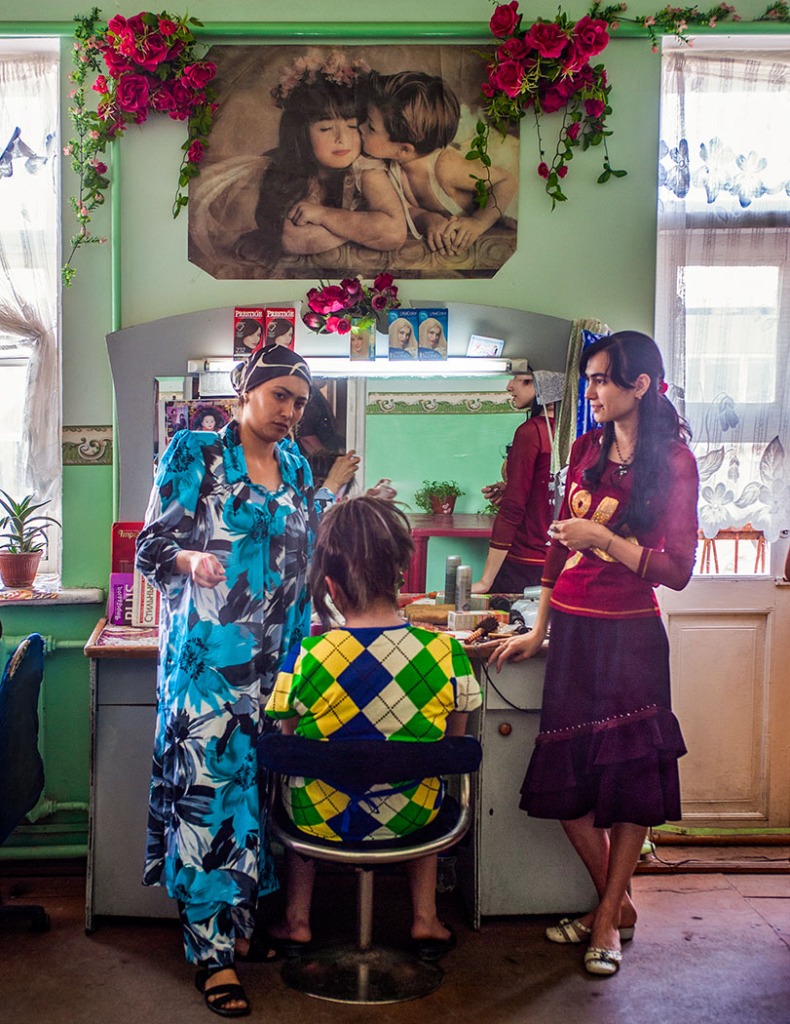
I’ve never shown these pictures from 2009. I found these women styling hair and sewing above the Khujand Market in Tajikistan.
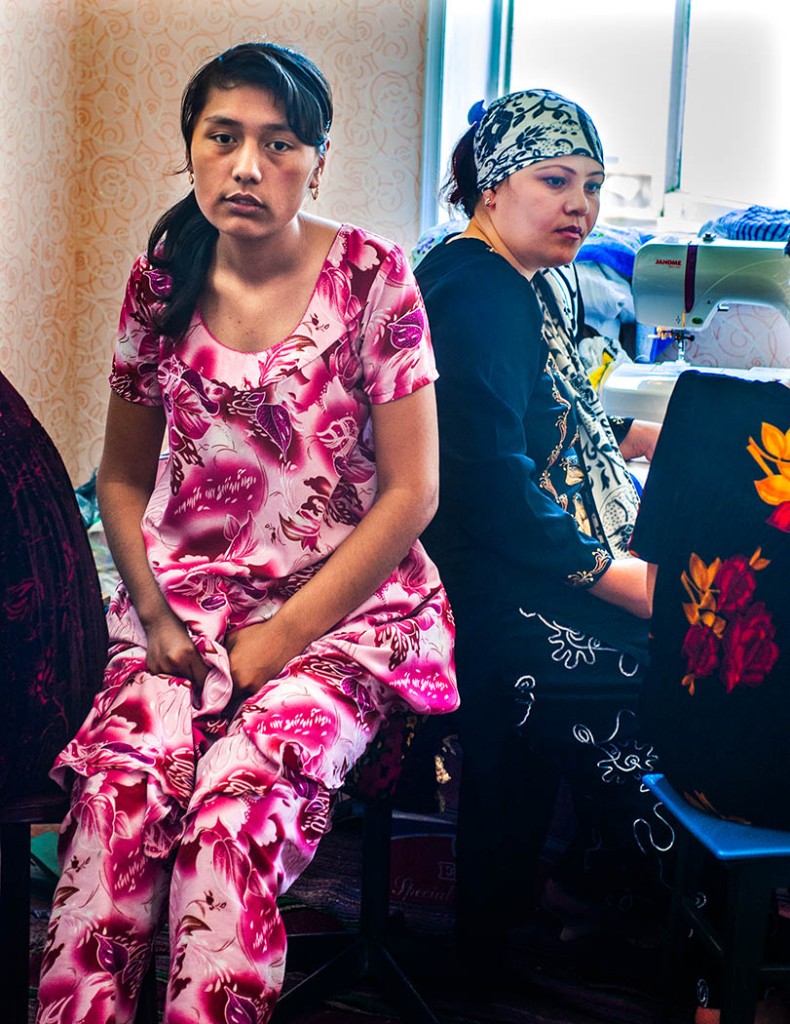
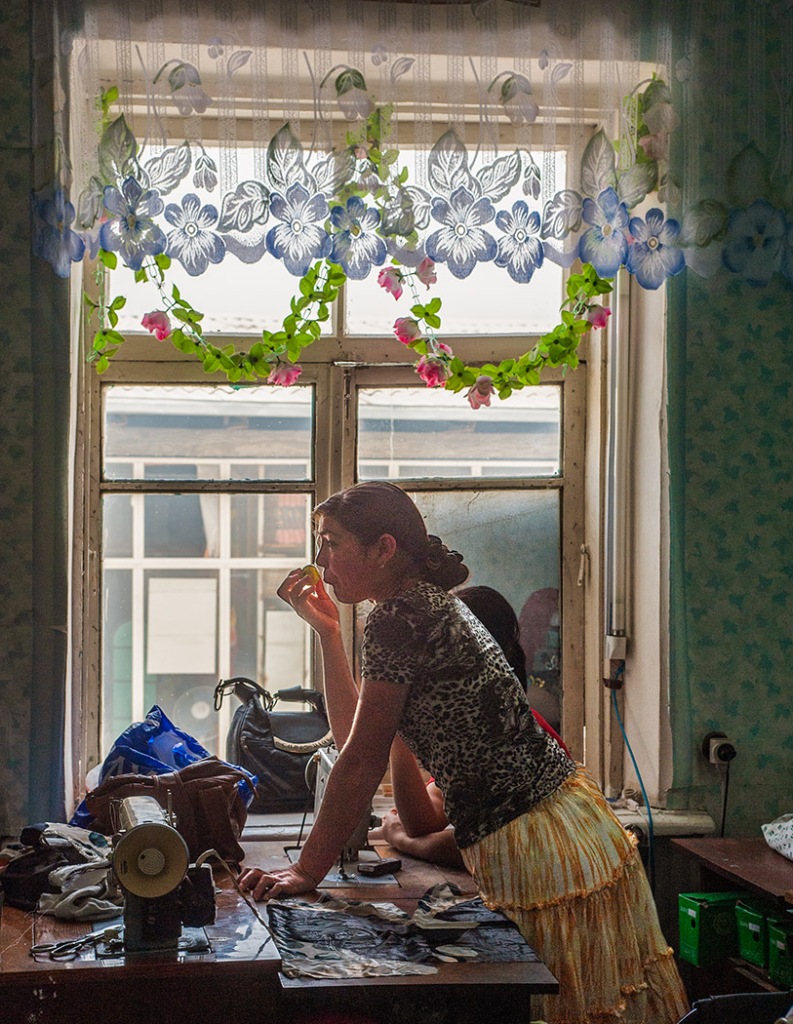
Each group was working in a small room.
I photographed as I walked the long corridor.
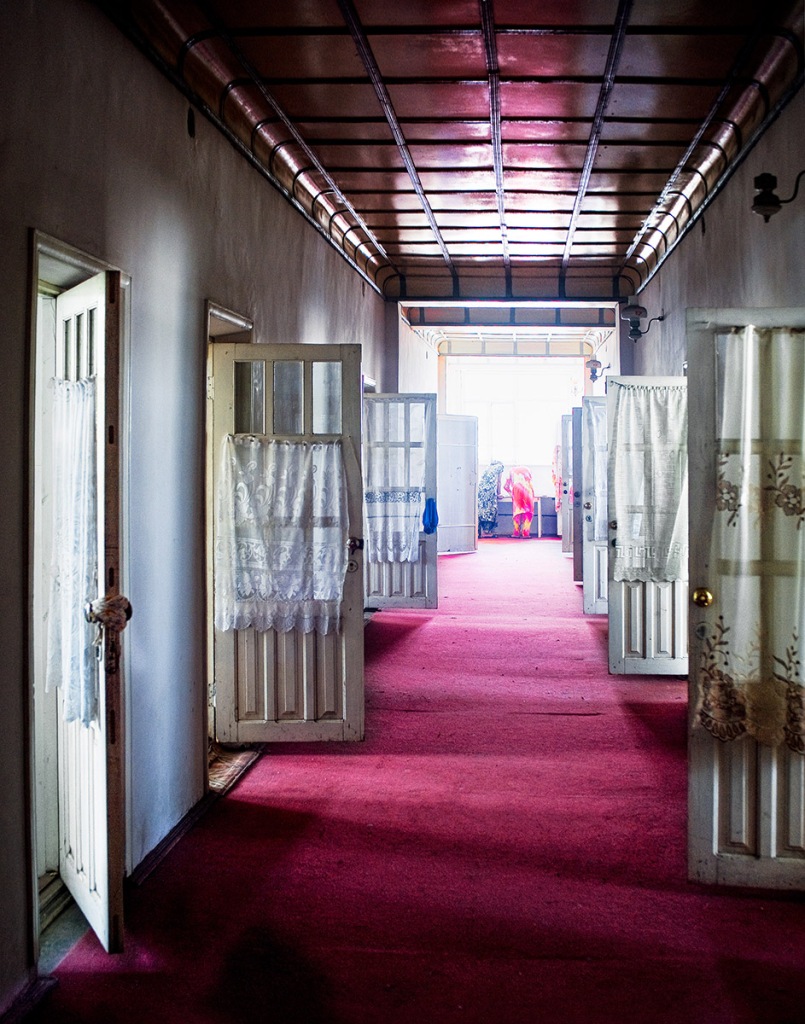
In the middle of this corridor is a lounge with two men sitting. This is where the staircase descends into the multi-leveled bazaar.
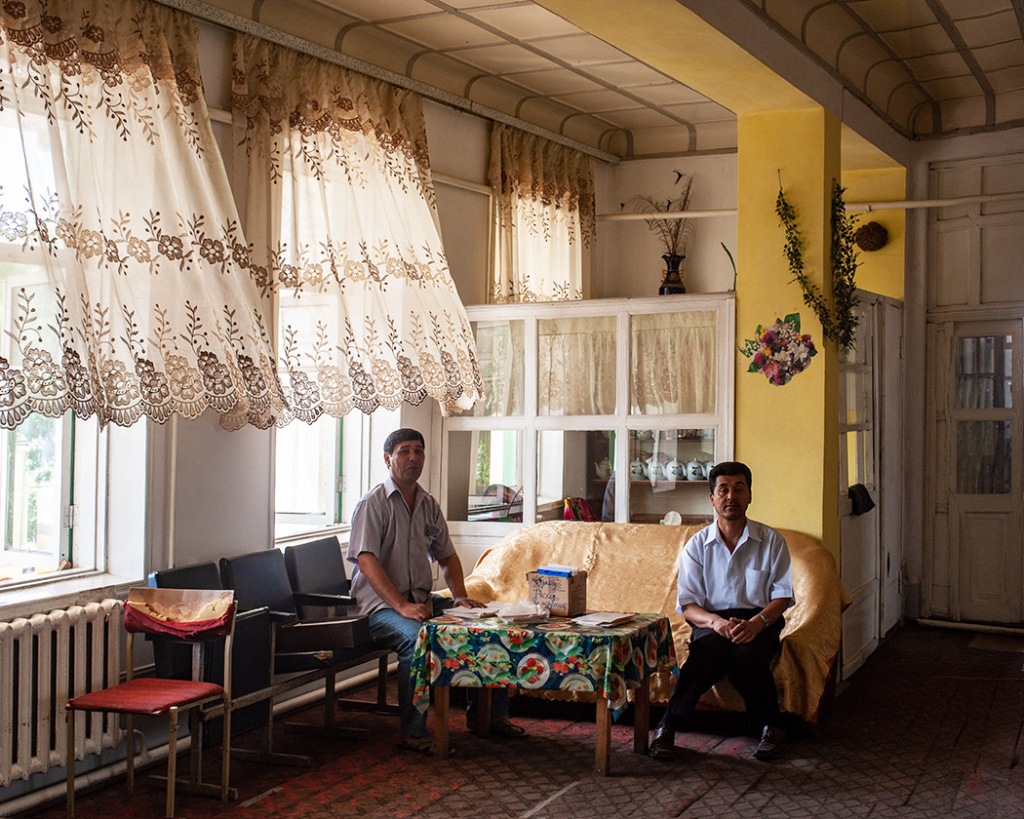
As I turned to go downstairs, one man called out, “If you see a girl you like, tell us which one and come back tonight.” I did not know if that was a joke or not. I just kept going down the stairs.
Here is a chance to make pictures and get constructive feedback on your photography.
SDN is offering two exciting in-person programs in New York City. Check it out Here.
Donna Ferrato’s Risky Pictures just started on March 9 (sorry to be late on this). It is happening on 7 more Thursdays. This is a very active workshop.
Natalie Keyssar’s Strengthening Your Photographic Voice is an active, in-person weekend 2 day workshop in New York City beginning Saturday March 25 thru Sunday March 26. Visit SDN for more info.
SDN Reviews Saturday April 1st 2023
SDN has brought together photography experts from top picture editors to award winning photographers. Tbey will provide 25 minute feedback sessions online. There is a small fee and a couple of larger financial awards to the top 2 participants in the day long, one to one sessions and the follow-up discussion. Click the link above to find out more.
More Drunken Bicycle + SDN Opportunity
Vivian’s and my new book is now available through the Blurb Bookstore.
blurb.com/b/11364744-the-drunken-bicycle
Click on the preview to get a look.
We have limited copies at a discount price. First come first served. Please contact us at:
fmward@gmail.com

Truckstop, Svaneti, Georgia, 2019
Here is what is happening at the Social Documentary Network:
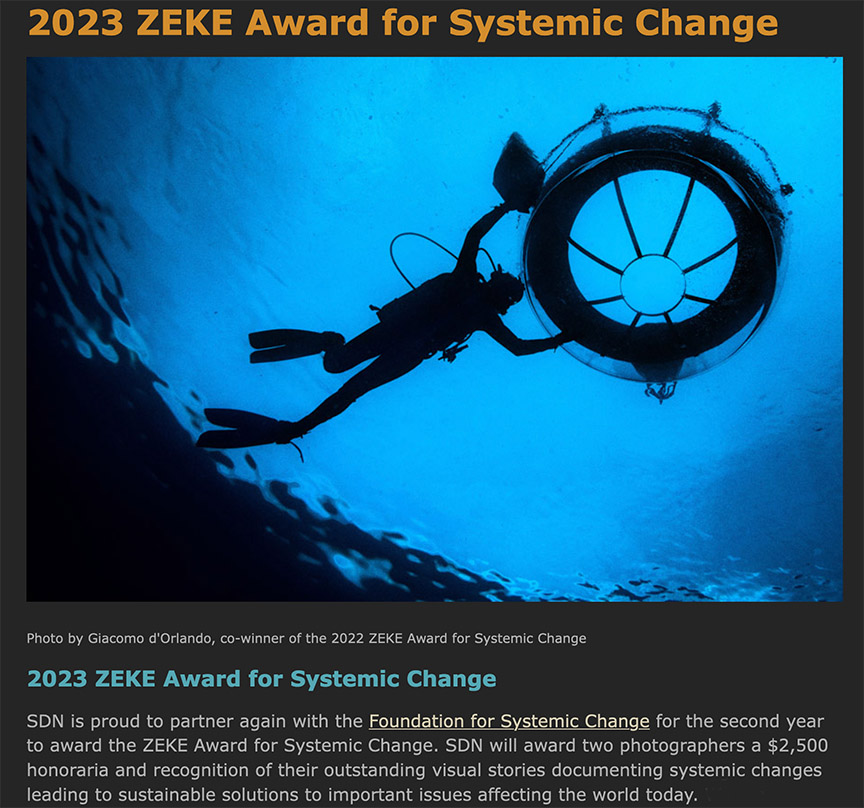
For more information about SDN, ZEKE and the Award for Systemic Change go to:
Travels in the Post Soviet World: The Drunken Bicycle!
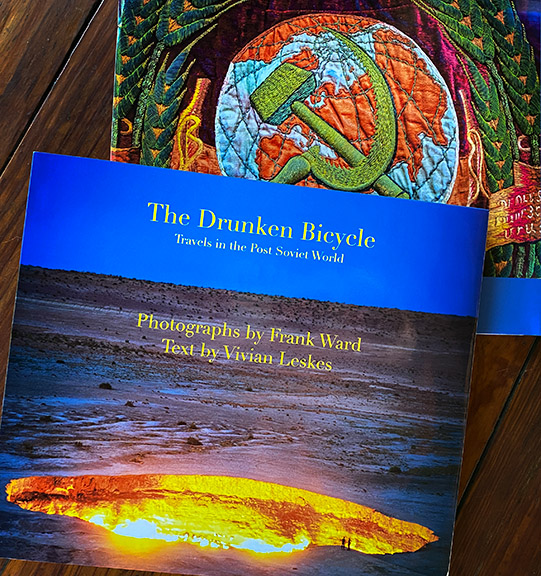
My photographs of the Post Soviet World have recently transitioned from gallery show to photo book. The Drunken Bicycle features 83 of my pictures and 30 short essays by Vivian Leskes.
The pictures span 21 years of photography beginning in Ukraine in 2001. The most recent photographs are from Lithuania in 2022. Vivian’s essays explore the conundrums and paradoxes of this world in transition. Vivian has worked for the US Department of State for over two decades training English teachers abroad. And I have been doggedly following her on every trip I can.
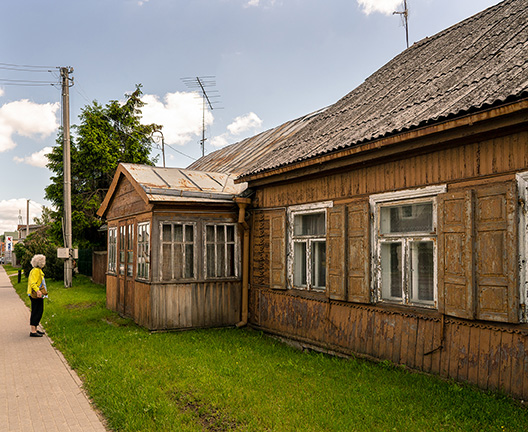
Vivian has a first look at her ancestral home in Panemune, Lithuania. 2022.

Waiting out the rain in Vilnius, Lithuania, 2022.

Polka dot painted windows on the train from Vilnius to Kaunas, Lithuania 2022.
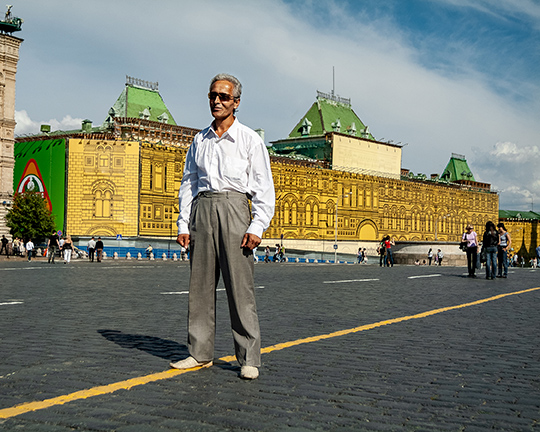
Red Square, Moscow, 2008.
We hope to have The Drunken Bicycle on sale by the end of the year. Check this blog for more information.
Thanks for waiting two years since my last blog post.
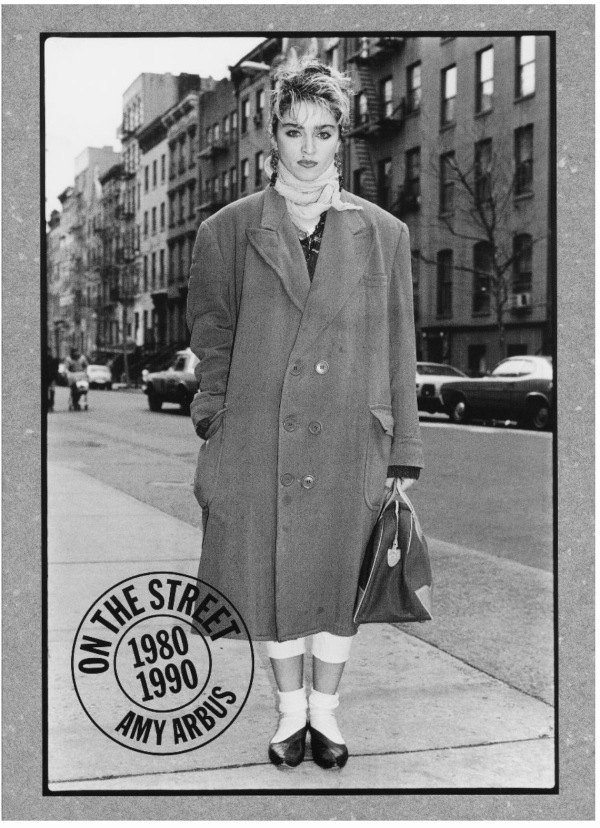
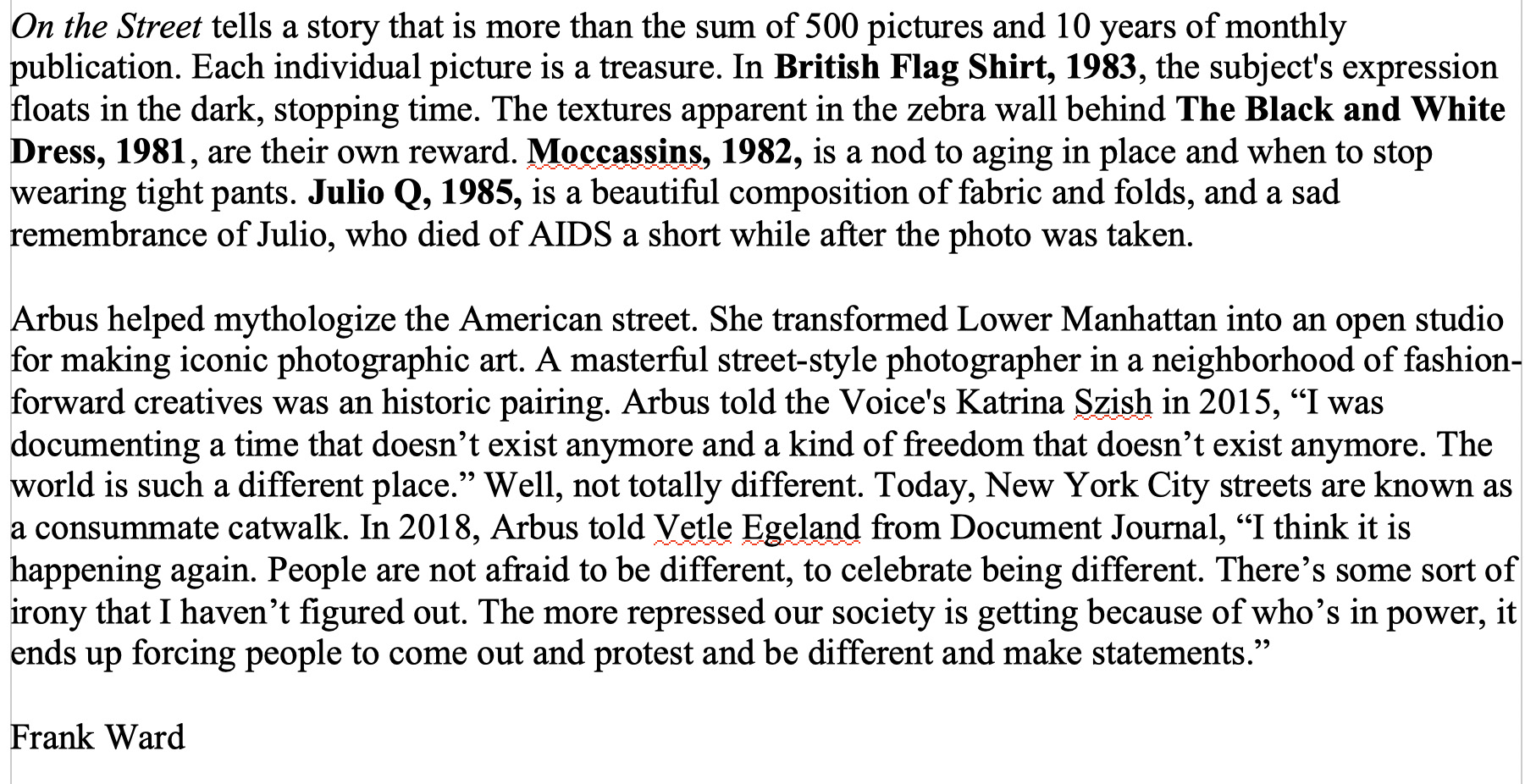
AMY ARBUS “ON THE STREET” IN BRATTLEBORO, VERMONT


Russia and the New Normal
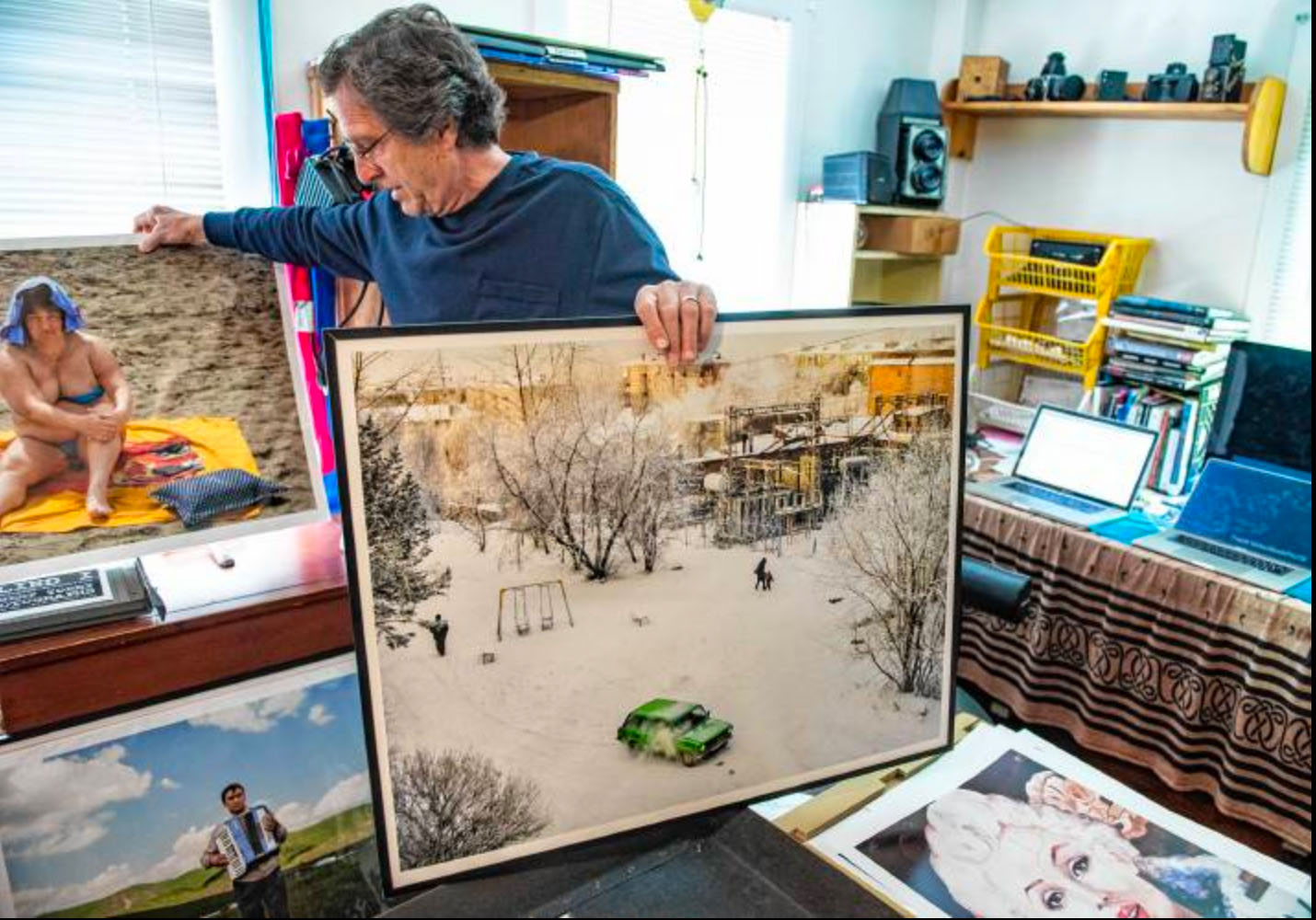 These pictures of me at home were made by Kevin Gutting for the Daily Hampshire Gazette and the Greenfield Recorder in September 2019. I was preparing for a show about the former Soviet Union with photographer Robert Tobey at the A.P.E. Gallery in Northampton, Massachusetts. Pictures were spread all over my house.
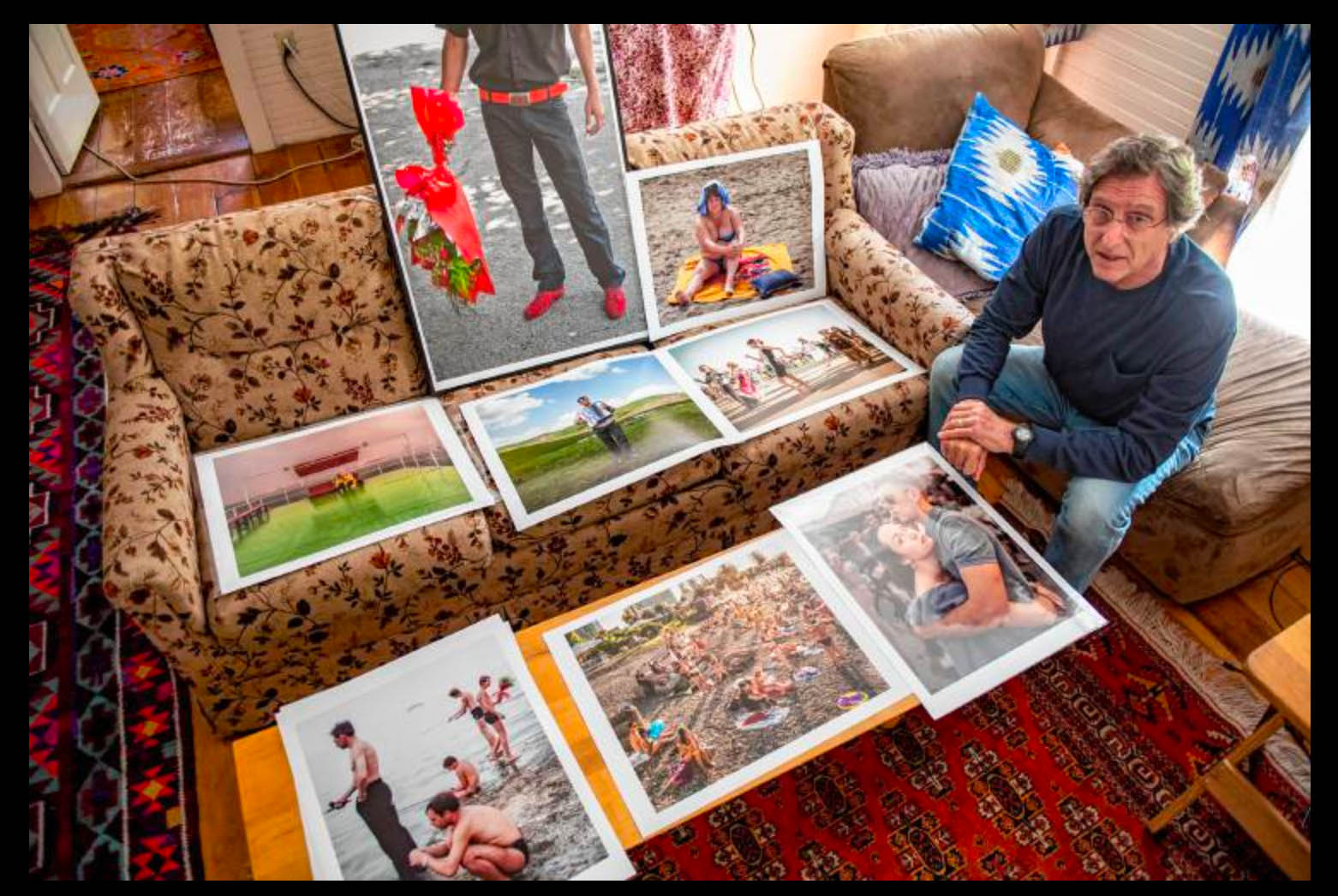
That first week of this past September was the week before I began 7 weeks of daily radiation, and weekly chemotherapy, for oral cancer.
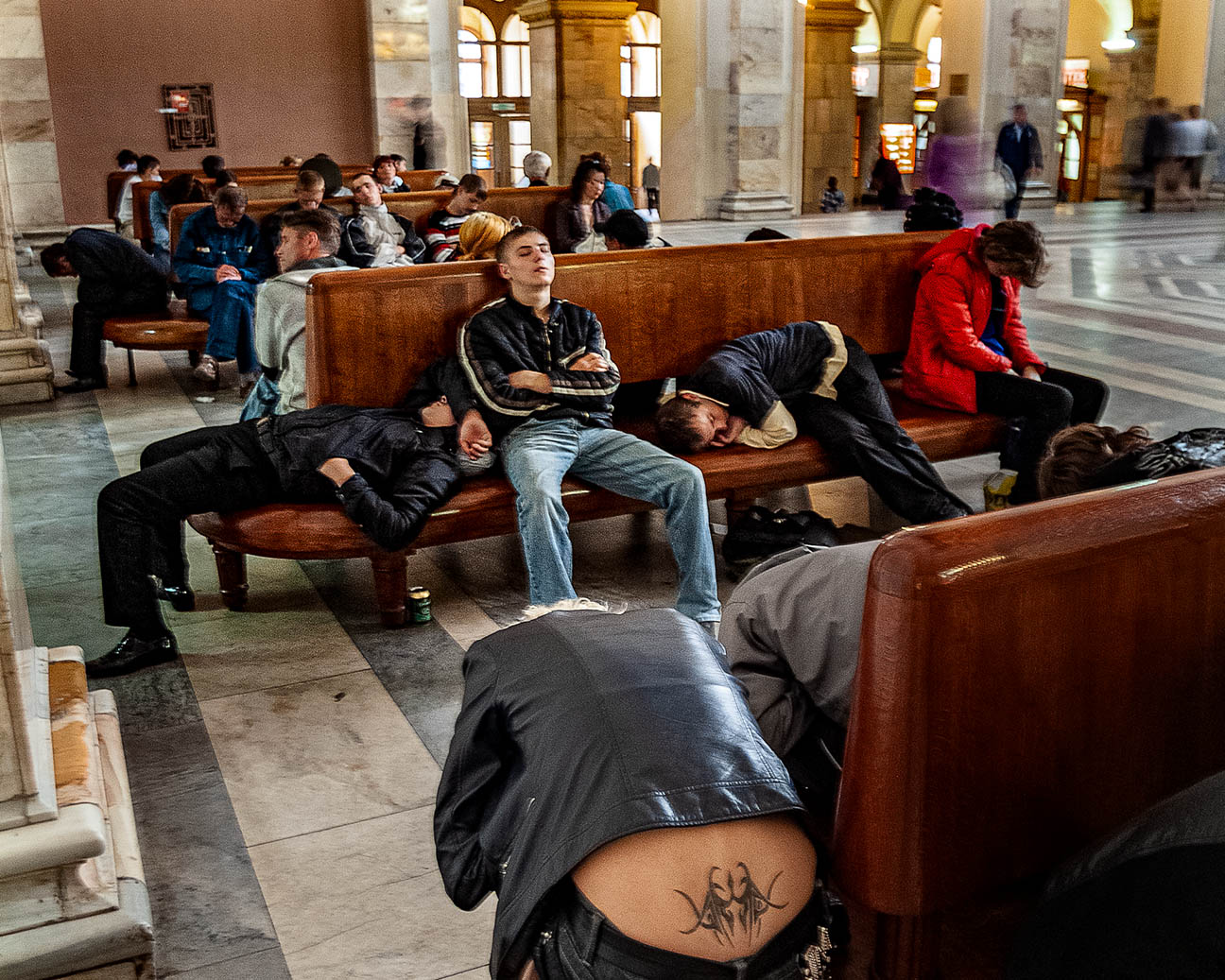
My recovery from the treatments started the first of November. Basically, I began sheltering in place several months before the rest of the world.
All photographs by me, except when noted. The above picture is from St Petersburg, Russia. Below is from Baikalsk, Siberia, 2008.
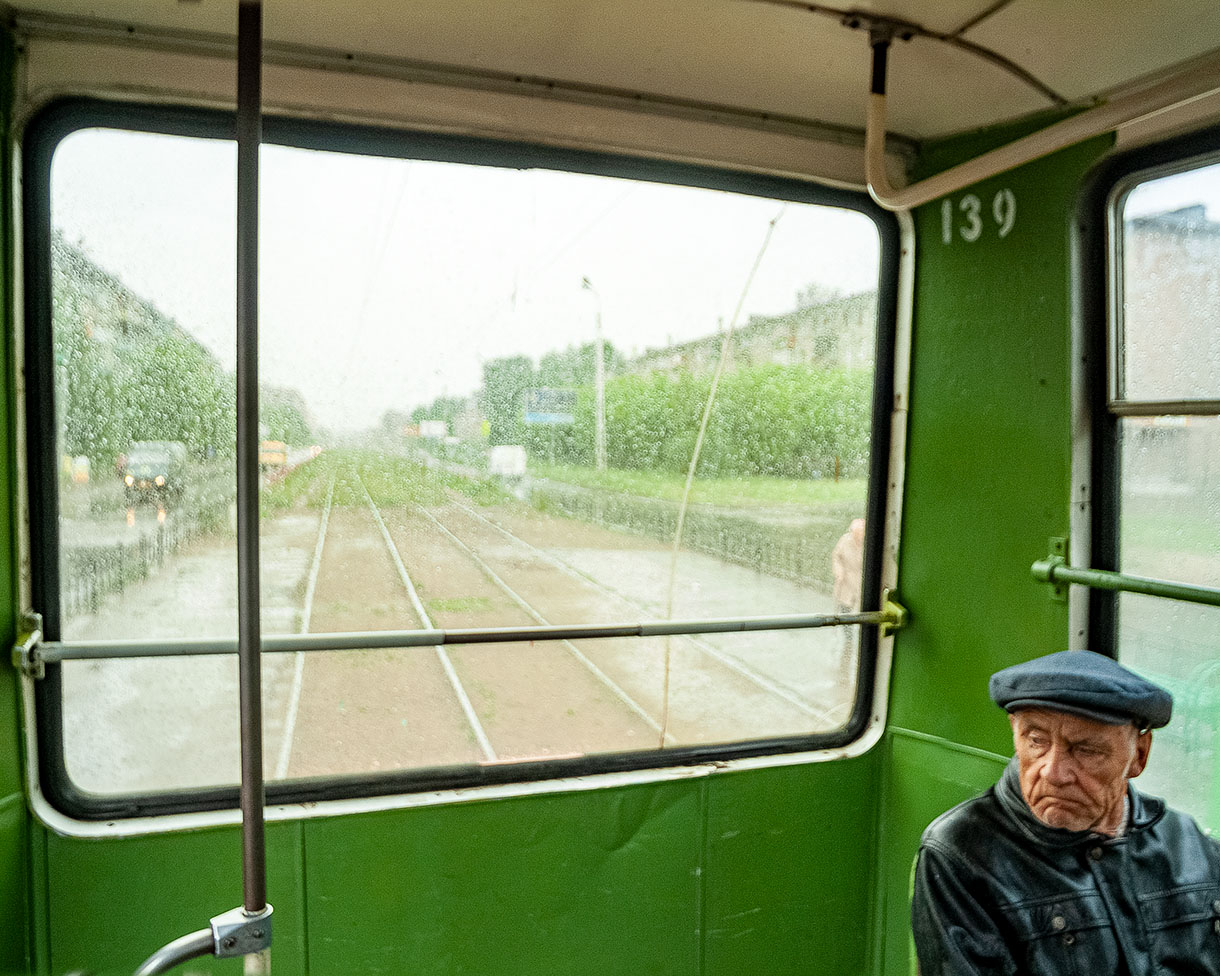
In January, the doctors declared me cancer free. Now, my challenge is to continue recovering from the treatment. I should be at my new normal with six more months of recuperation. I think the rest of the world may be at a new normal around then also.
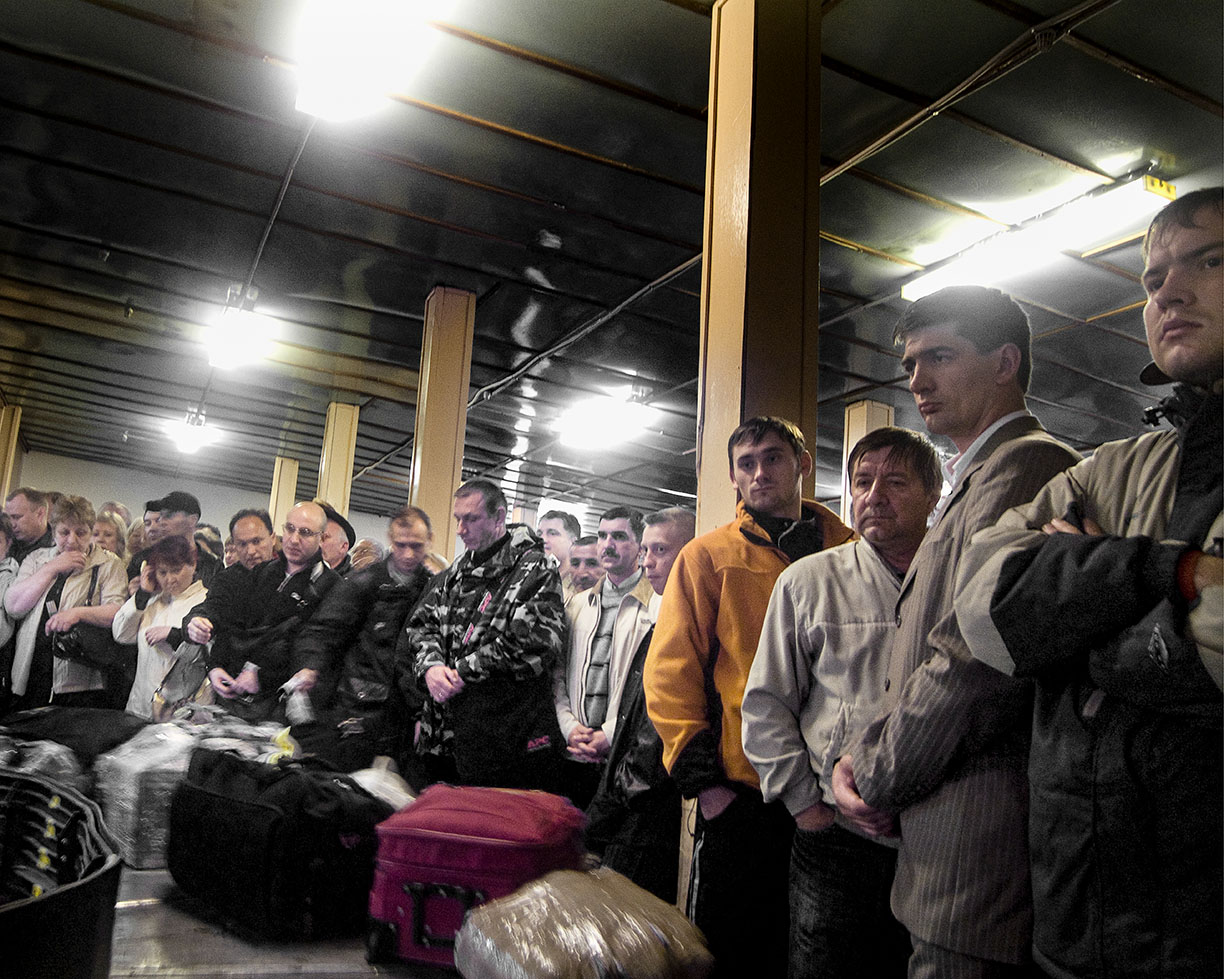
Above: Irkutsk Airport arrival hall, 2008.
May the world’s new “normal” be better than the old one.
Krasnoyarsk, Siberia, 2008.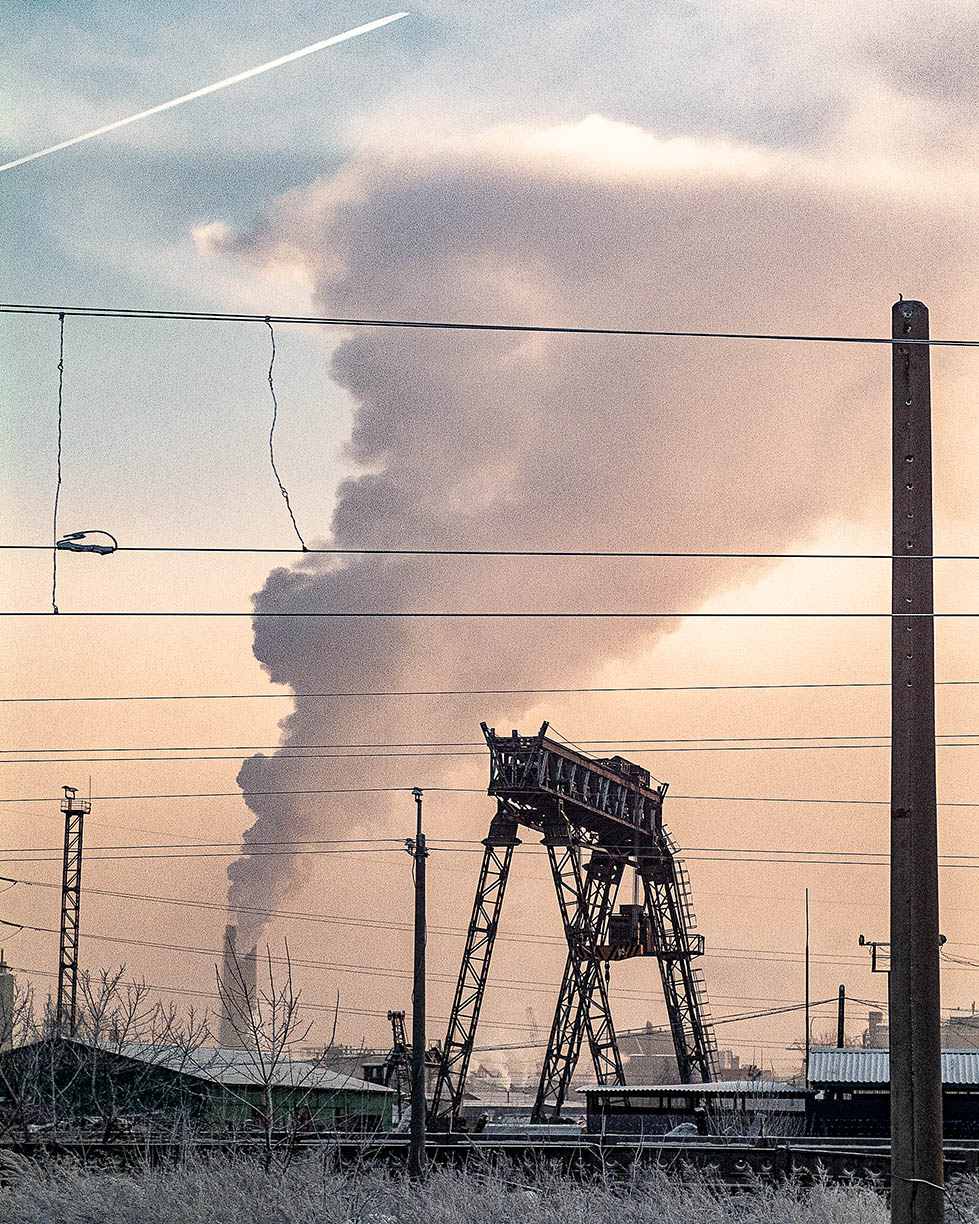
I think our planet has used this pandemic lock-down to recover a bit from all that humans have done to it.
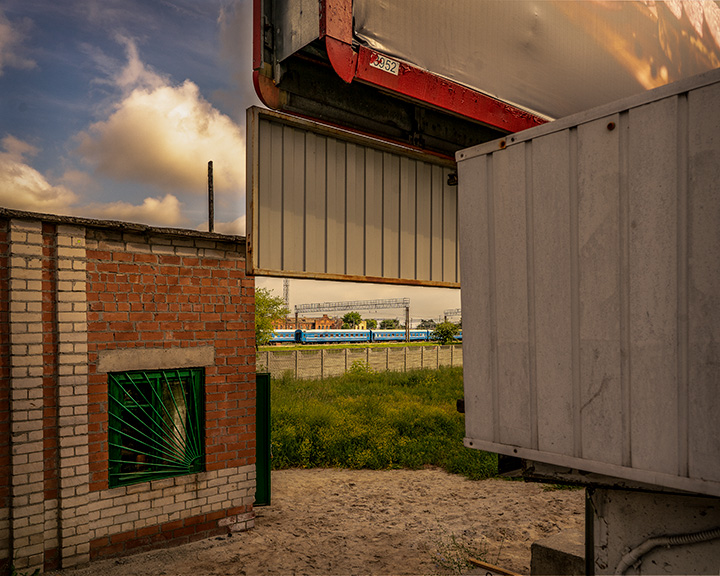
Above: Brest, Belarus, 2018
Below: The Japanese Butoh Master Kazuo Ohno at 90 years old, circa 1990. Traditionally, Butoh is a dark, almost tortured, dance form. In this moment Ohno smiled as he unfolded a flower from his robe.
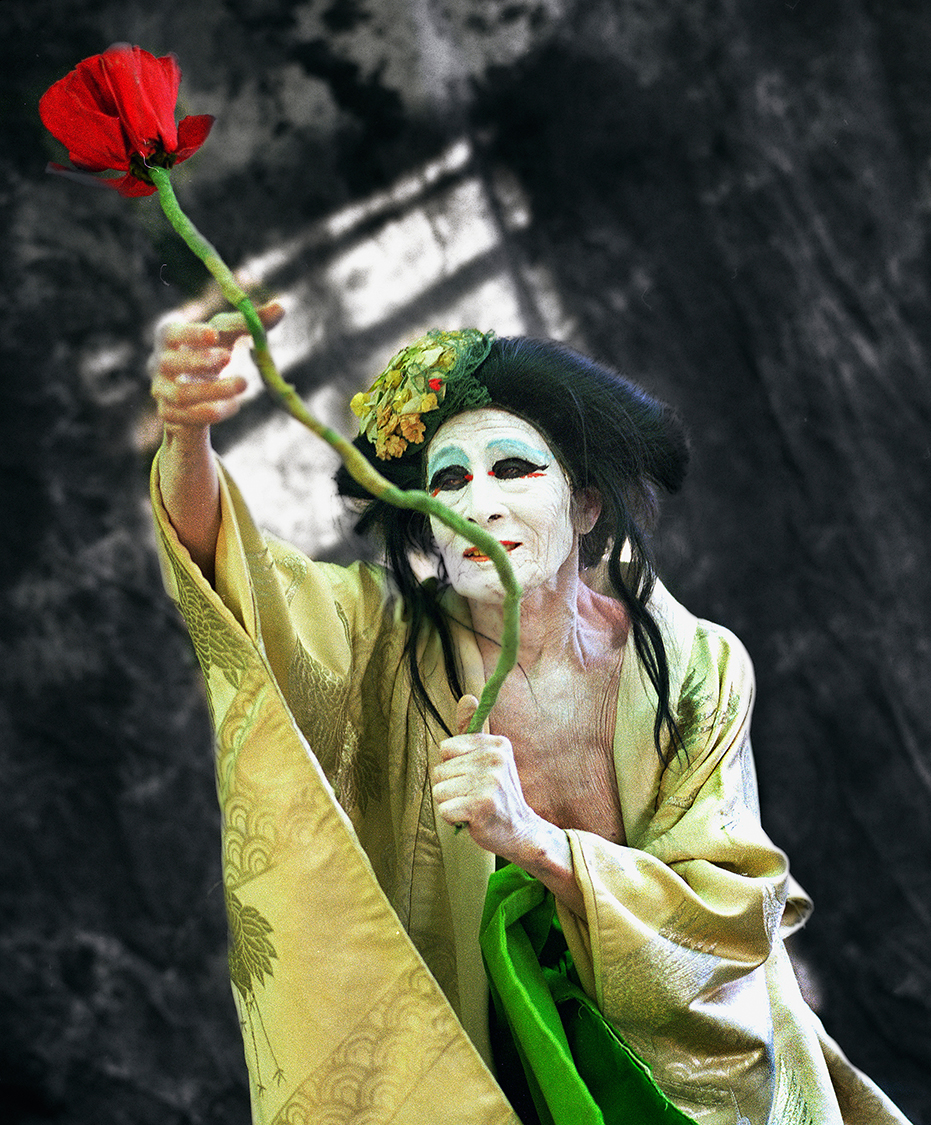
A flower for the world.
AFTER THE LAST EMPIRE II
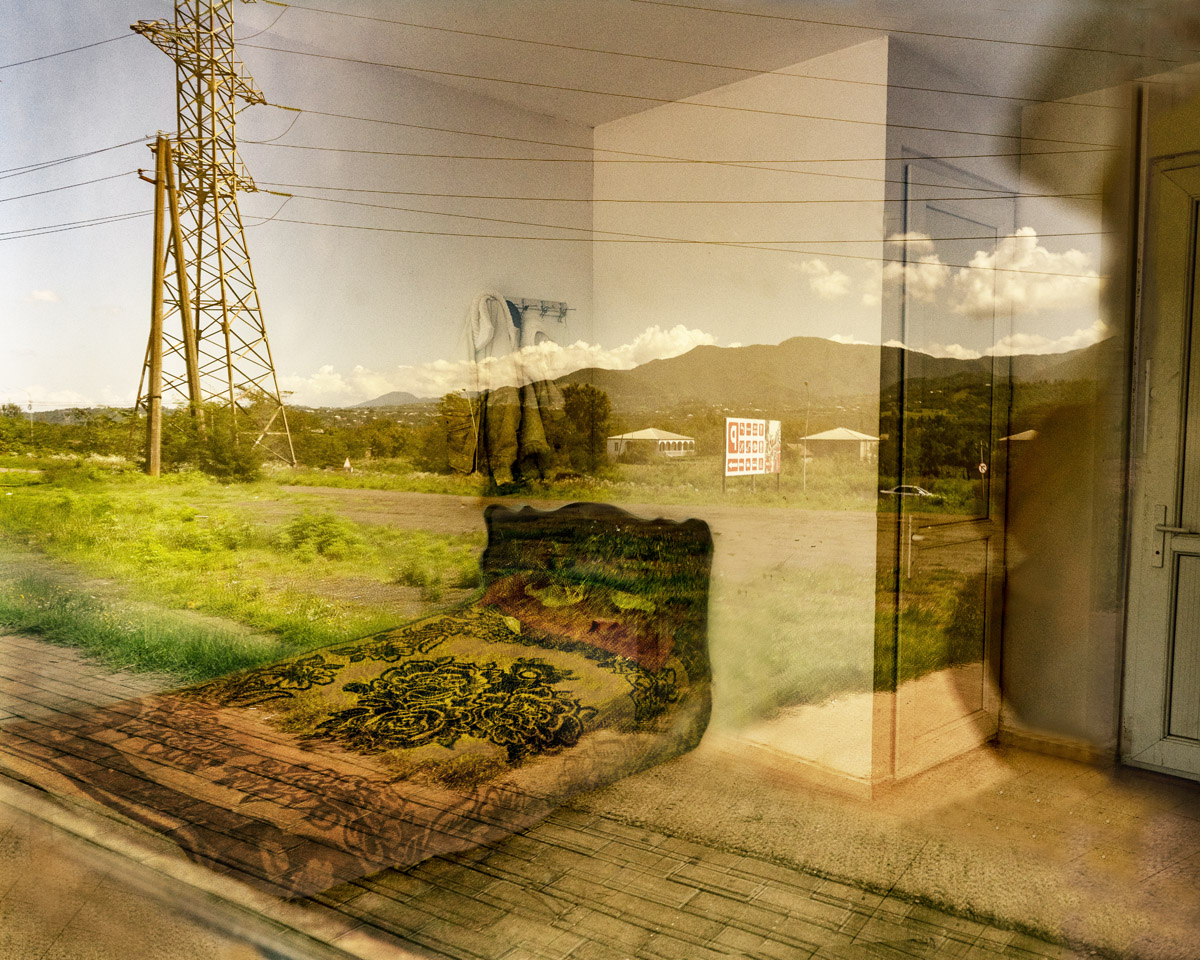
Truckstop Sleeping Area with reflections from window glass, Republic of Georgia, 2019 All pictures by Frank Ward.
“After the Last Empire” had its opening this past Friday and I want to thank all of you who helped make the event a big success. The above picture is of the first Truckstop Sleeping Area that I printed for the show. The previous post has one of a different room that I discovered after making this picture. That one was not included in the show.
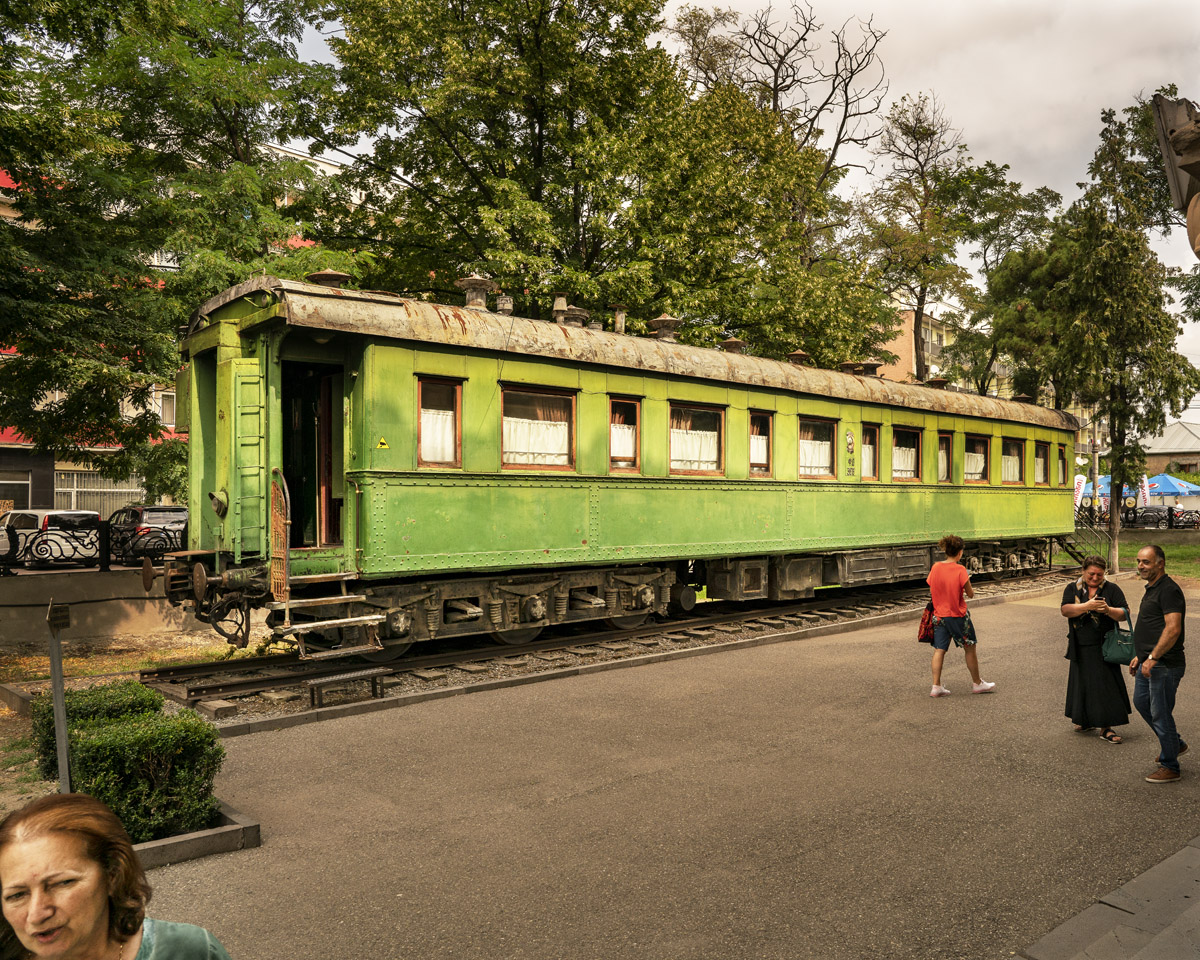
Stalin’s personal train car at the Stalin Museum in Gori, Georgia, 2019.
I really appreciate how much green paint is on view in the former Soviet Union. I’ve been exploiting the color green for years. Below are a few more variations:

A selfie on the Black Sea off of the Georgia Coast. Batumi is in the background, 2019.
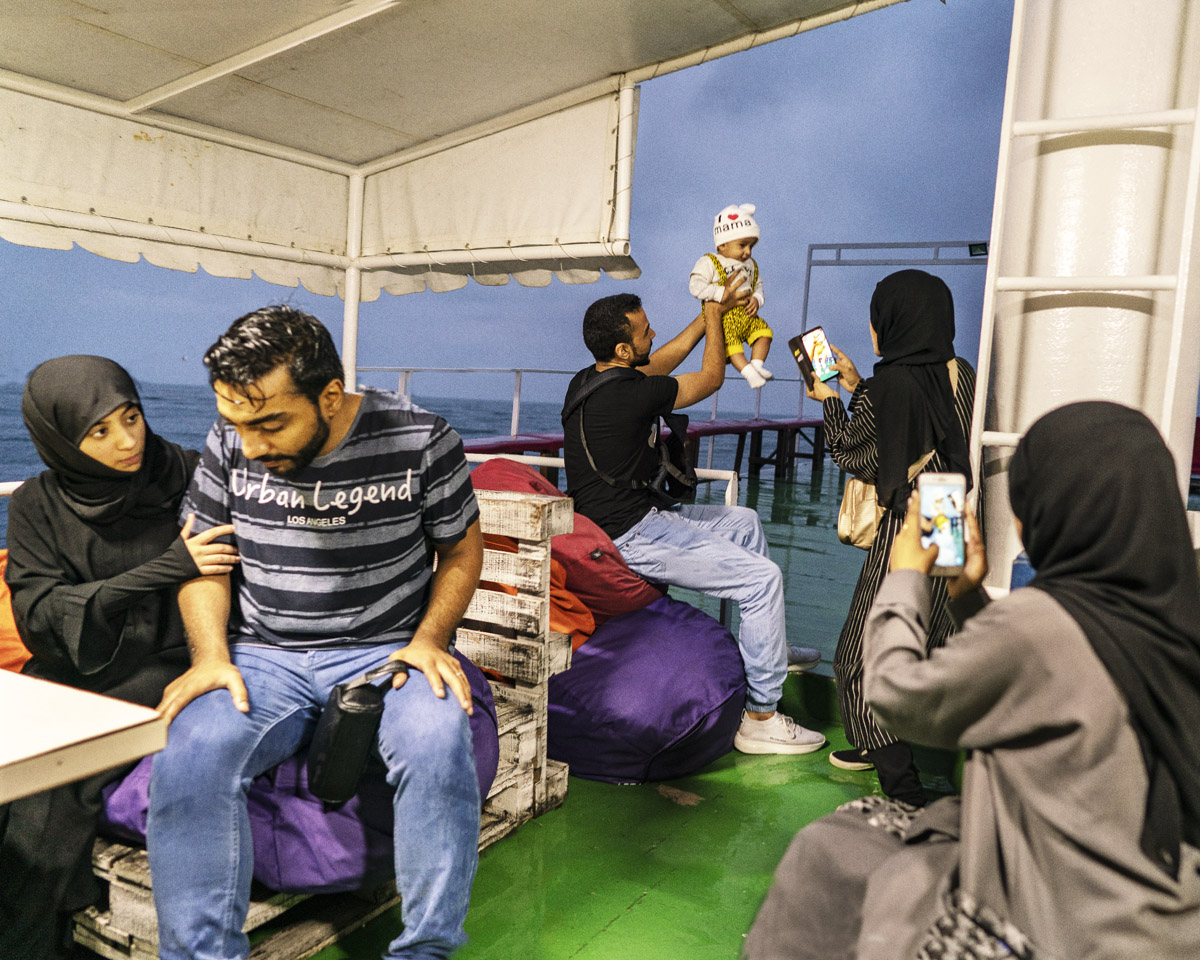
Jordanian Tourists making pictures as we cruise around Batumi in the pouring rain, 2019.
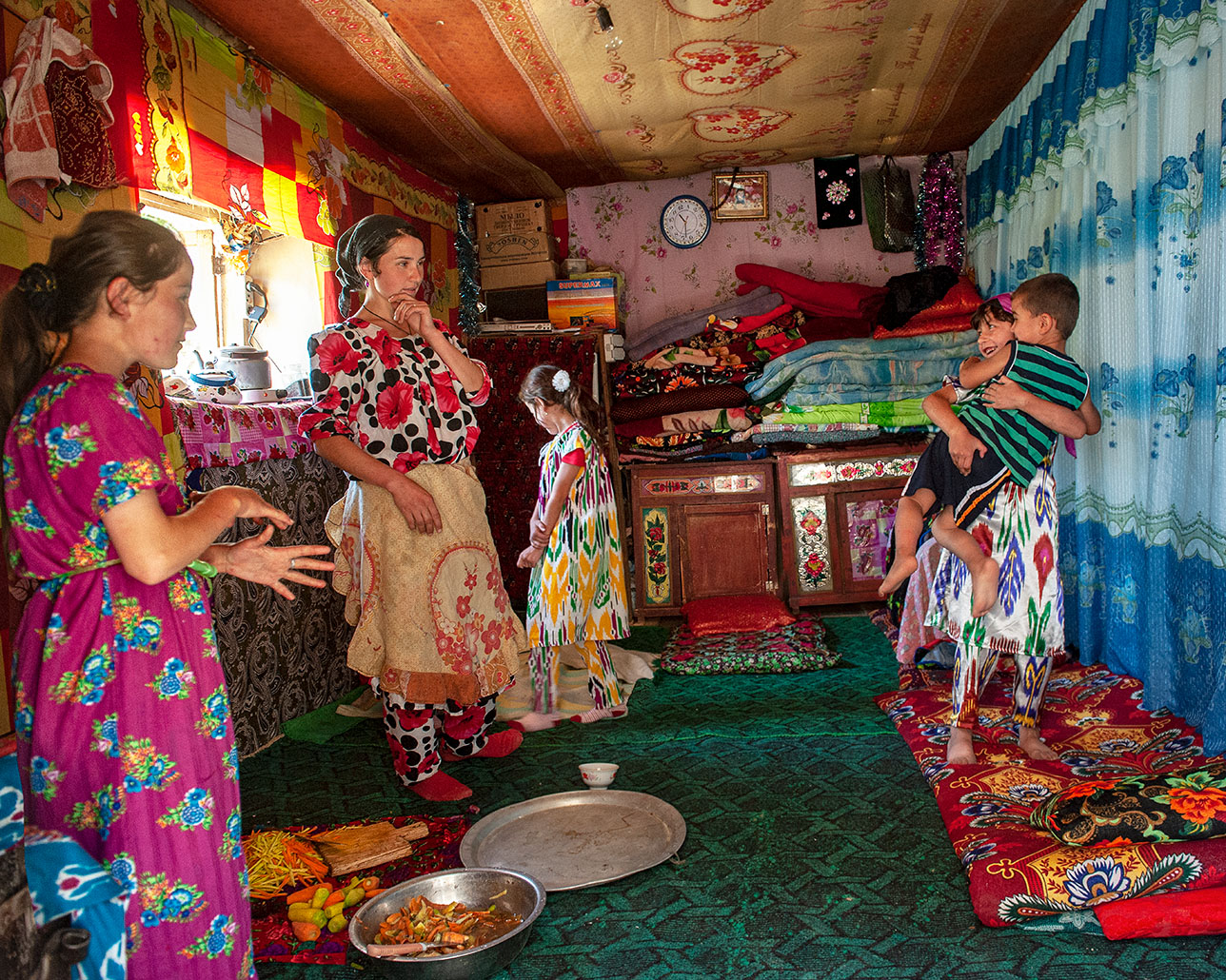
Uzbek family living in the mountains of Tajikistan, 2012.
These guys were wonderful. We stopped to ask if they had a toilet; they had an outhouse, and an orchard of apricots. They shared their outhouse, some drinks and bags of fruit. We had a lot of fun making pictures.
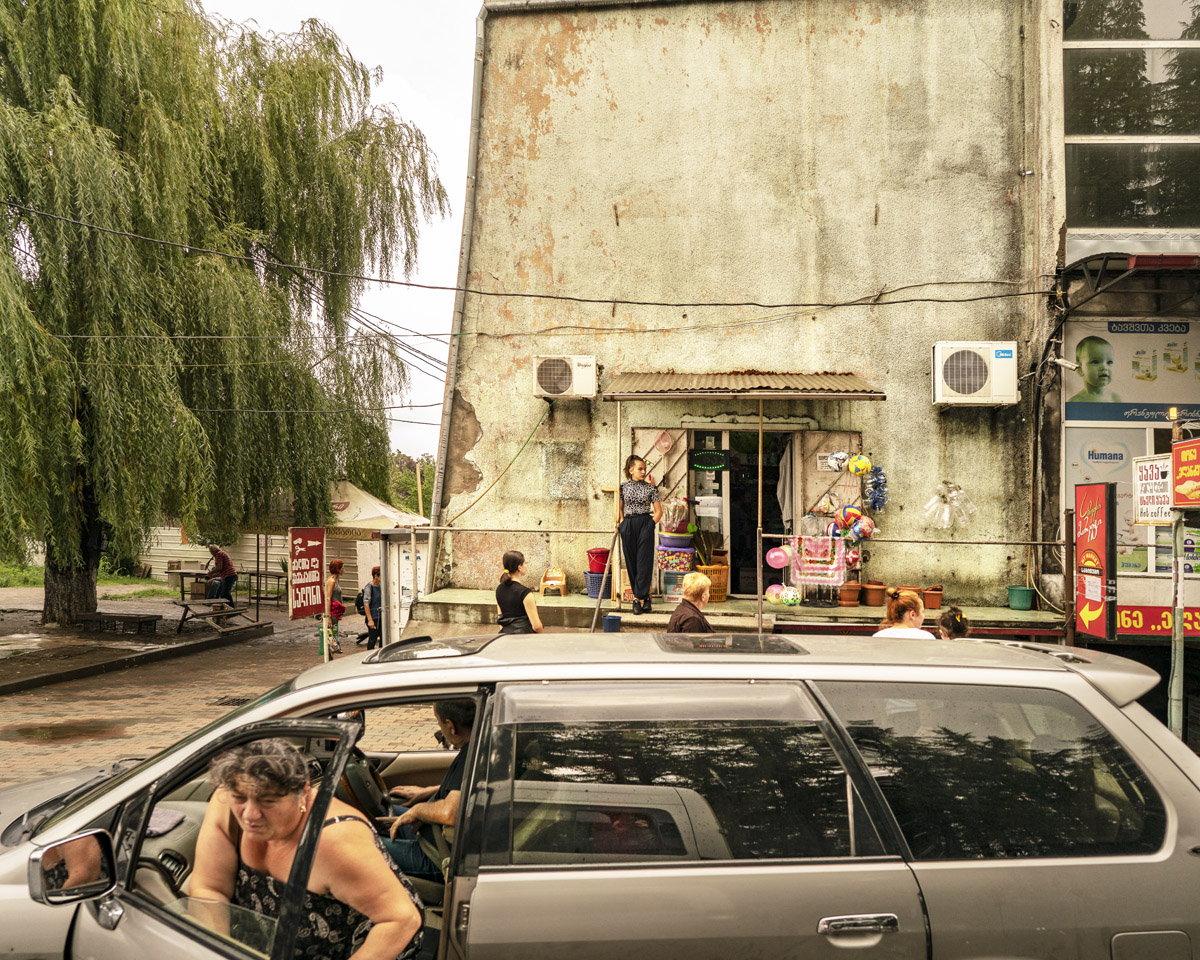
Back on the road in Samtredia, Georgia, 2019.
I’m not a big fan of tree green, but I am a big fan of trees. I also like the three women represented in this picture: the driver in the lower left, the woman standing in the central background wearing dark pants, and the baby at the far right (maybe a girl).

Green Moskovitch outside of the Odessa Jewish Museum, Ukraine, 2018.
AFTER THE LAST EMPIRE
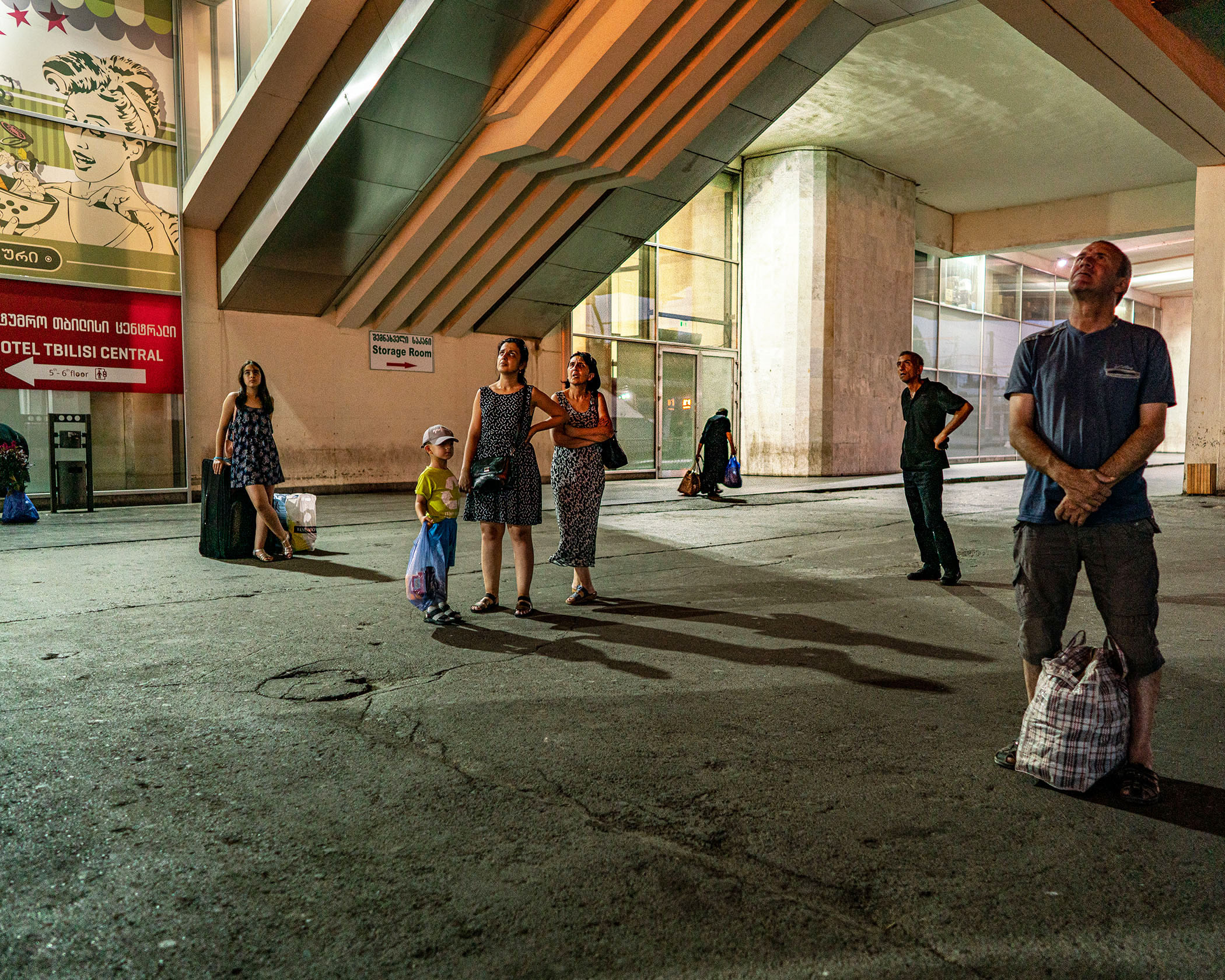
Train Station, Tbilisi, Republic of Georgia, 2019, photo by Frank Ward
Robert Tobey and I have finished installing our show at the A.P.E. Gallery in Northampton, MA, USA.

Truckstop Sleeping Area, Republic of Georgia, 2019, photo by Frank Ward
The above 2 pictures did not make the final cut. Although, if I was to install the show today, I would squeeze them in.
More pictures will come after our opening reception on Friday, Sept. 13th. See the previous post for more information.
Travels in the Countries of the old U.S.S.R.
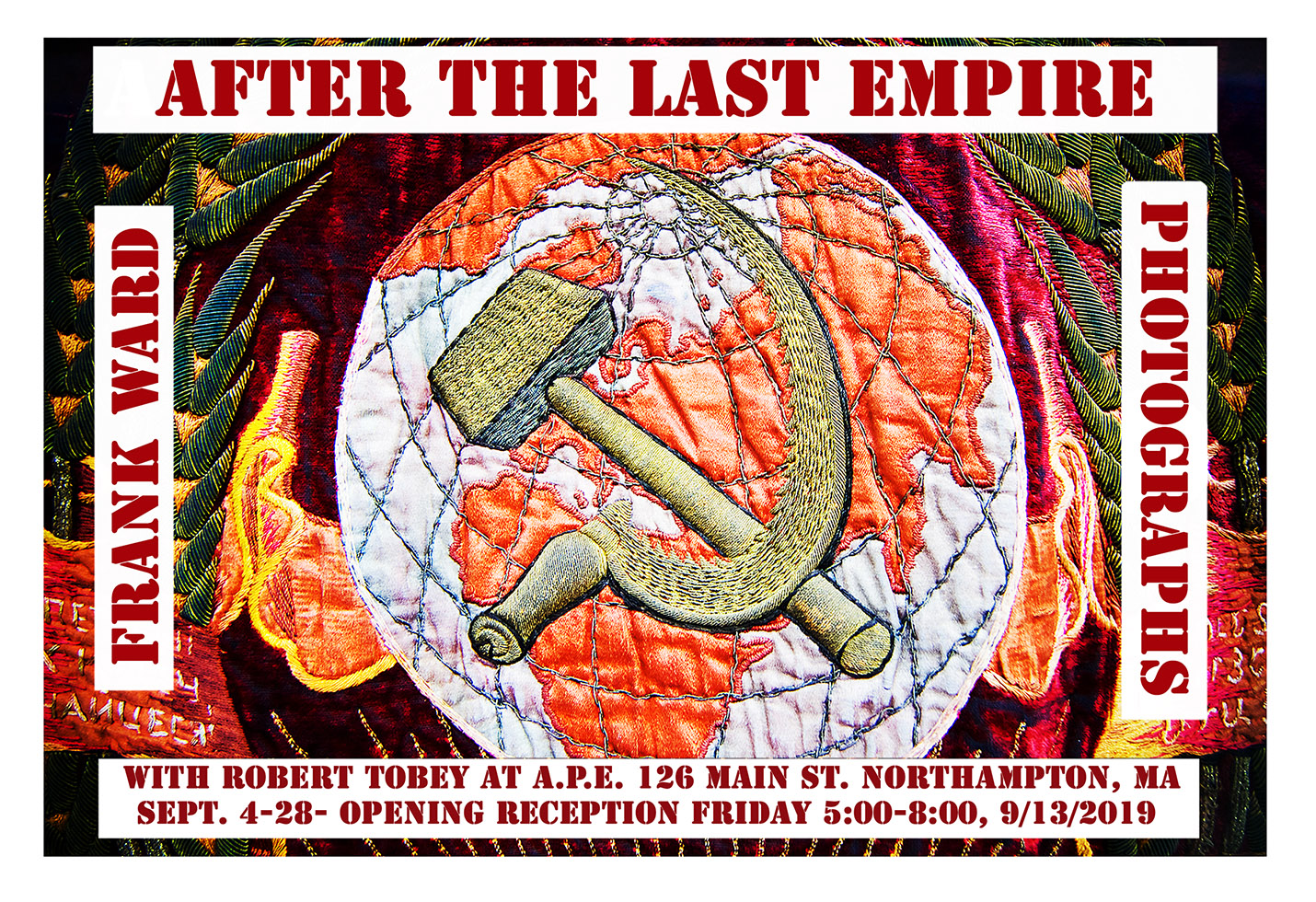
My recent pictures from the countries of Eastern Europe, plus a few older pictures from Central Asia, and the Russian Far East, will be exhibited for most of September at the A.P.E. Gallery in Northampton, Massachusetts. Check the card above for more information, You are invited to the reception on Friday the thirteenth, 5-8.
I am sharing the gallery with photographer Robert Tobey. He is showing his wily studies of the denizens of Western Mass.
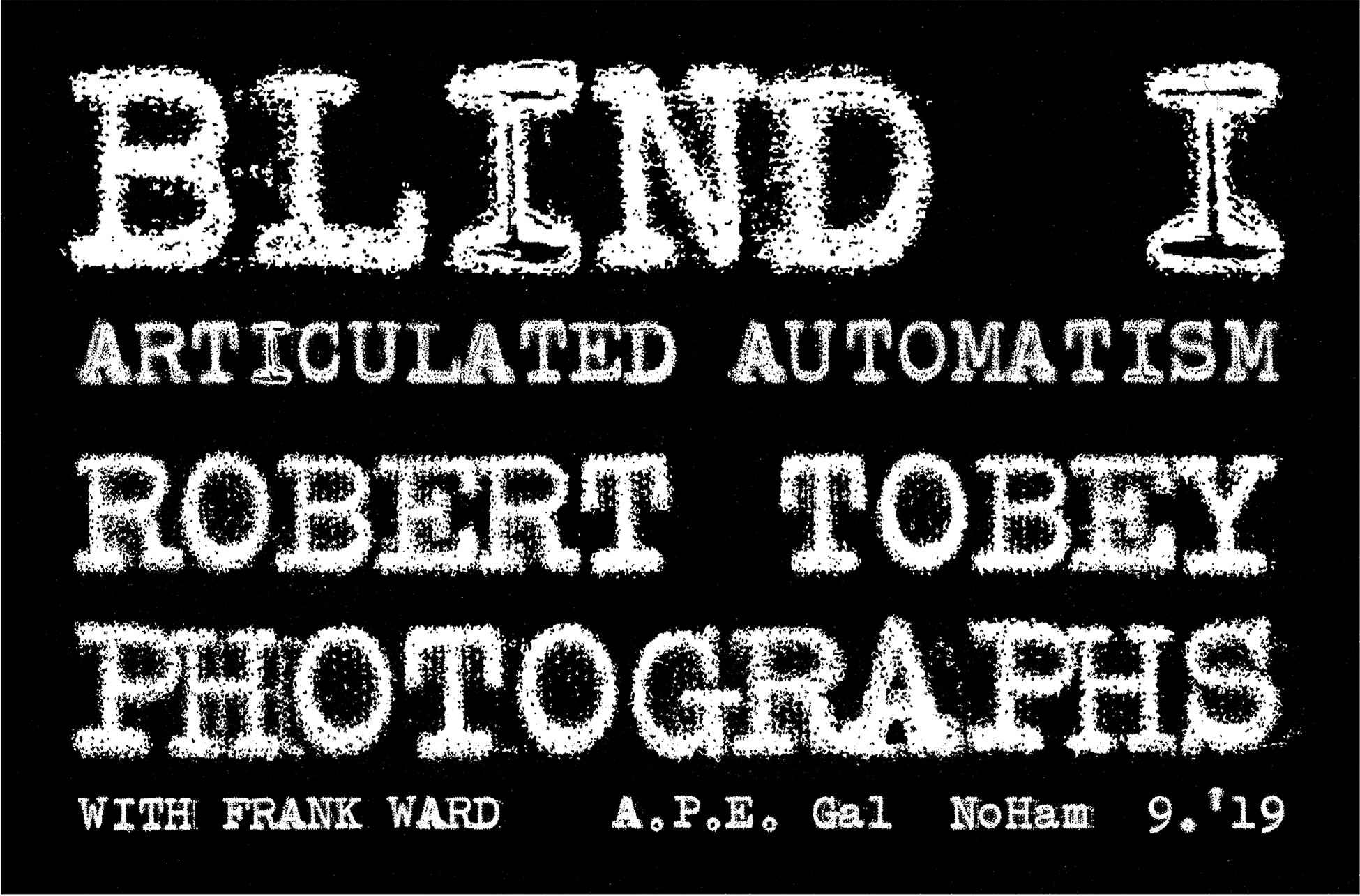
I think our portfolios offer a stimulating contrast of two, or more, cultures living their daily lives in different locations, yet under similar circumstances. The two shows could be combined and called “At Home and Abroad” or “Here and There.” My pictures of people include those who have survived decades of an autocratic, self-serving oligarchy under the rule of the Soviet Union. Robert Tobey is observing the Americans who have lived through a rationally based democratic society until our system failed us with the current President.
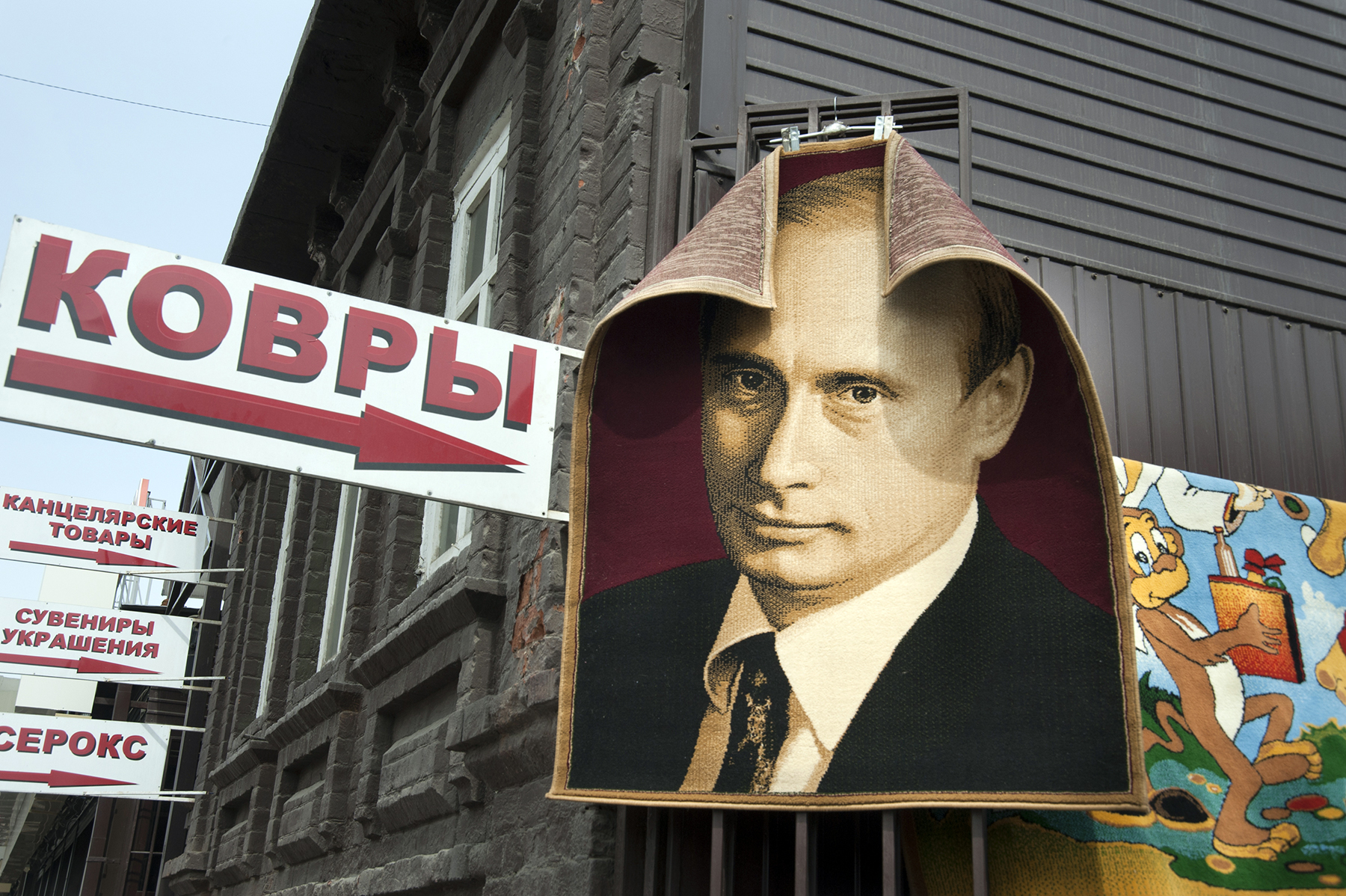
I made this picture of a Vladimir Putin carpet with a cartoon creature exiting the frame with a box of goodies. I suspect that I could find the equivalent depiction of Donald Trump’s activities if I searched online.
I do think Tobey’s and my photo exhibits have several comparative possibilities.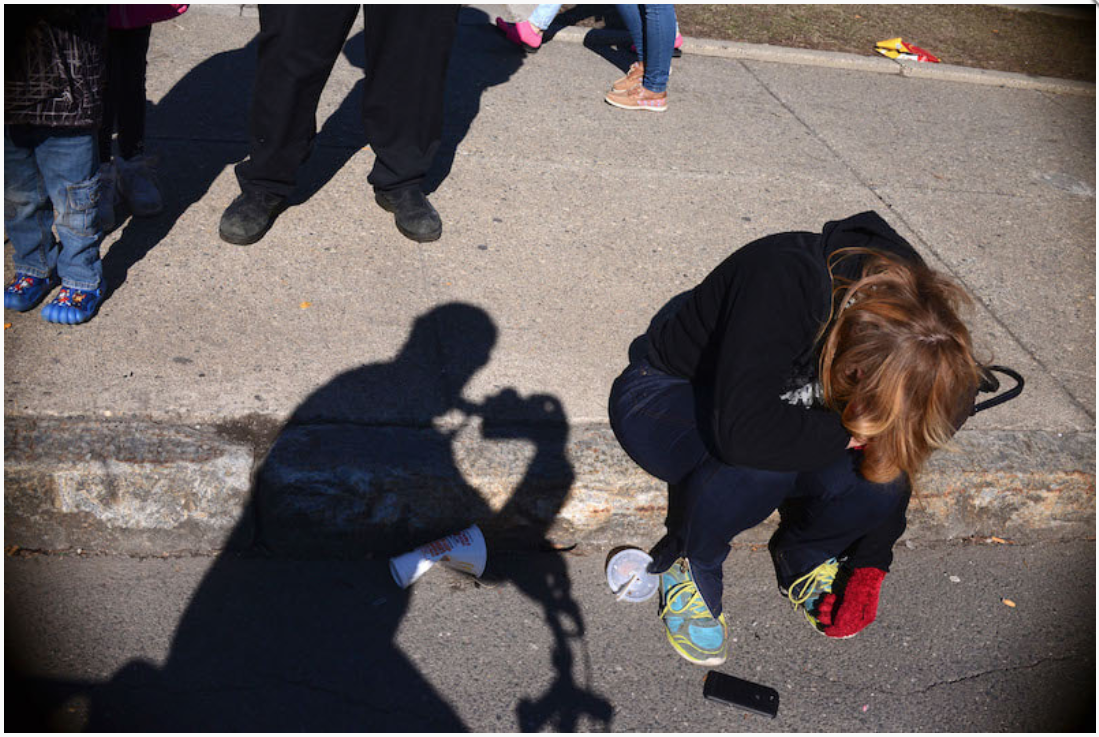 Photo by Robert Tobey.
Tobey makes his pictures from his bicycle in Holyoke and Greenfield, Massachusetts.
I made the below picture from a speeding car in the Republic of Georgia.
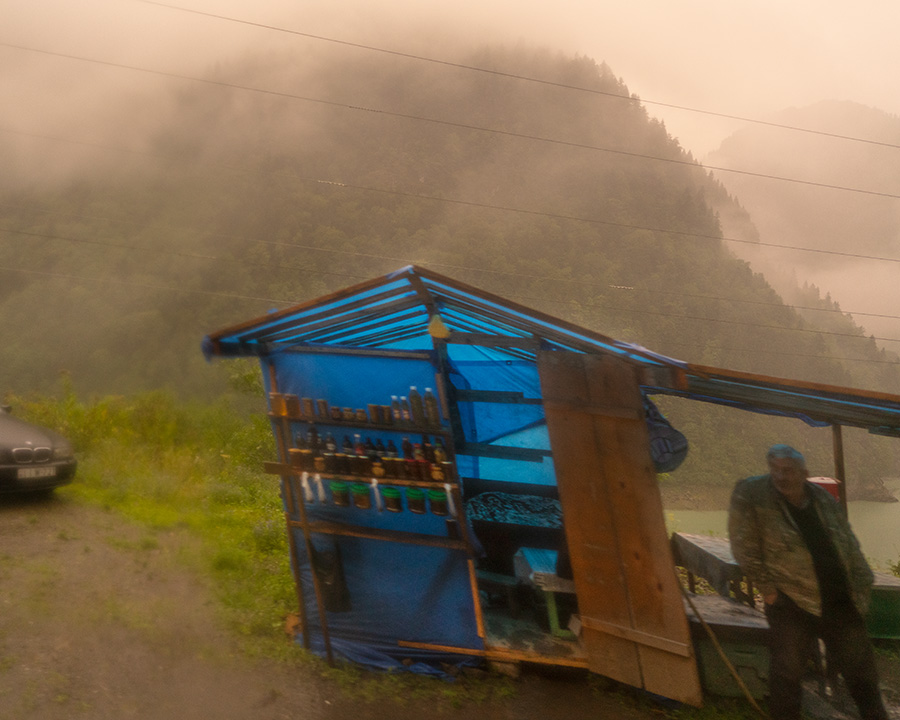
Below is a display case in Tbilisi, the capital of Georgia. These two pictures are not in the show.

I’ll post pictures from the show after the opening on Friday, Sept. 13th. I hope you get a chance to see the exhibit in person.
Egypt is the Mother of the World, Part II
All Photos by Frank Ward
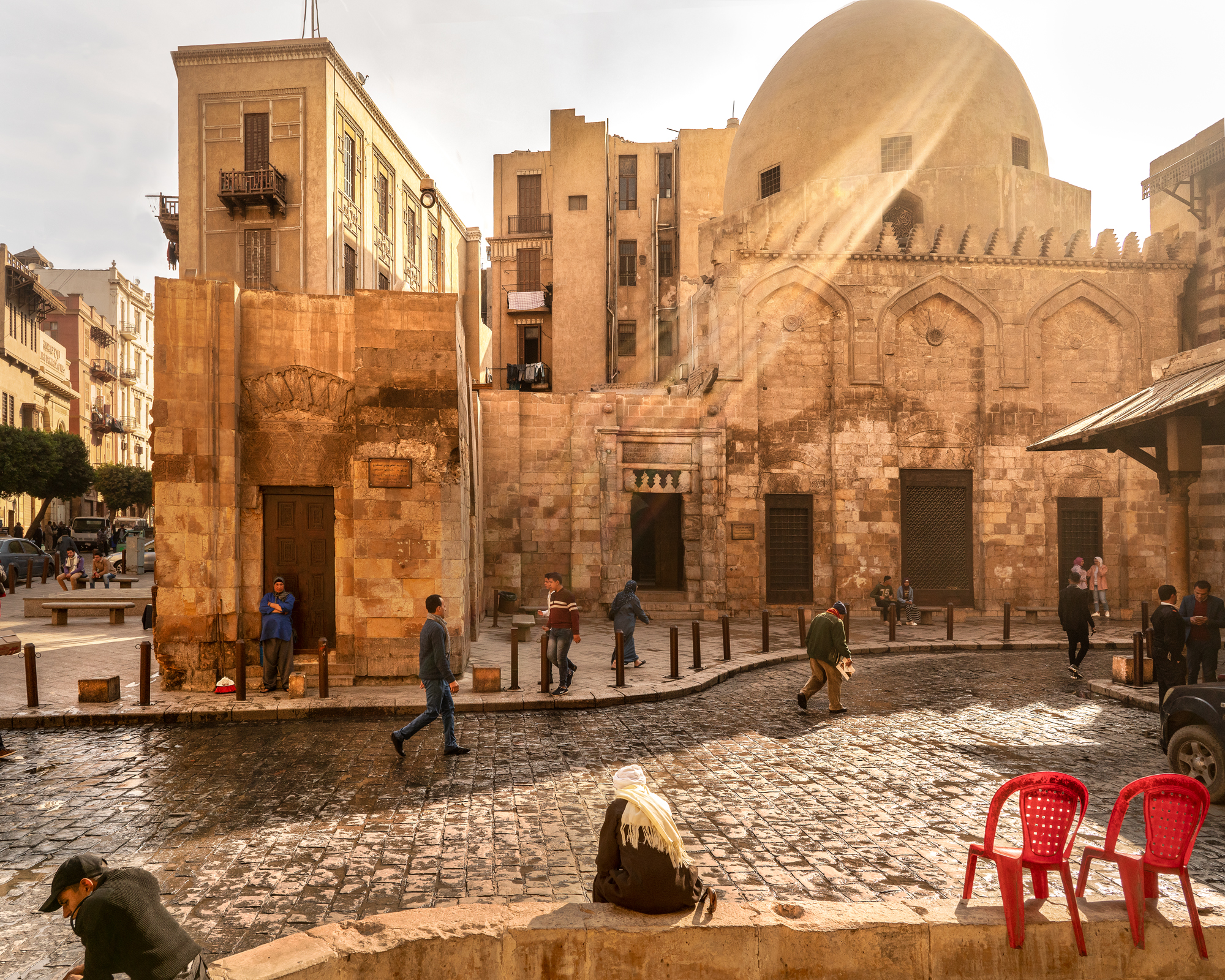
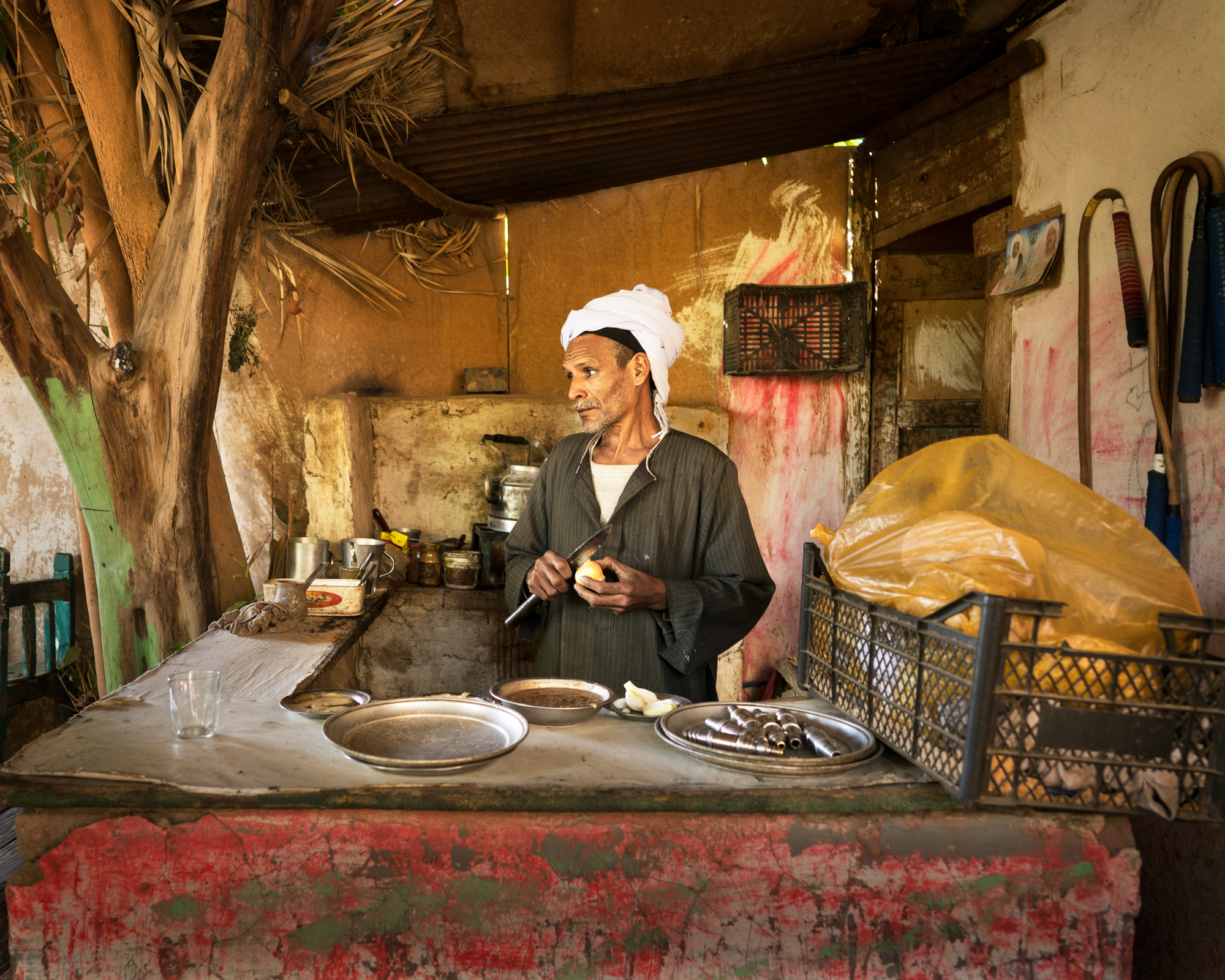

This table was newly painted when I first visited the all day, every day, dominoes game in 2018.
In 2019, I stood where a player was sitting to get this perpendicular view.
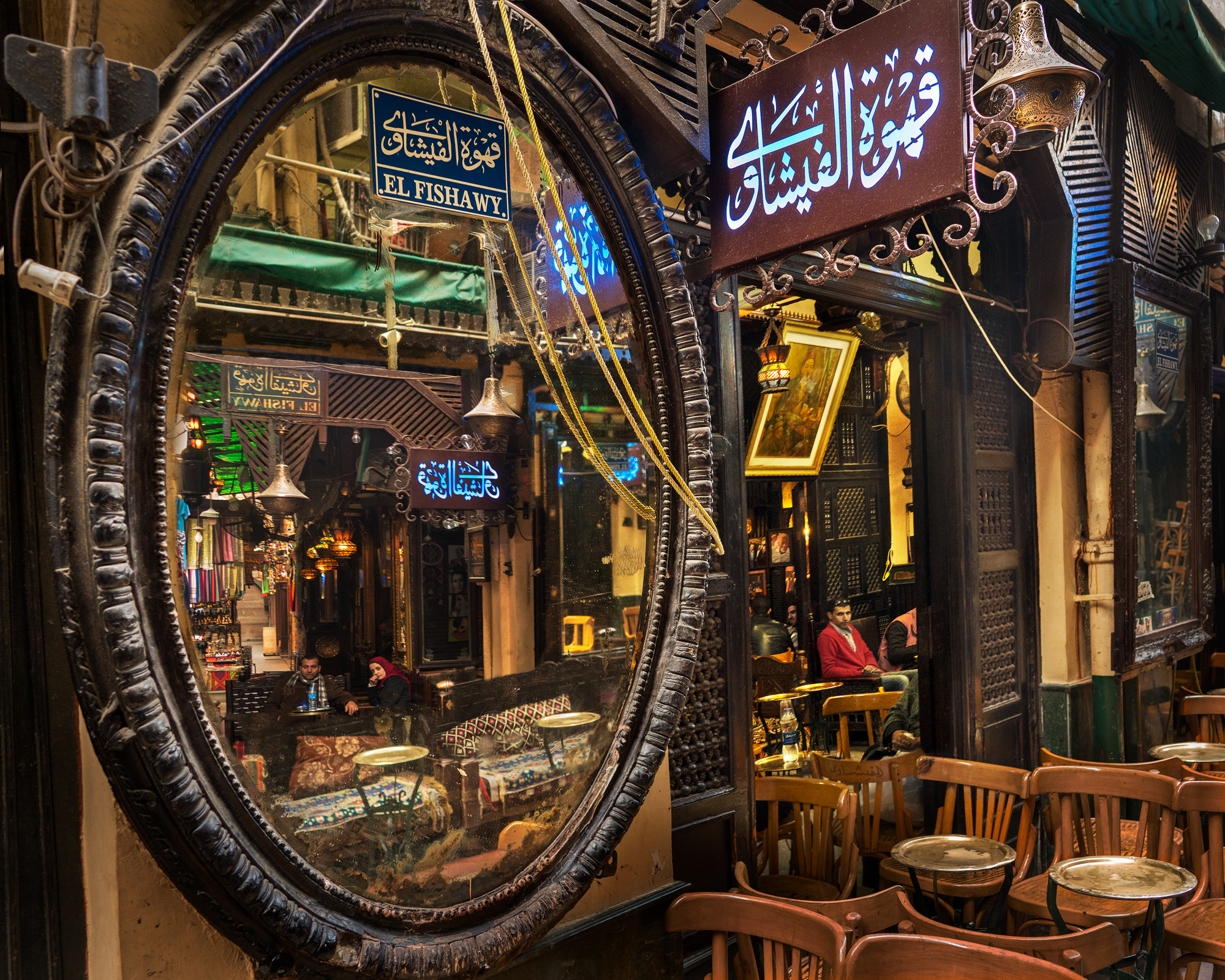
El Fishawy, where the 1988 Nobel Prize winning author Naguib Mahfouz
would sit and write, Cairo, 2018
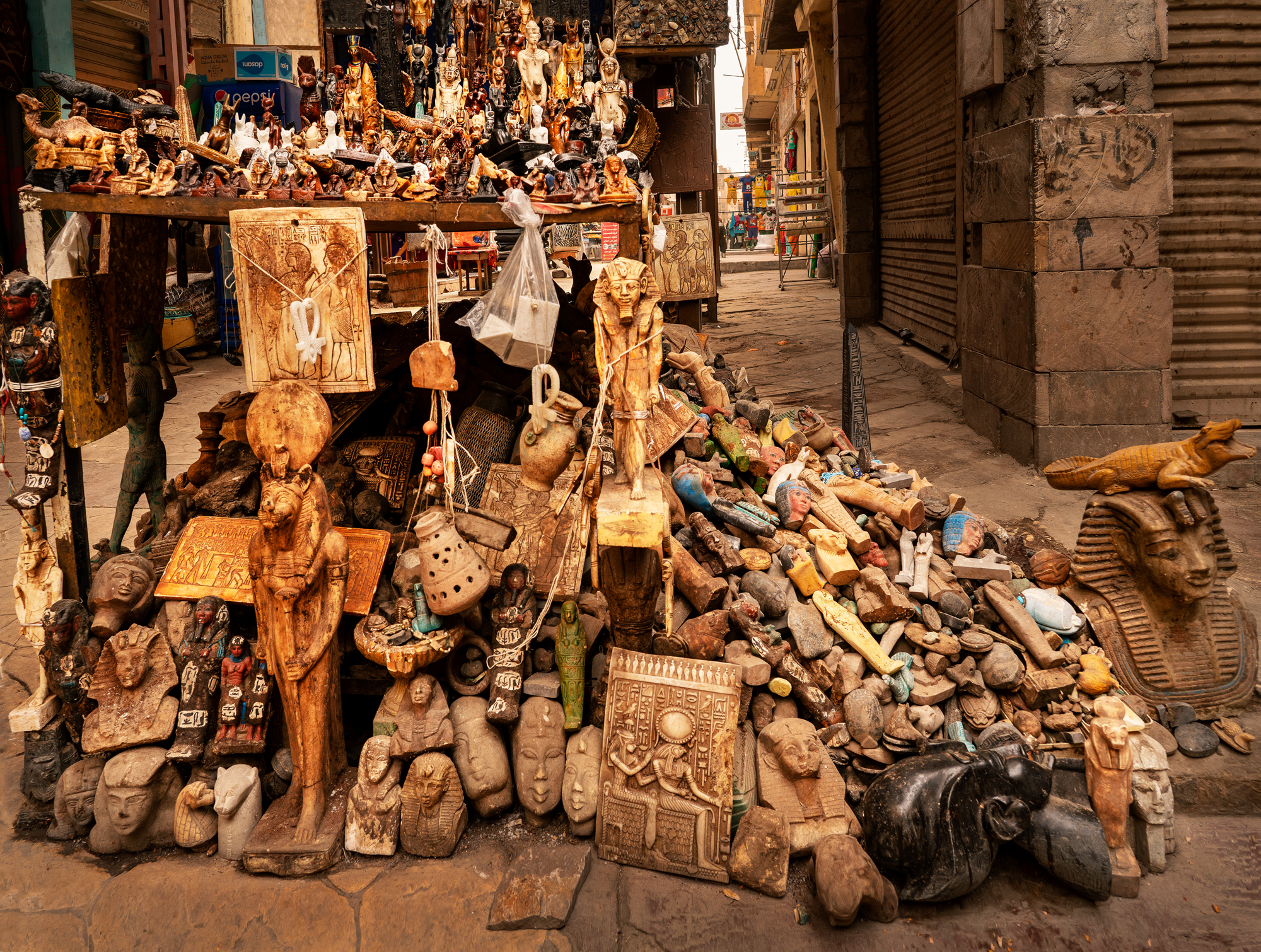
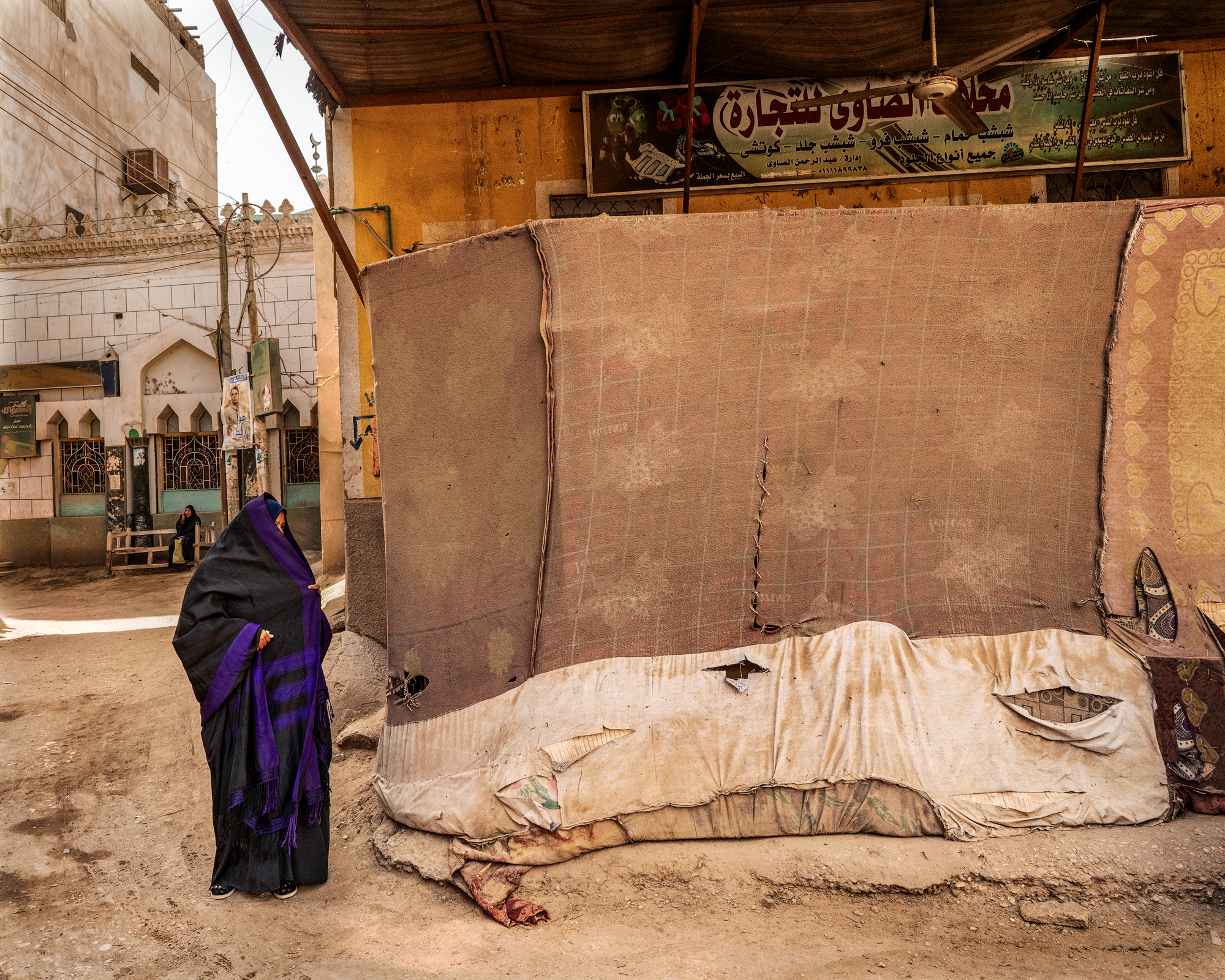
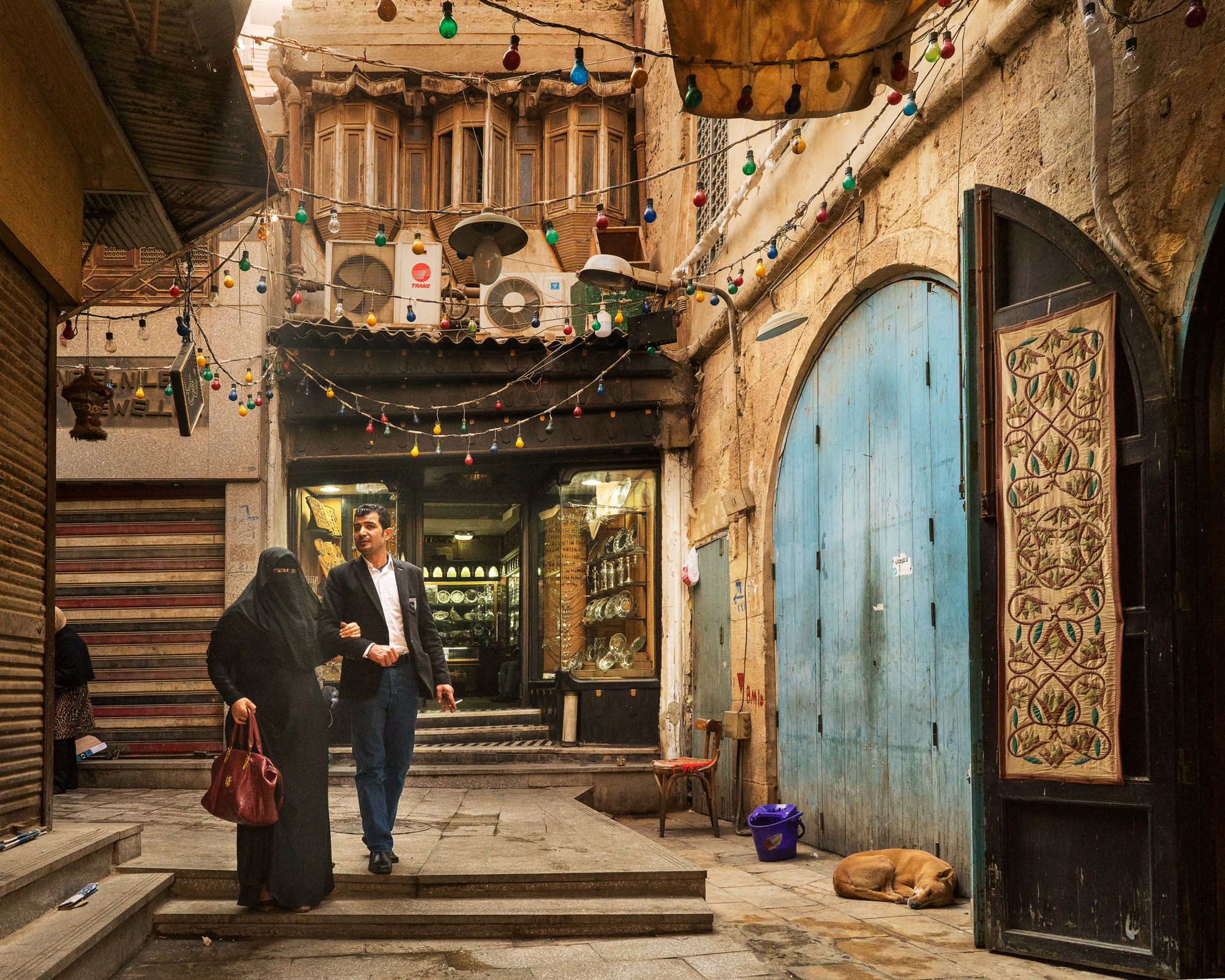

Take this opportunity to hear and see Ellen Feldman, John Sevigny and Frank Ward present their pictures in the Boston area.
Ellen Feldman’s work can be found here.
John Sevigny was kidnapped by a drug cartel in Mexico in January 2019. SDN is thankful that he made it out alive. See his work on SDN.
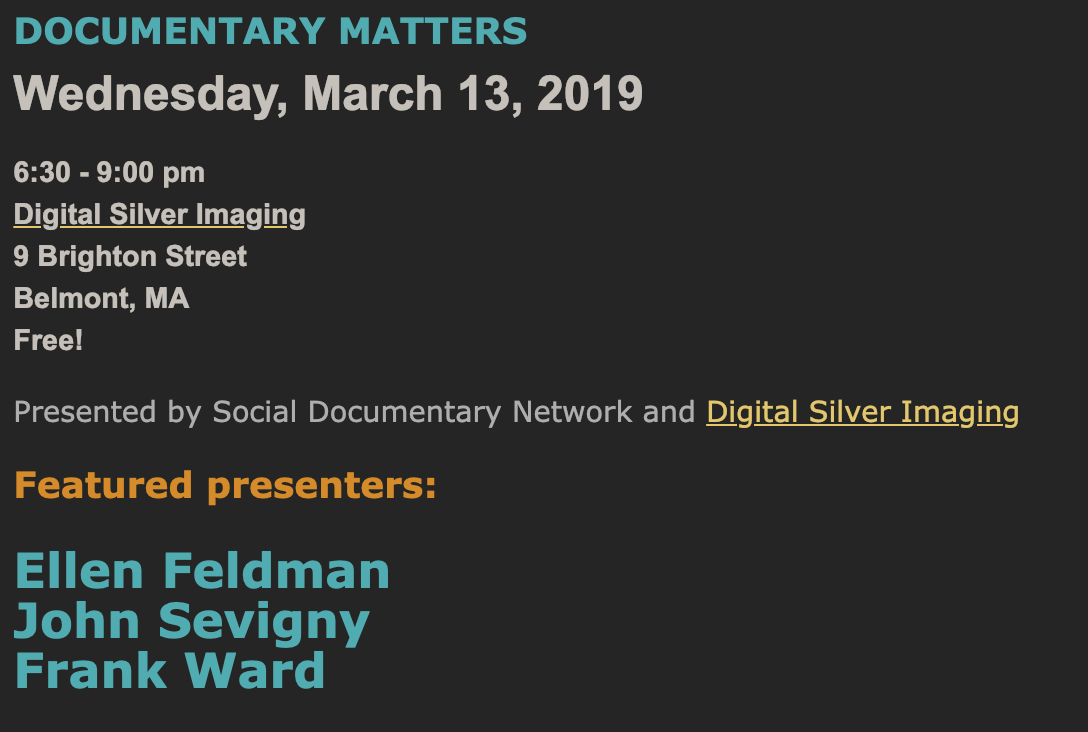
Click link below for more information:
Egypt is the Mother of the World
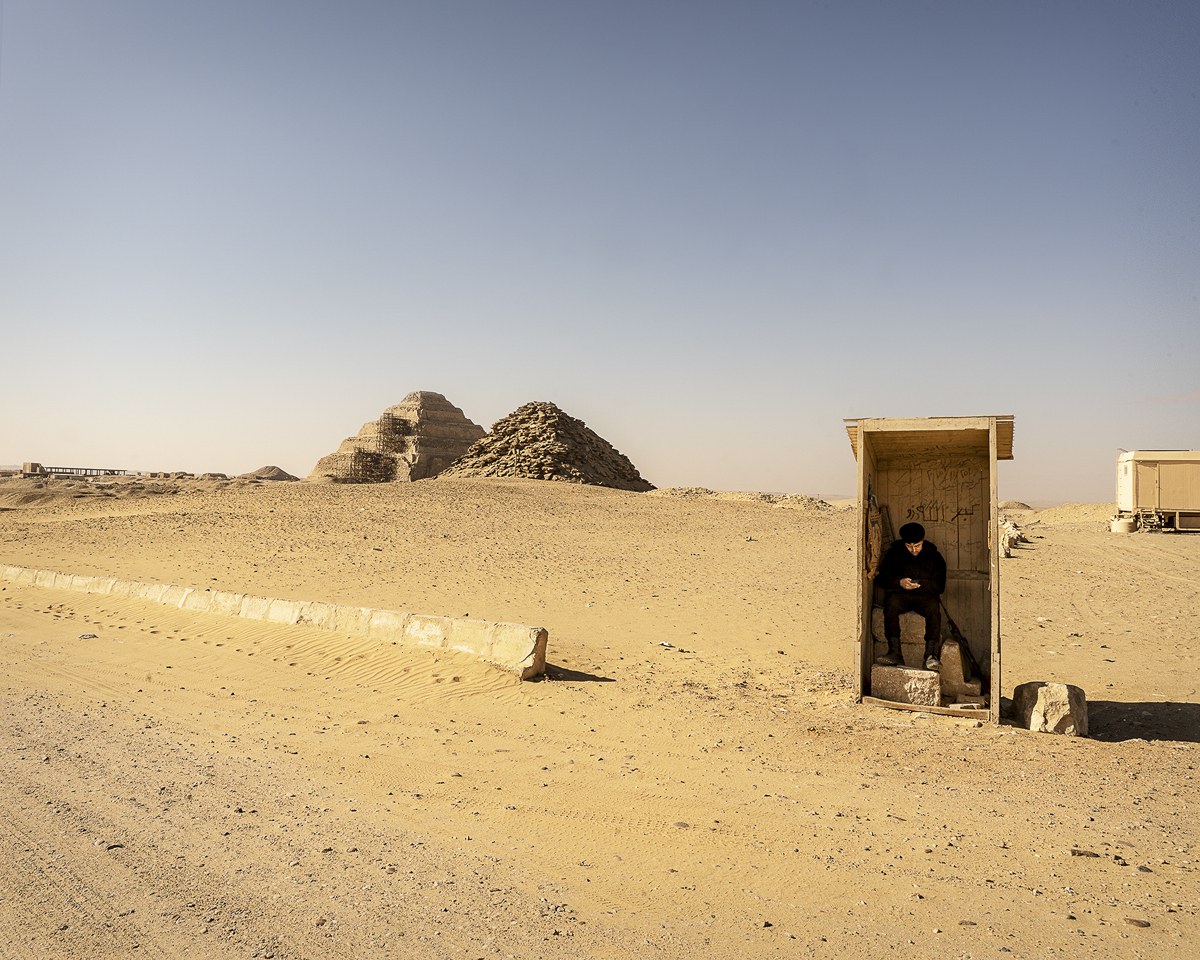
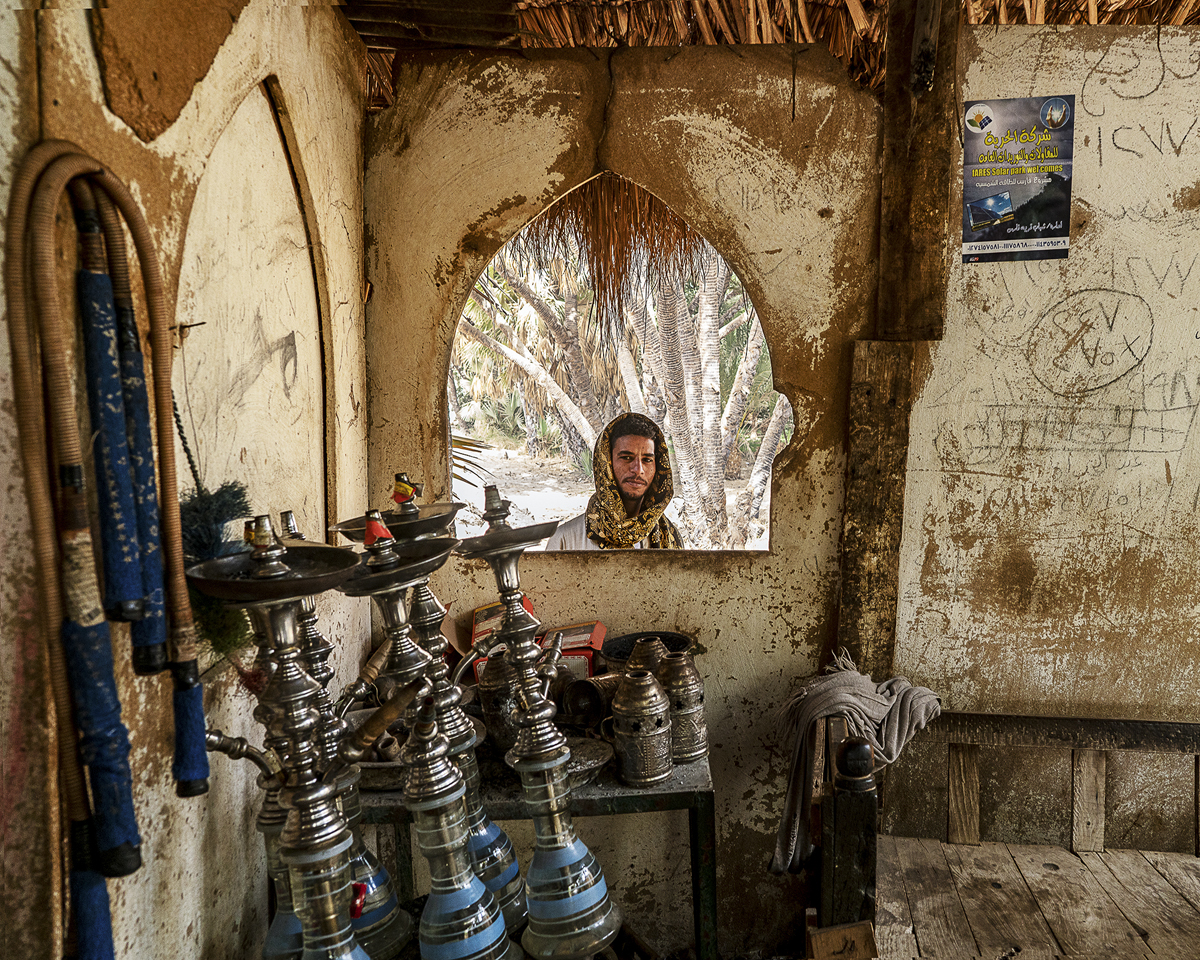
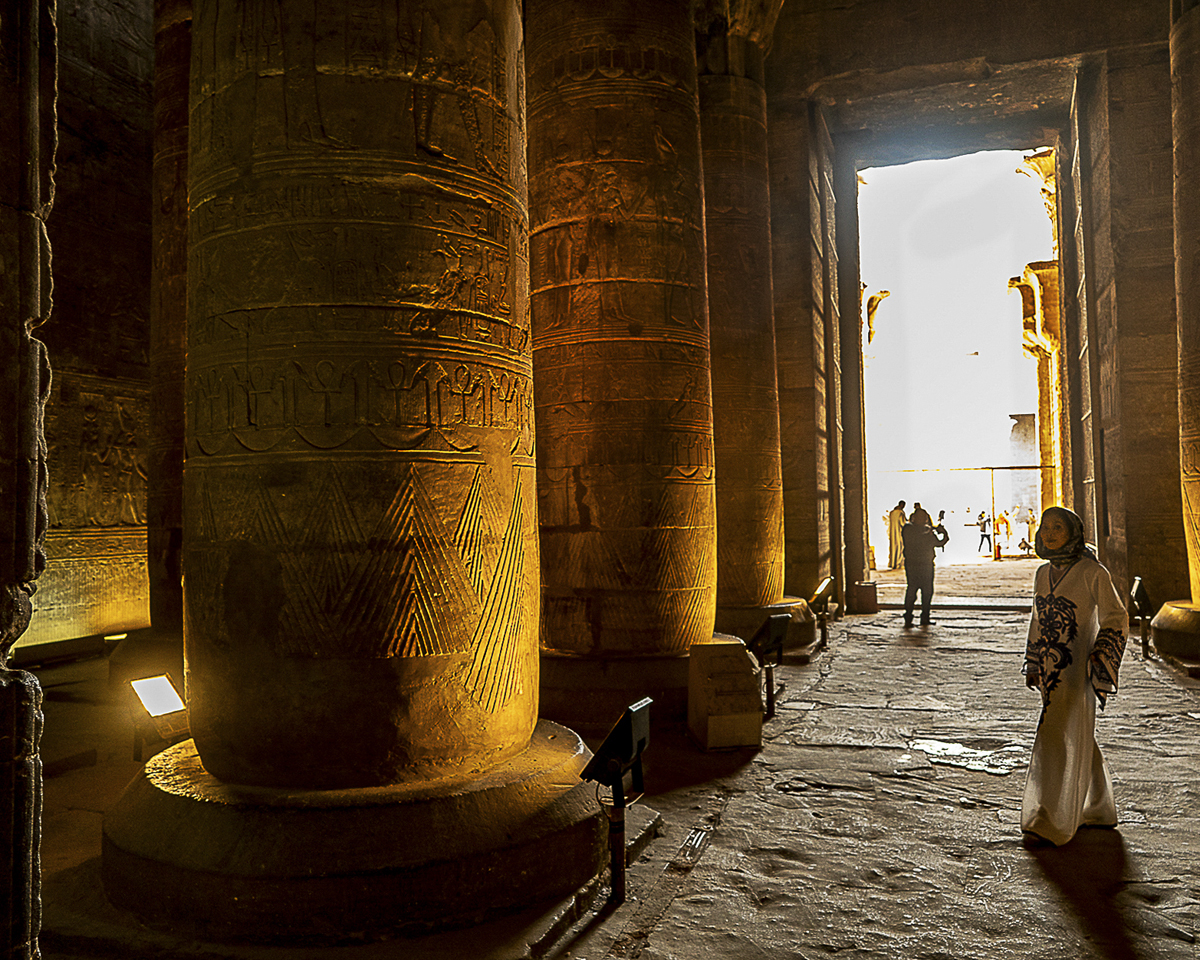
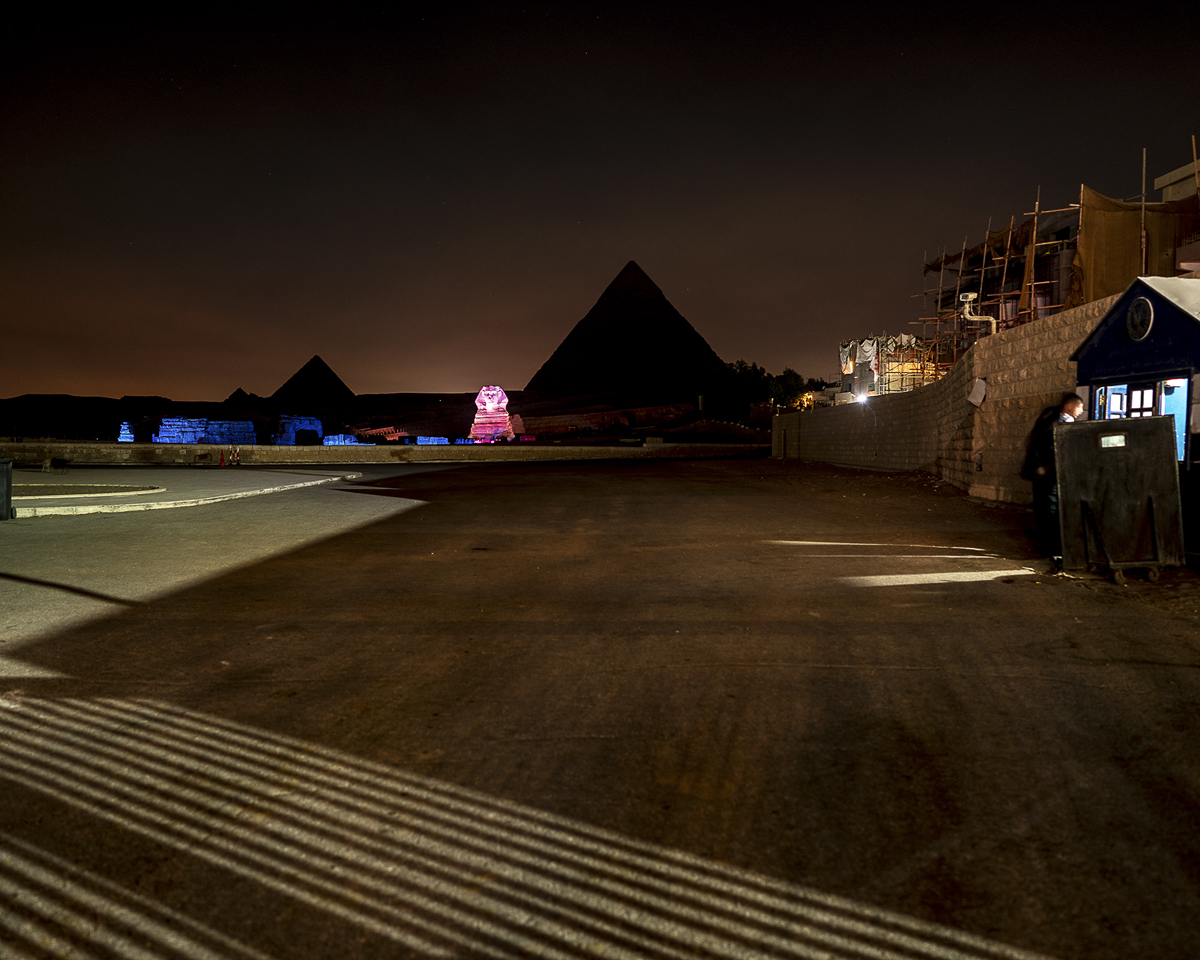
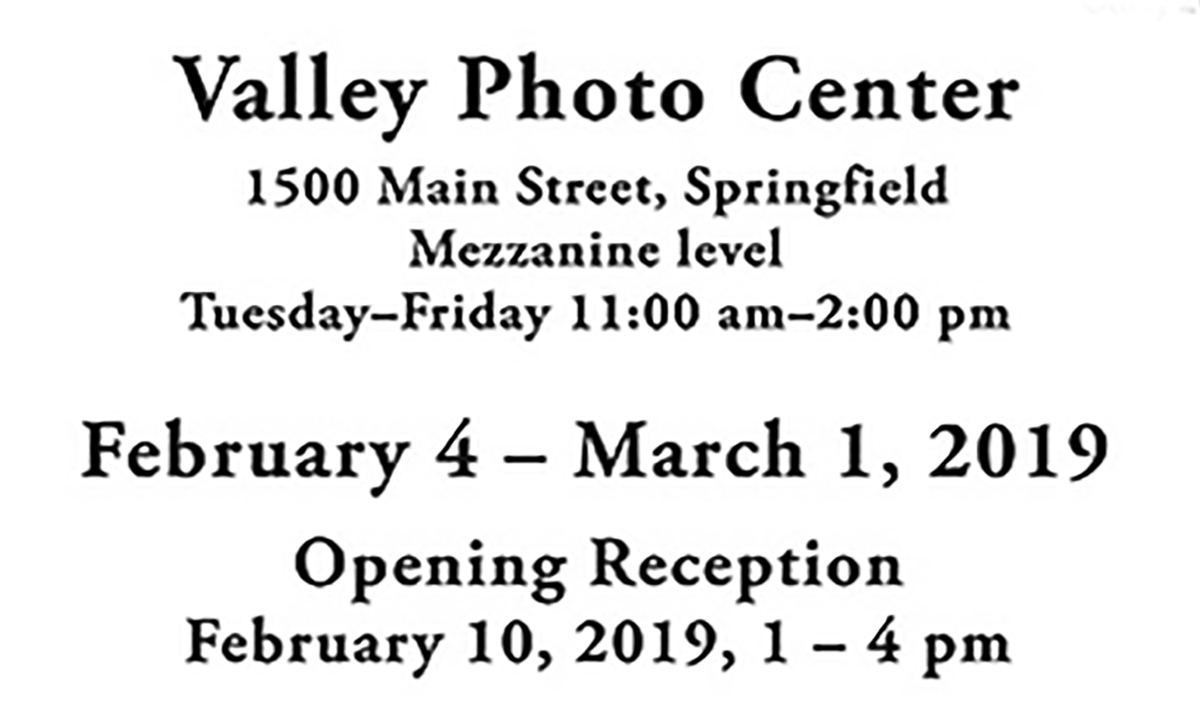
Vivian and I recently returned from a trip to Egypt. The results of our two consecutive January visits will be on display in Springfield, Massachusetts, USA beginning on Tuesday Feb. 4th. The photo show, Egypt is the Mother of the World, will have an opening reception at the Valley Photo Center on Sunday, Feb. 10th.
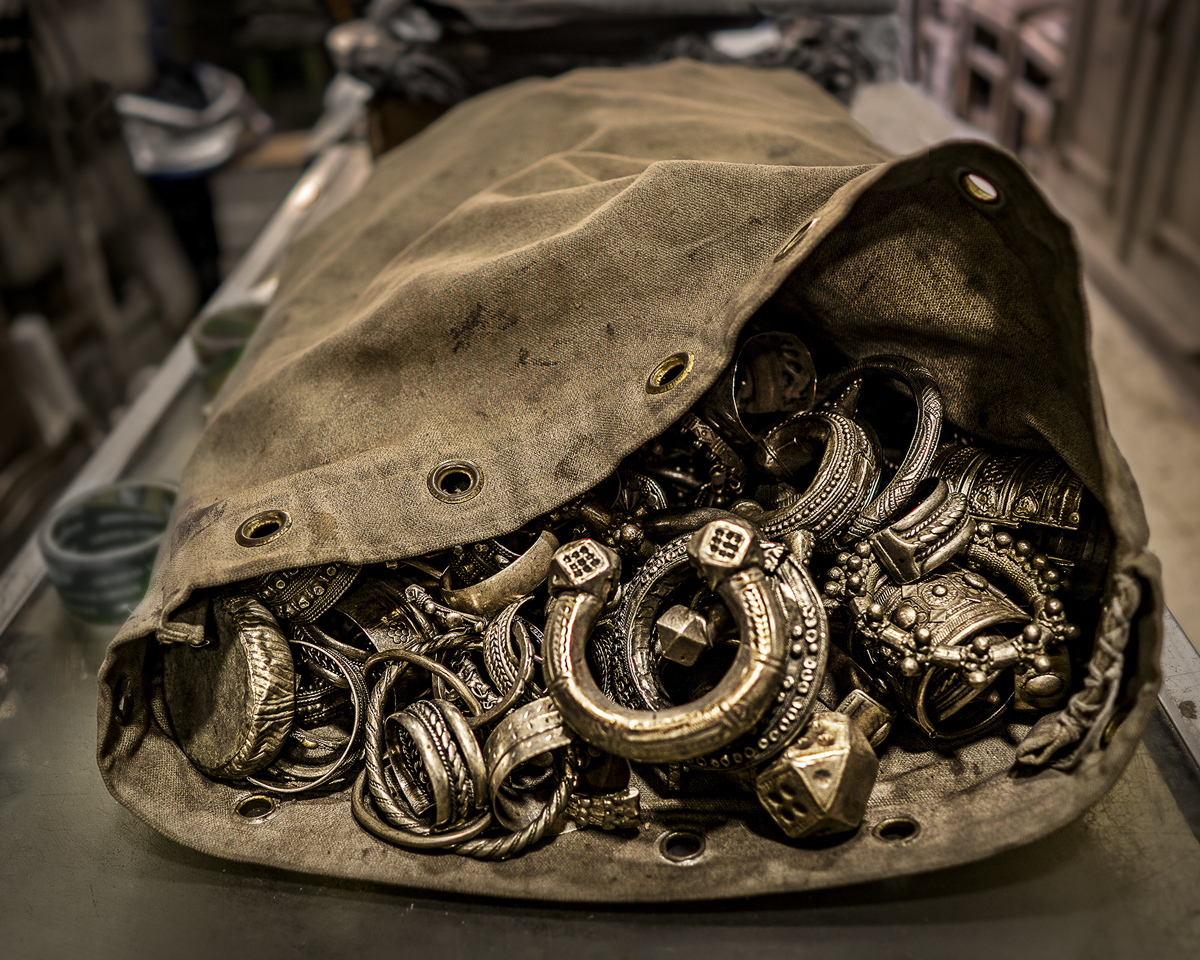
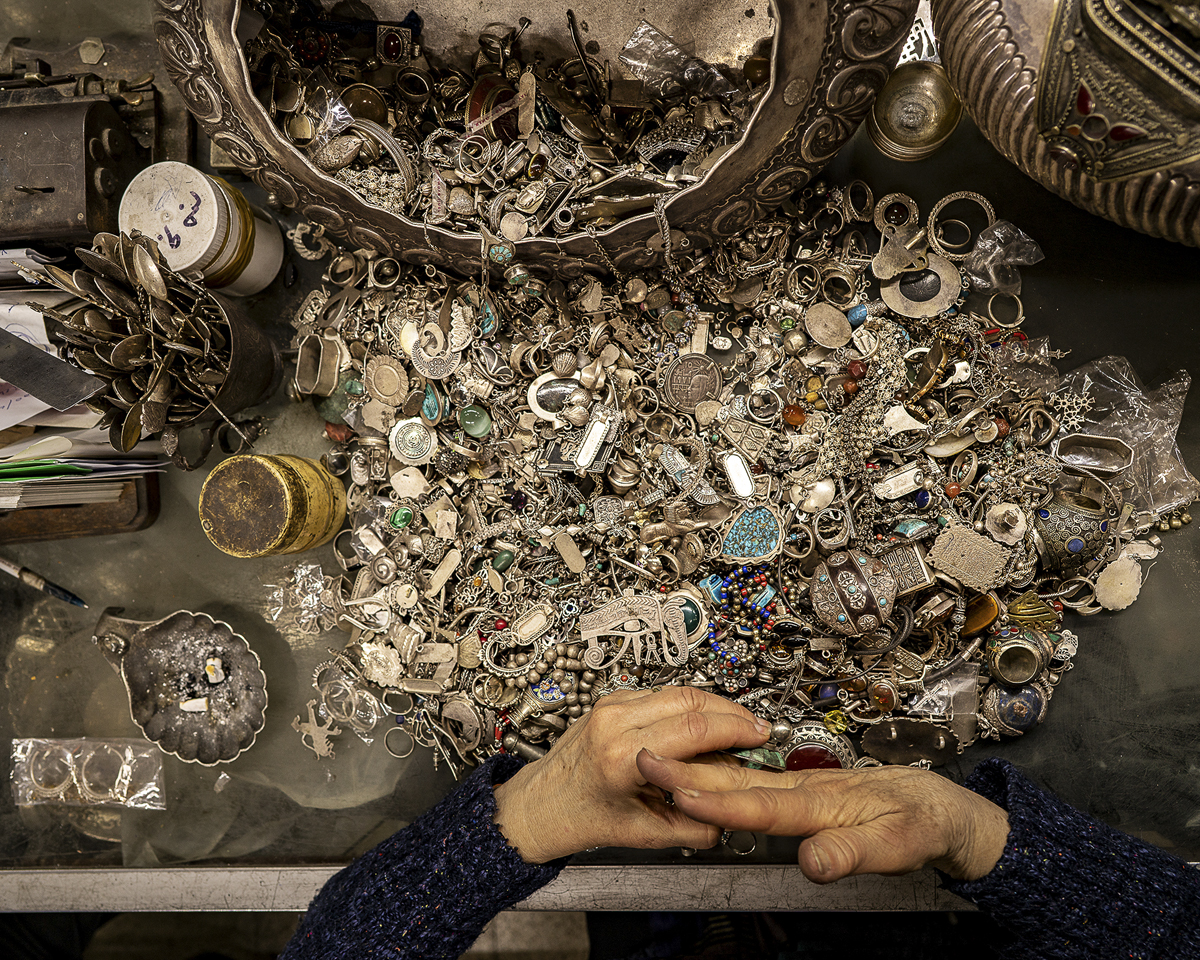
Those are Vivian’s hands trying on rings and things in the jewelry market.

We brought back pictures from 2018 for the owner of this shop in Aswan.
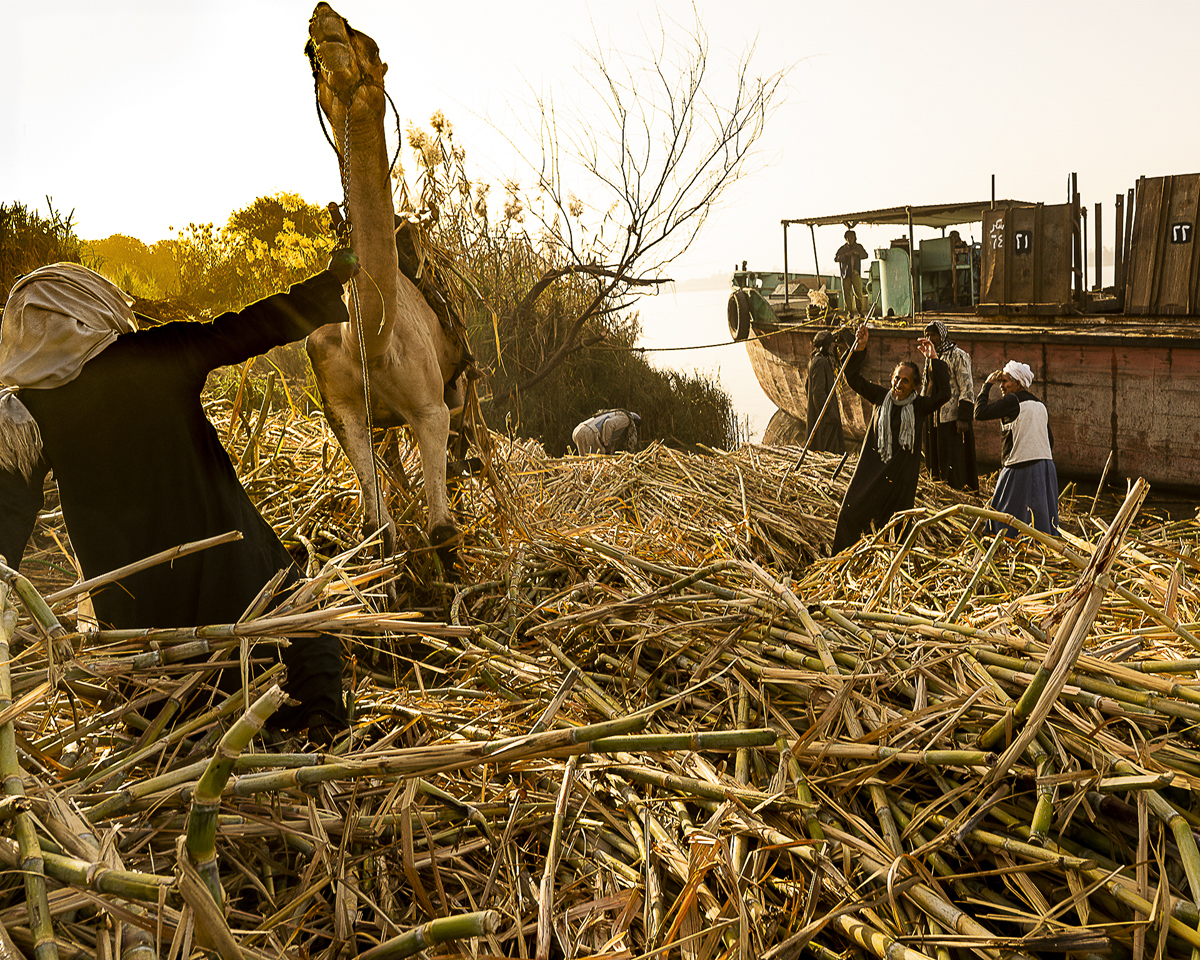
Egyptians really appreciate getting their pictures. We returned with photos for the farmers and workers loading sugar cane onto their Nile barge. I had photographed them almost the same week last January. The camel (below) was not a big fan of me getting so close.
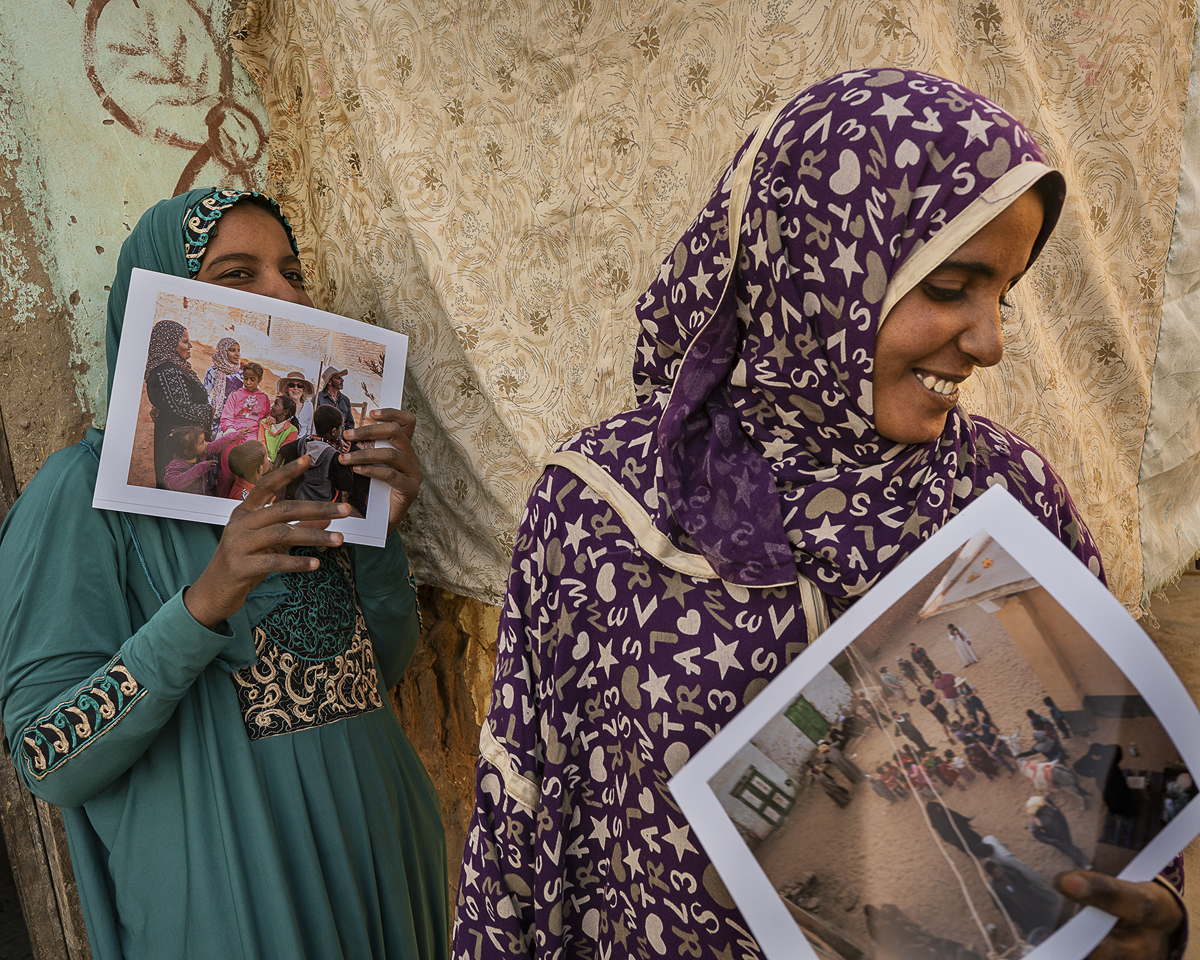
You can see Vivian in the picture on the left. She had to put her straw hat on to show that it was her.
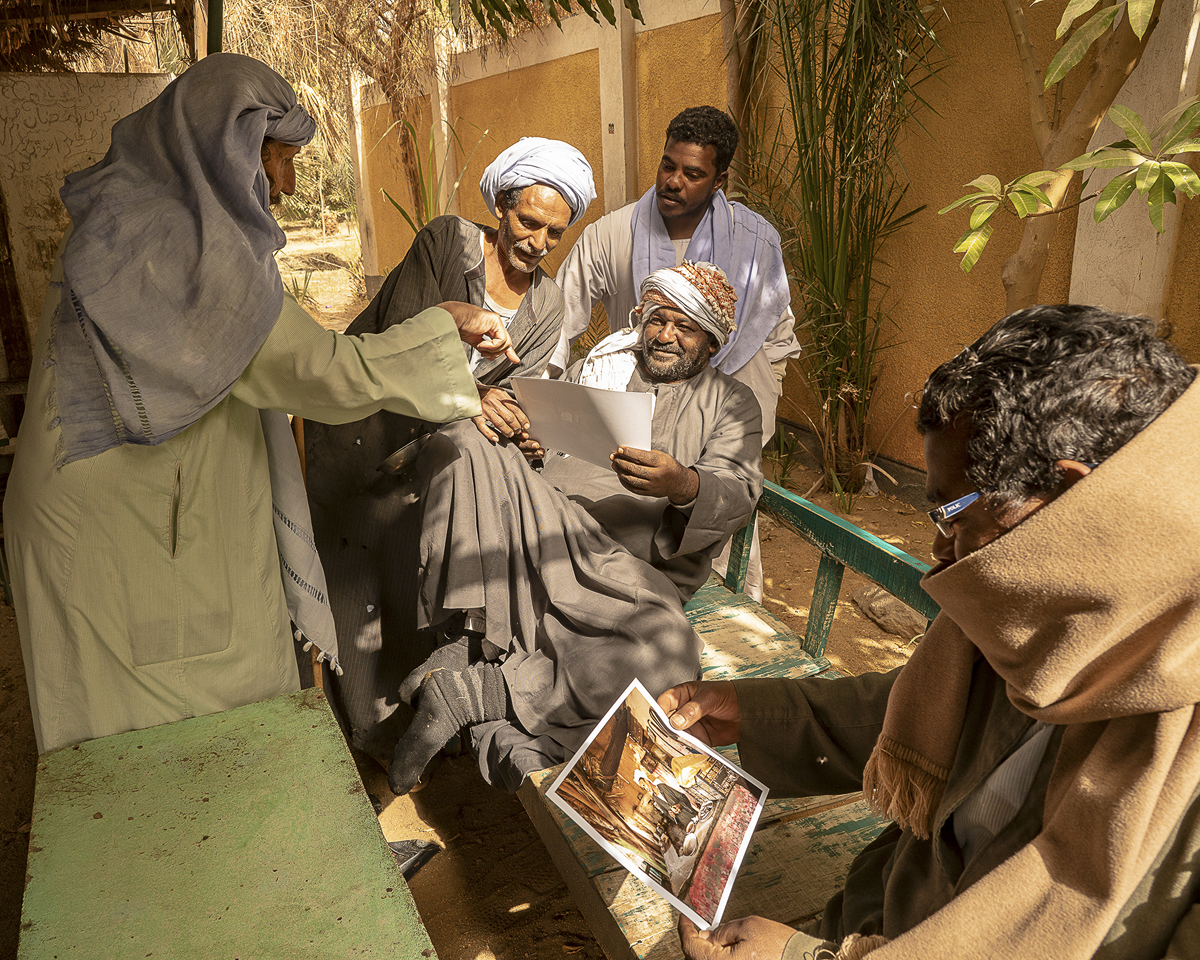
These guys got a good laugh looking at their pictures from last year.
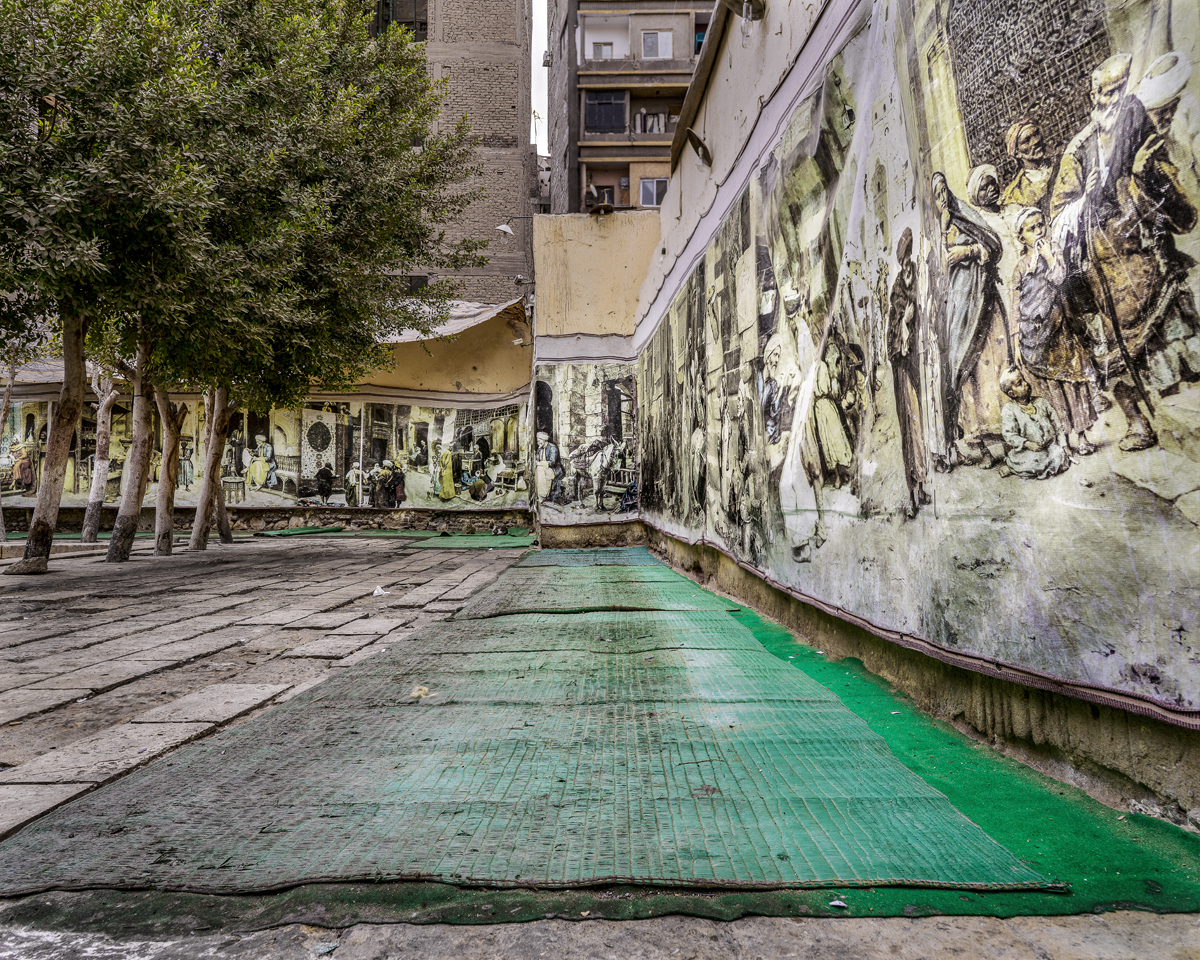
We did not get a chance to find this wonderful outdoor cafe again. It is the only photo of this group that is exhibited in the upcoming VPC show.

If you want to see more Egyptography from 2018 and 2019, please try to visit:
Scroll down past the Drunken Bicycle post to see 2 more Egypt posts from last year. Thanks for looking.
Return of the Drunken Bicycle
Green Moskvich (almost as good as a Lada) in Odessa, Ukraine, All photos 2018, ©Frank Ward
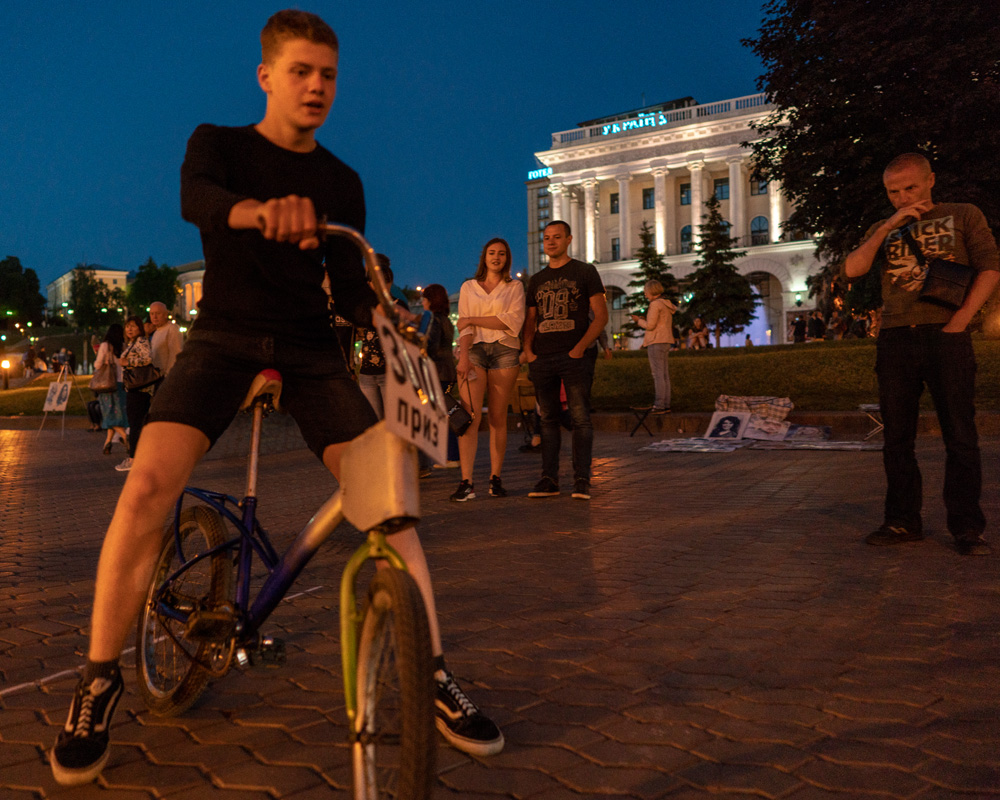
In June, I had my first visit to the former Soviet Union since 2015. It was a joy to return to the land of the Drunken Bicycle (pictured above in Kiev, Ukraine), and wonderful to revisit Ukraine where my Drunken Bicycle photo project began in 2001. The drunken bicycle is my name for a bicycle geared to turn the front wheel in the opposite direction from the direction the driver turns the handlebars. It is confusing by design. For a small fee bystanders are offered a big award to navigate the bicycle for a short distance. See more about the bicycle and my show on the bottom of this page.
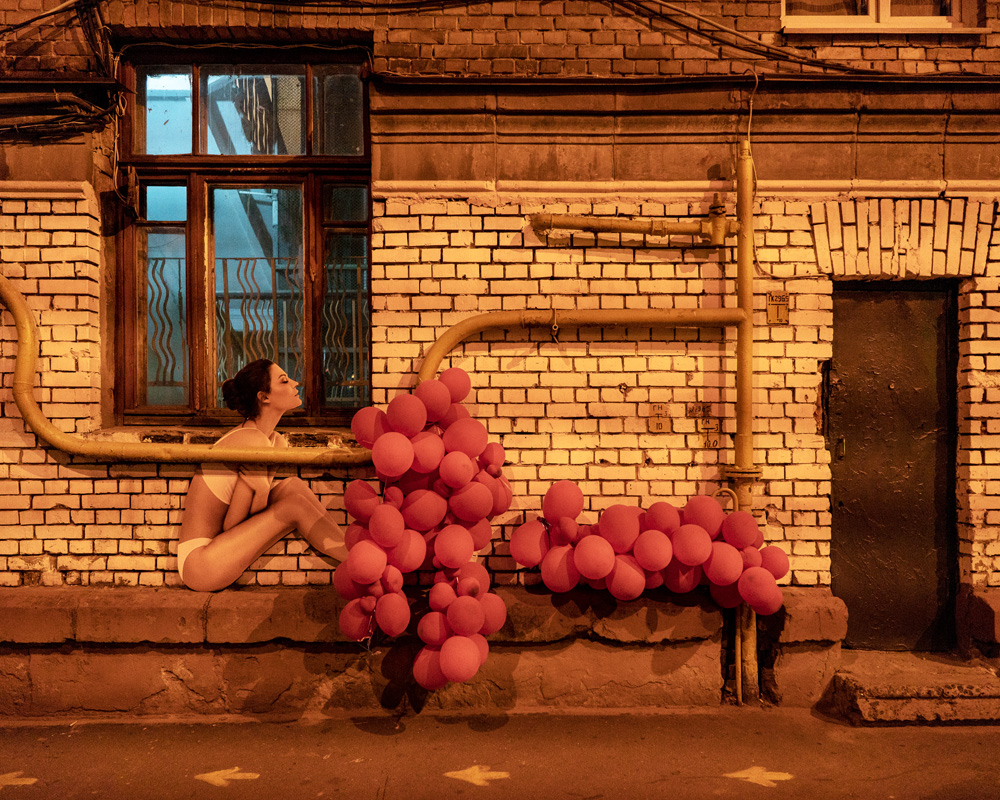
Back Alley, Kiev, Ukraine.
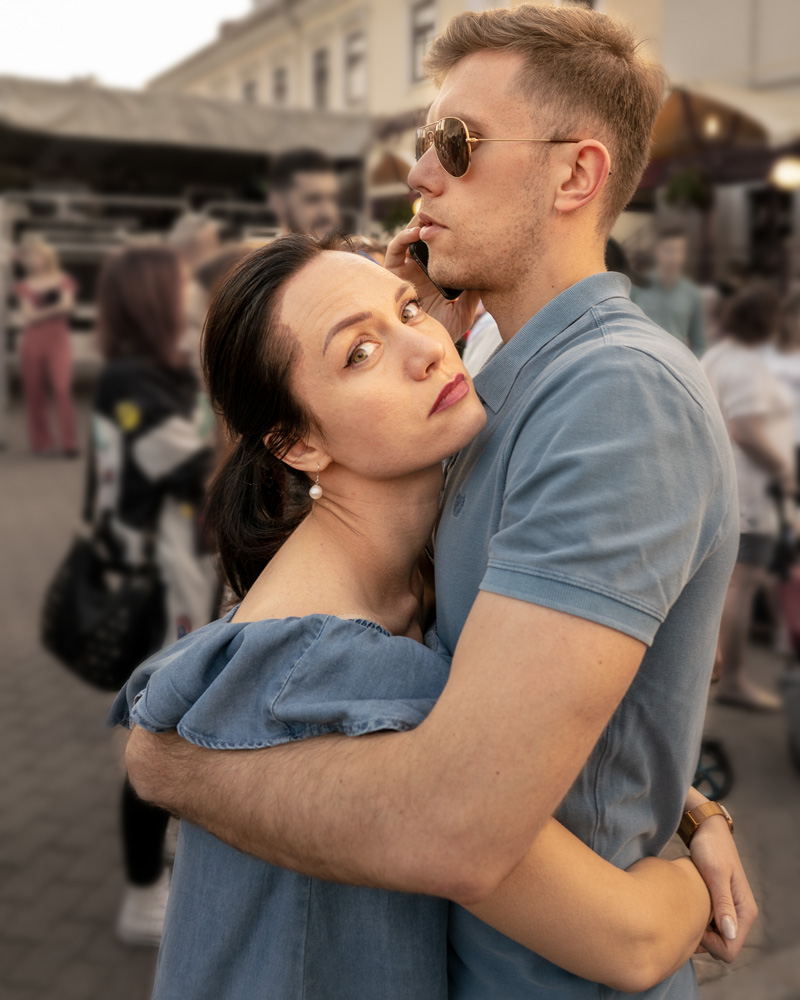
On a Walking Street in Brest, Belarus.
Belarus is a country known for its adherence to Soviet era values and culture. Like Ukraine, it is changing fast. Above, the joy of young lovers is interrupted by a call on the smartphone, and the distraction by this uninvited photographer sticking his wide angle lens in their faces.

Applying Lipstick, Odessa, Ukraine.
I was so happy to see this woman not talking on a smartphone. I seem unable to make a picture on the street without photographing a cellphone interaction. Look in the background of the bicycle picture and you see 2 people on their phones. The woman in pink on the left of the couple above is also operating a phone.
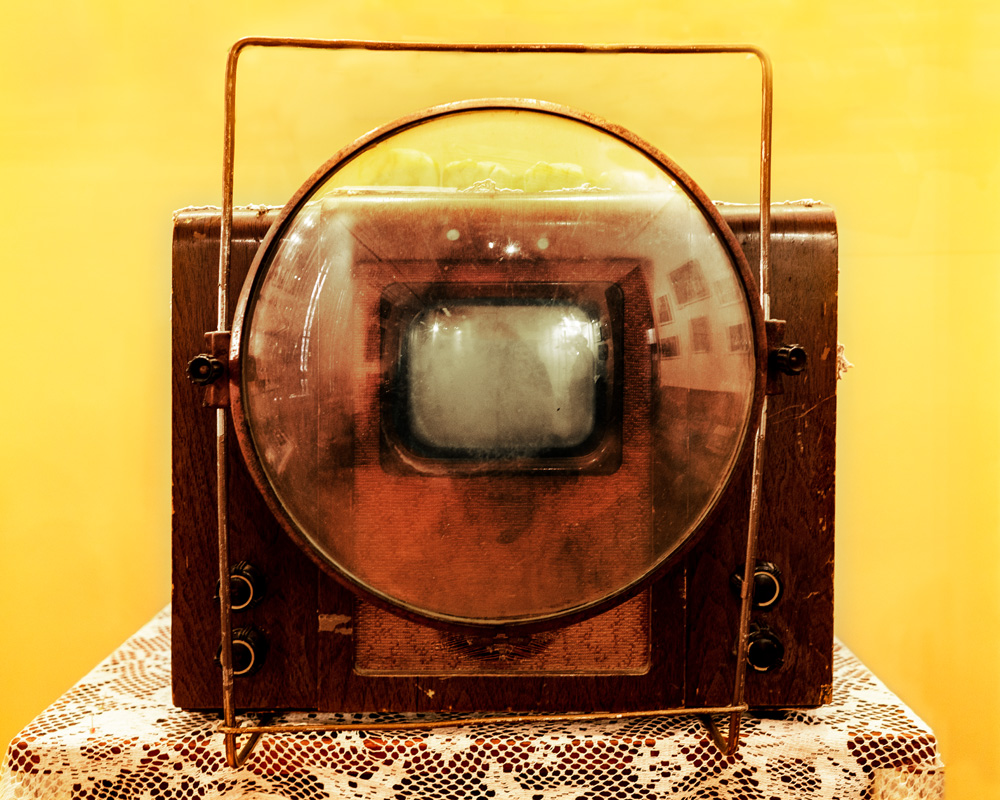
Soviet Television from 1952, Odessa, Ukraine.
I shouldn’t complain about advancing technology as it allows us all to wander the streets with handheld cameras. I wish I photographed more people on the streets in the 1980s with their boom boxes. I was a wannabe teenager in the early 60s with a transistor radio bigger than an iPhone Plus in my ear, with a single earplug.
The above TV stimulated memories of my family’s first television with its 8 inch black and white screen isolated within a huge standing console. I won’t complain about smartphones, just my pictures of smartphones. I embrace the fact that I live in the age of communications technology. Bring on the EyeCamera.

There are still a few days left to participate in the SocialDocumentaty.net Call for Entries. The deadline is July 13th. I am on the SDN Advisory Board and will see if I can get that deadline extended a bit. If you don’t have a portfolio, but you have an interest, visit this link to join SDN at no charge.
Egyptography II
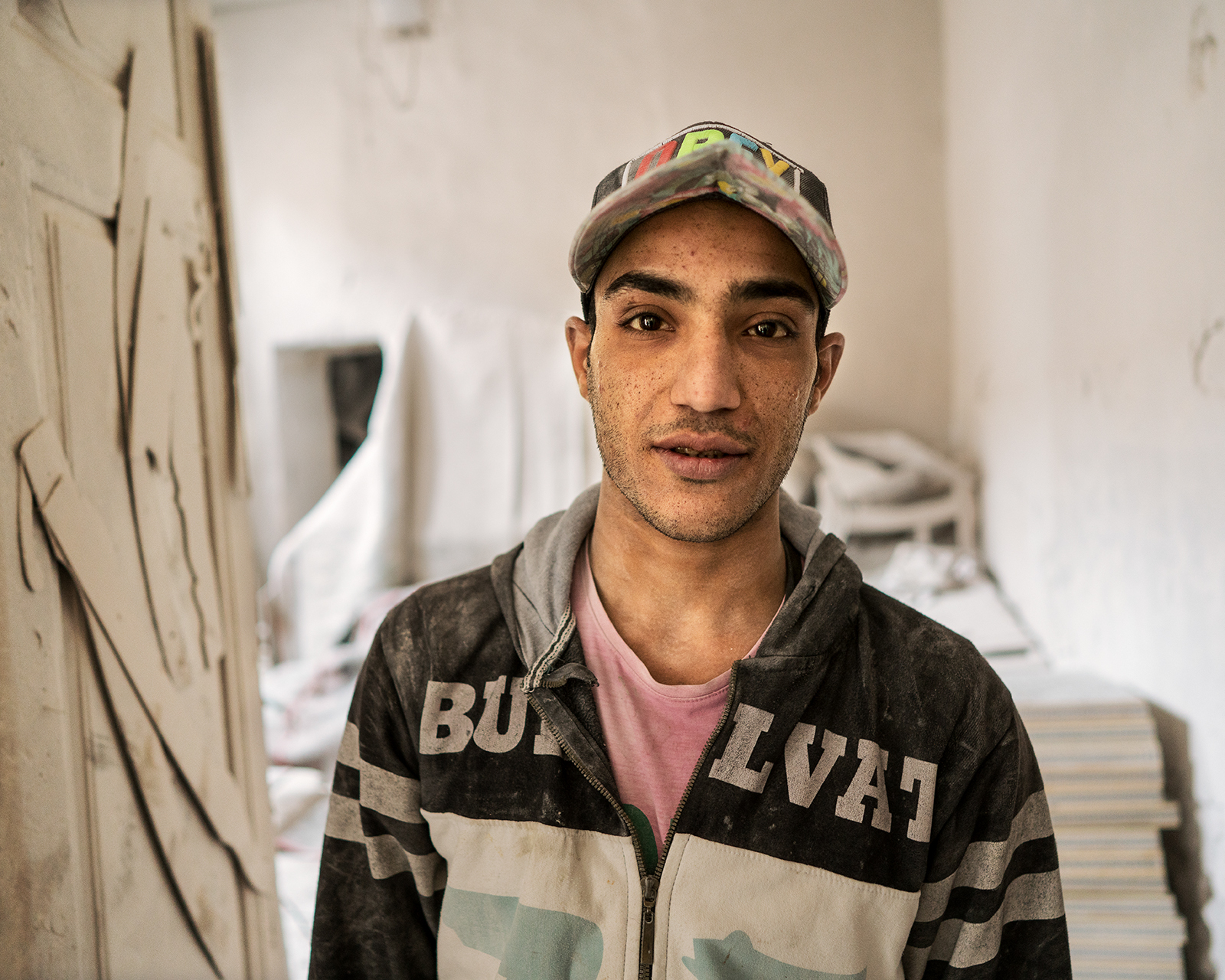
All photographs 2018 ©Frank Ward.
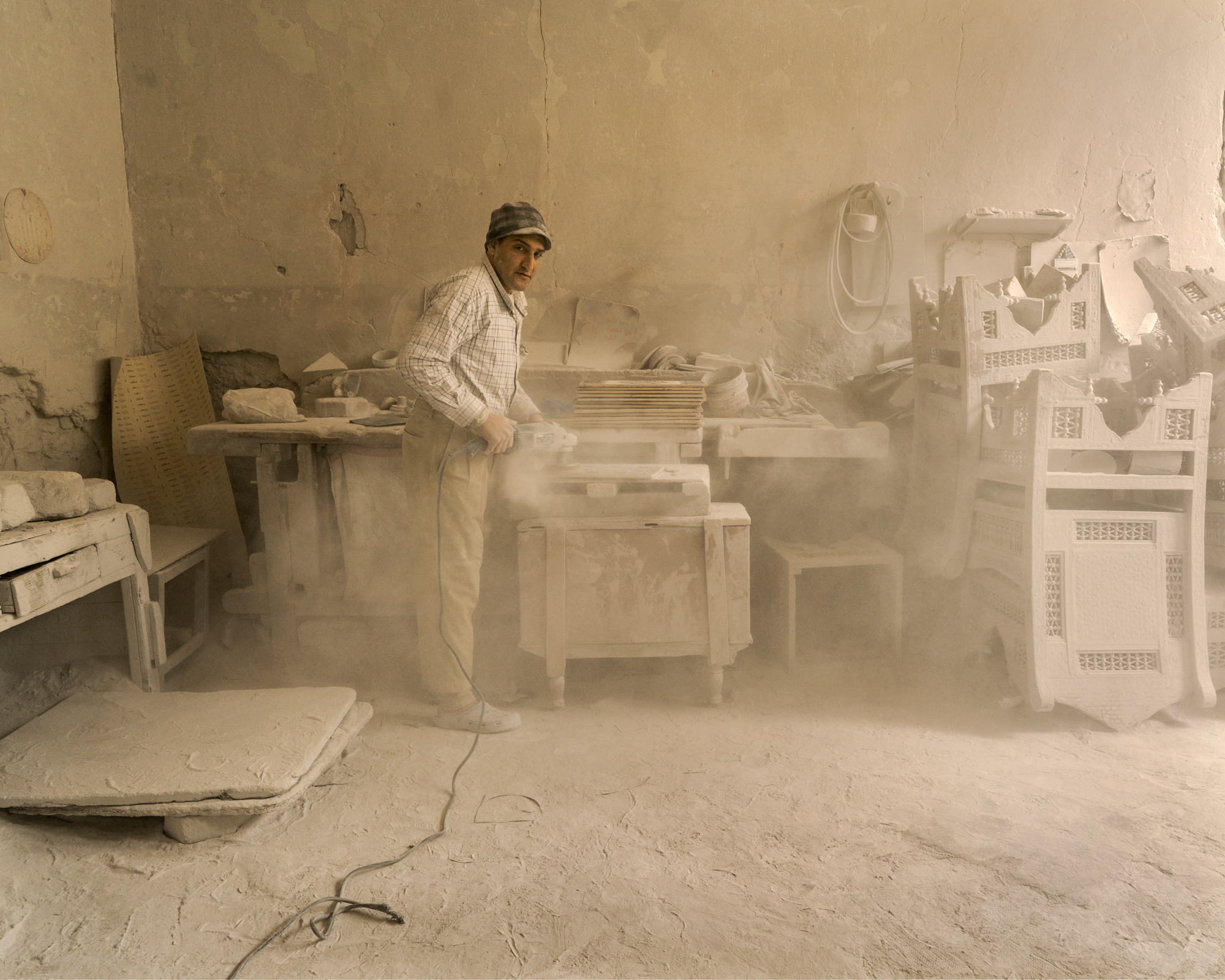
We found these 2 carpenters in a Cairo mother of pearl workshop. Actually, they found us. The first gentleman came calling after us as we passed his very dusty alleyway adjacent to the dusty alleyway we were already enjoying.
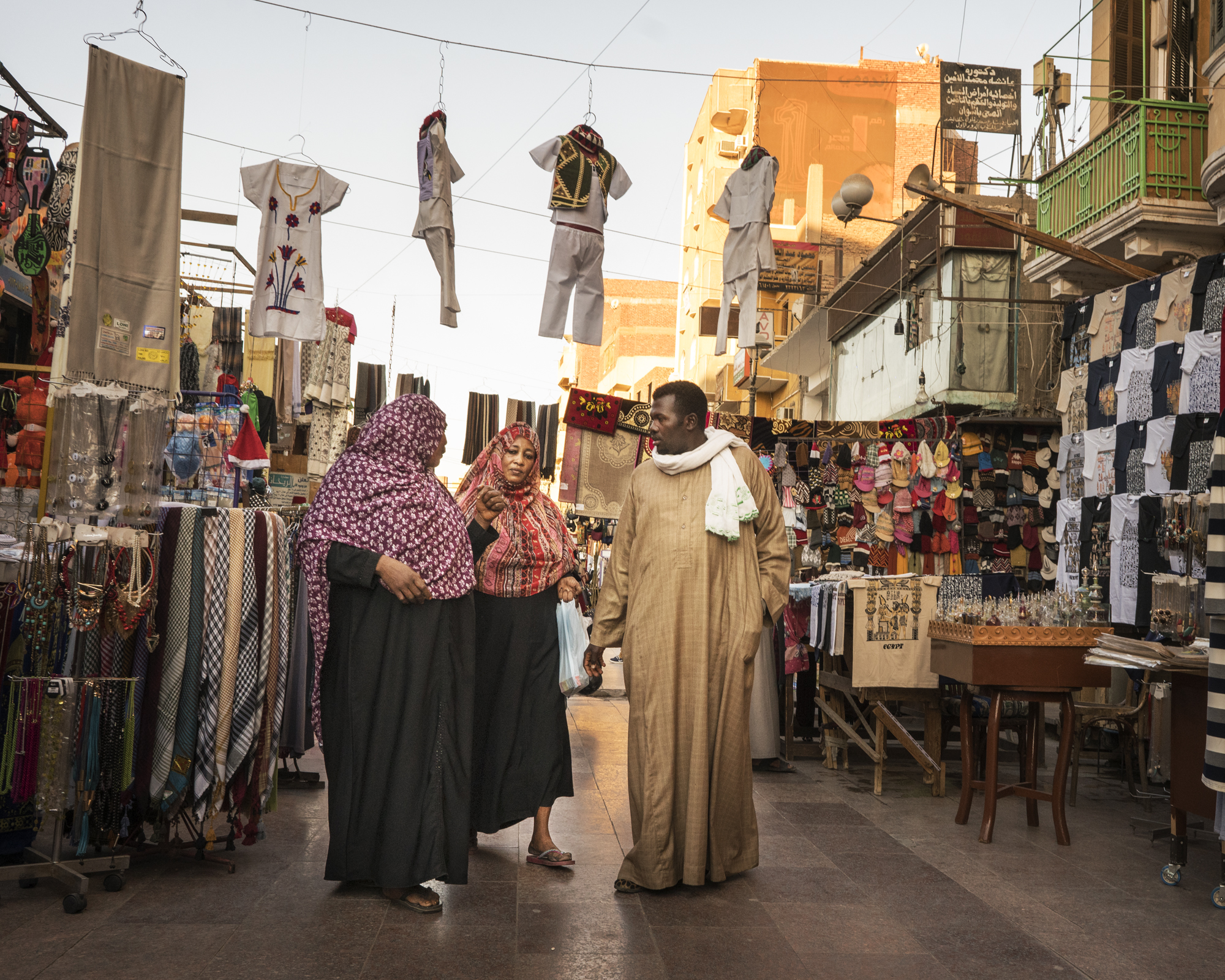
What a great country Egypt is. In every village, town and city, engaging alleyways lead to more alleyways and most alleyways eventually connect to market streets. Above is a market in Aswan and below is a shop in Cairo.
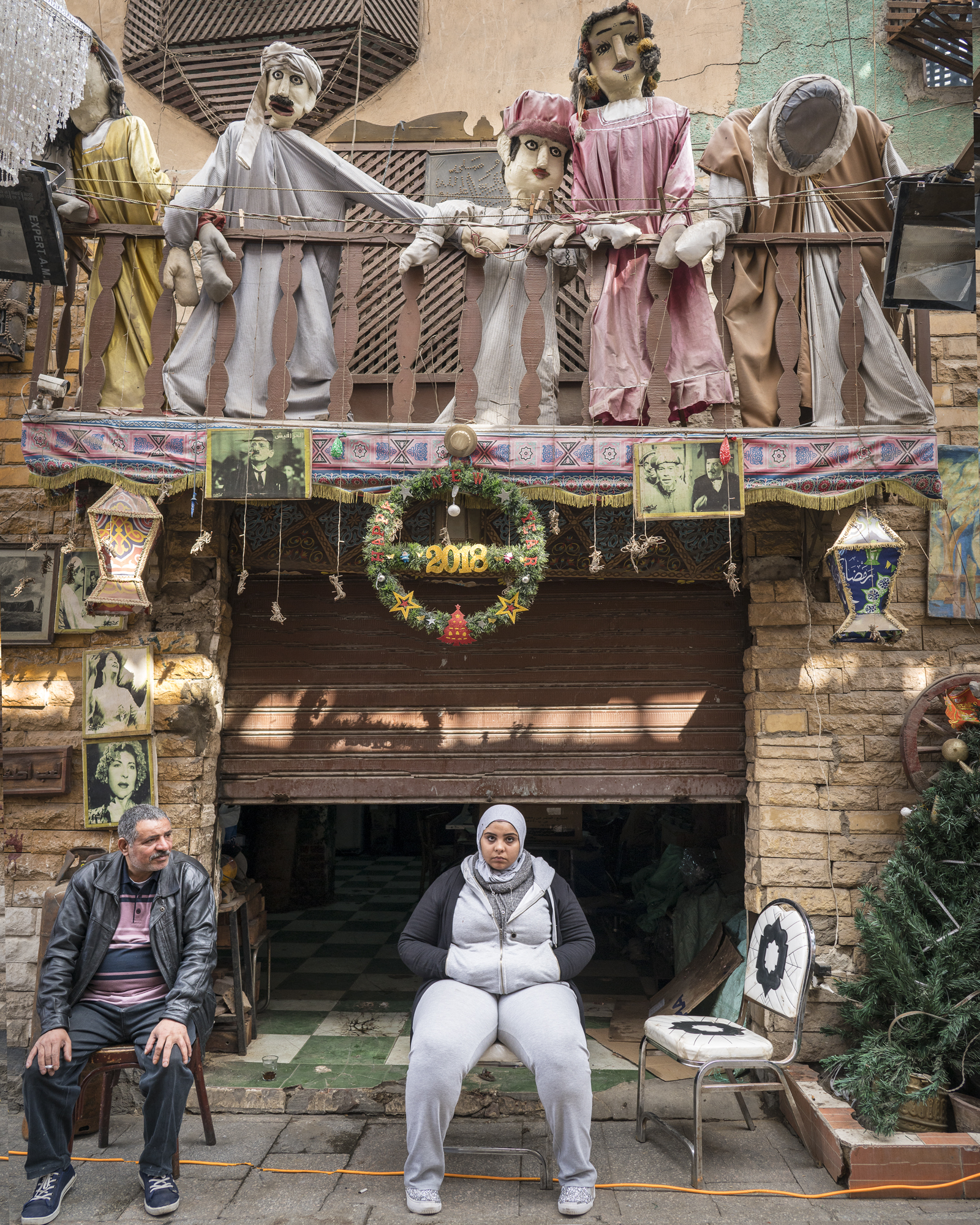
I appreciate Egypt’s multi-leveled environment. Egyptians naturally layer their surroundings so all surfaces and spaces are in use. Many of the resulting stacks remind me of Renaissance art. I recall the Italian paintings where angels are flying above the legendary events happening below. When I make pictures I always look for something of interest to place within the top area of the frame.
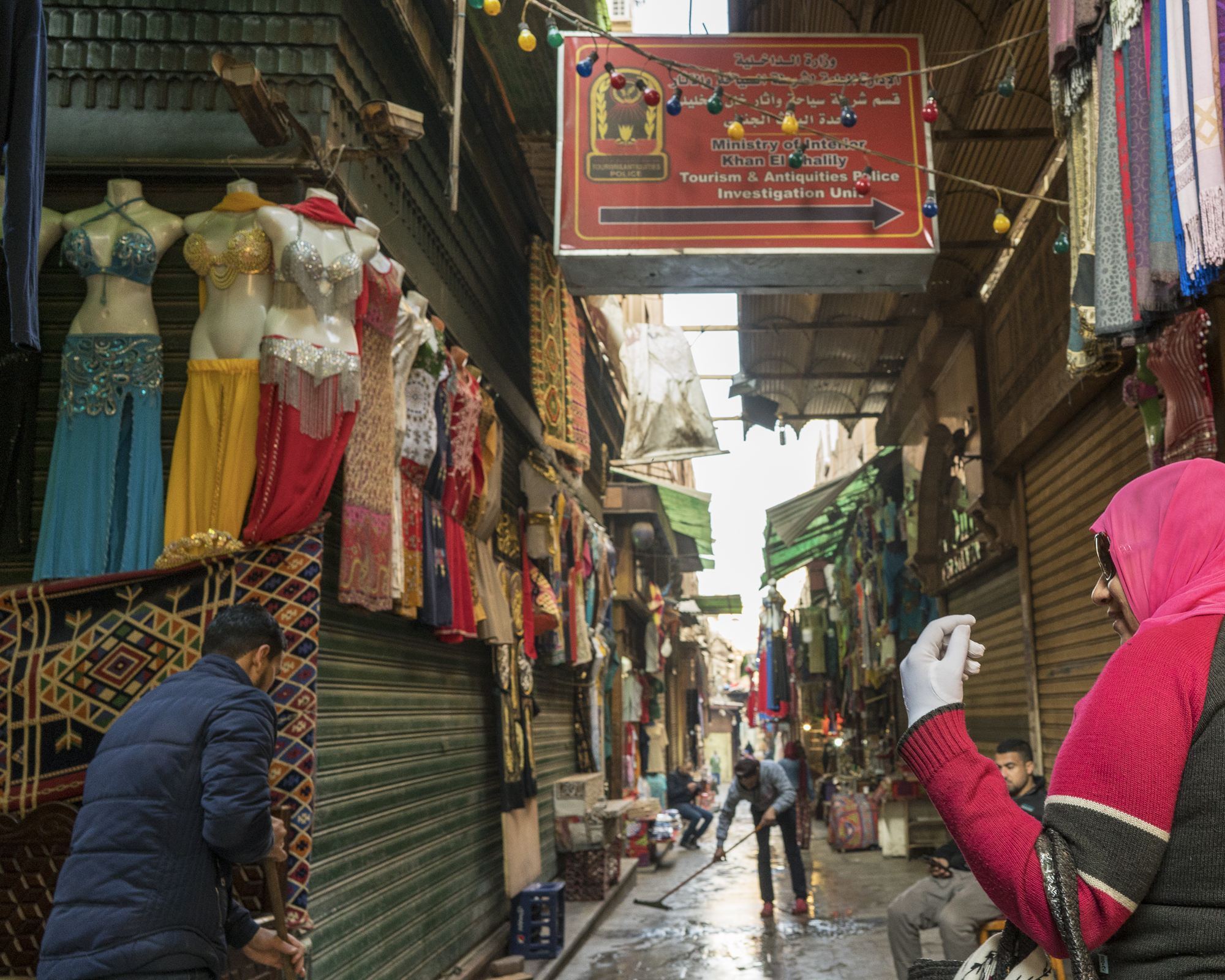
I like the “Tourism and Antiquities Police Investigation Unit” sign above.

Photographed from upstairs in an Aswan antique shop.
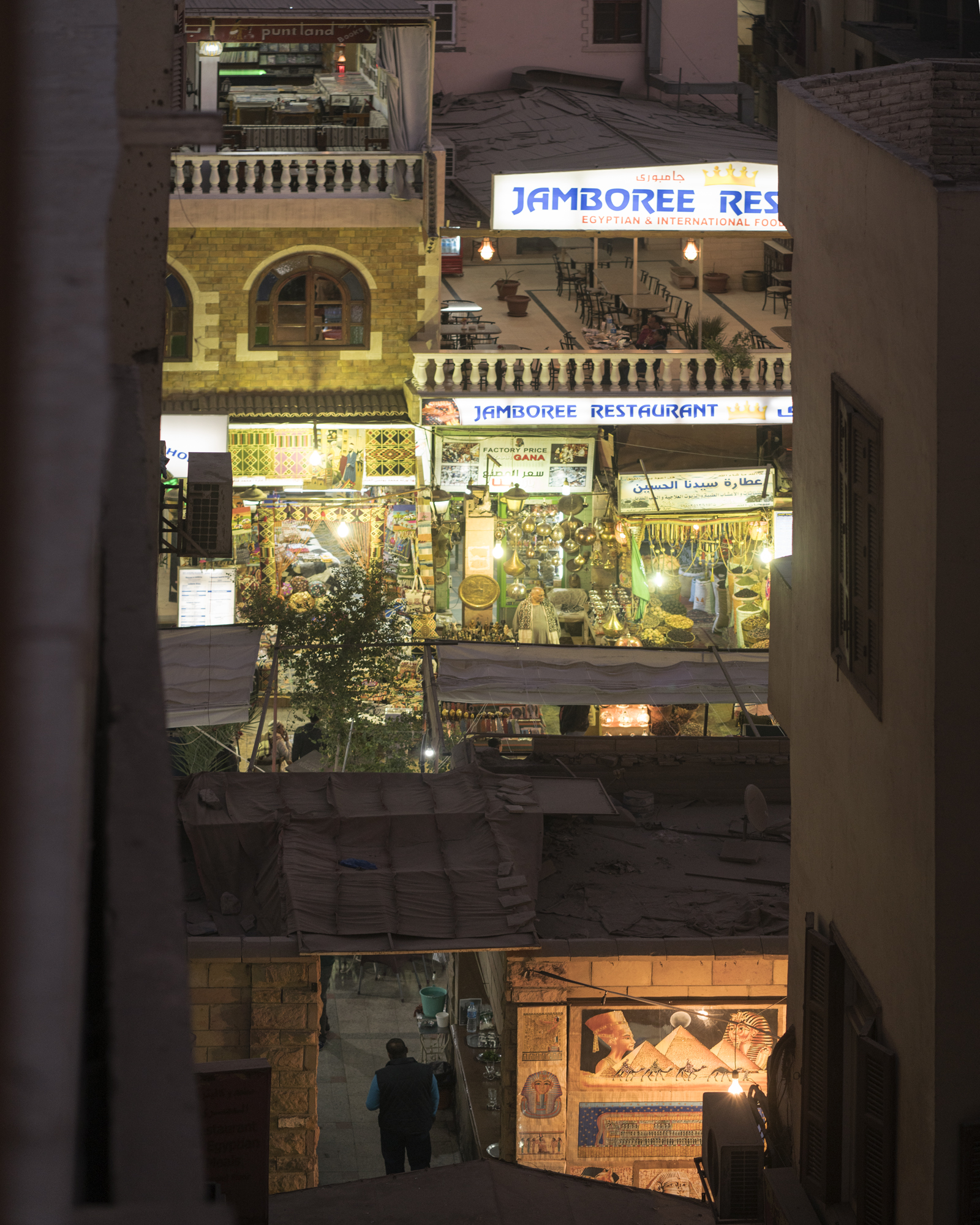
The view from our hotel balcony in Luxor. The top restaurant is called Punt Land, a wonderful football reference.
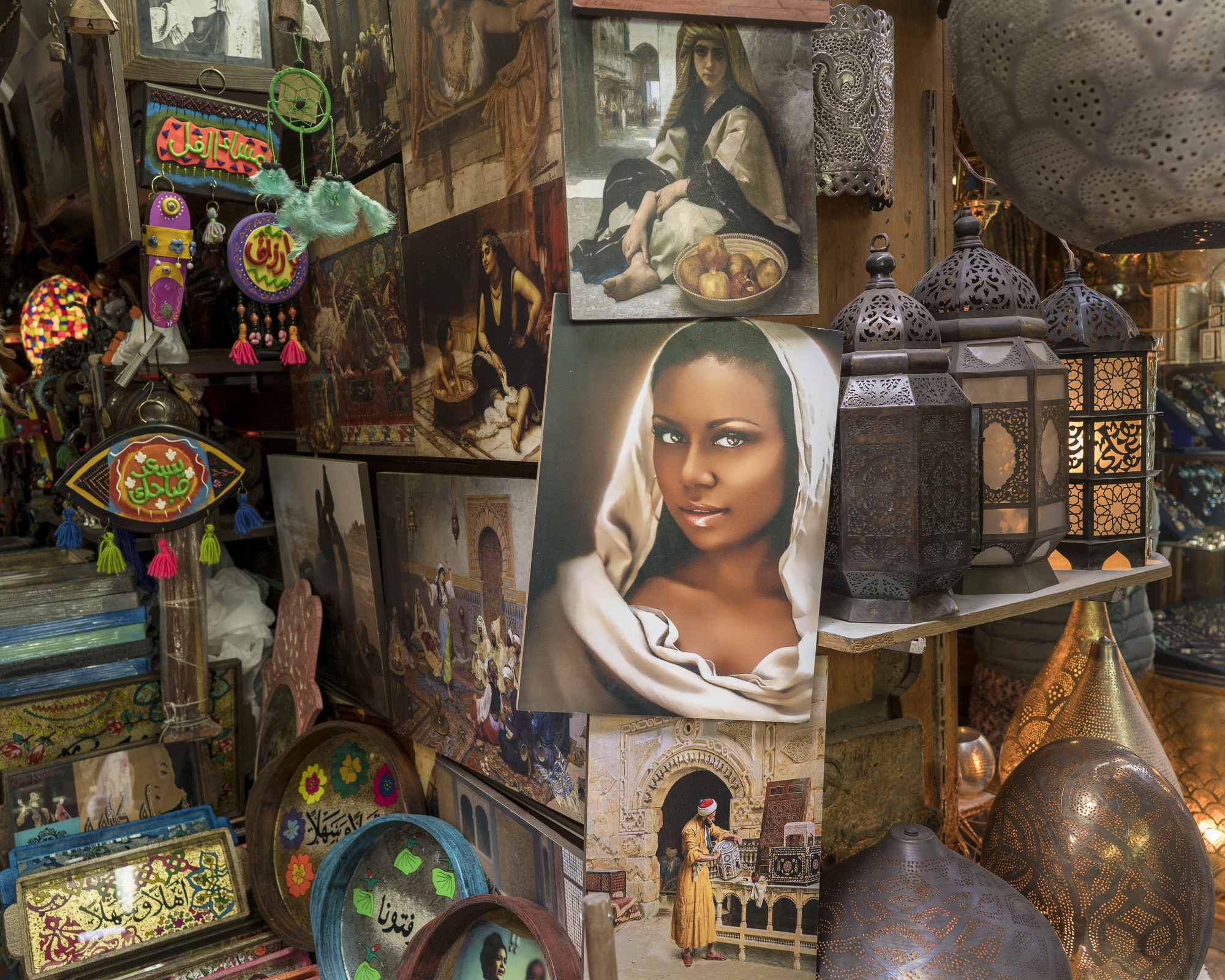
Cairo curio shop.

A souvenir mummy at the Cairo Museum shop with a man sleeping out the window.
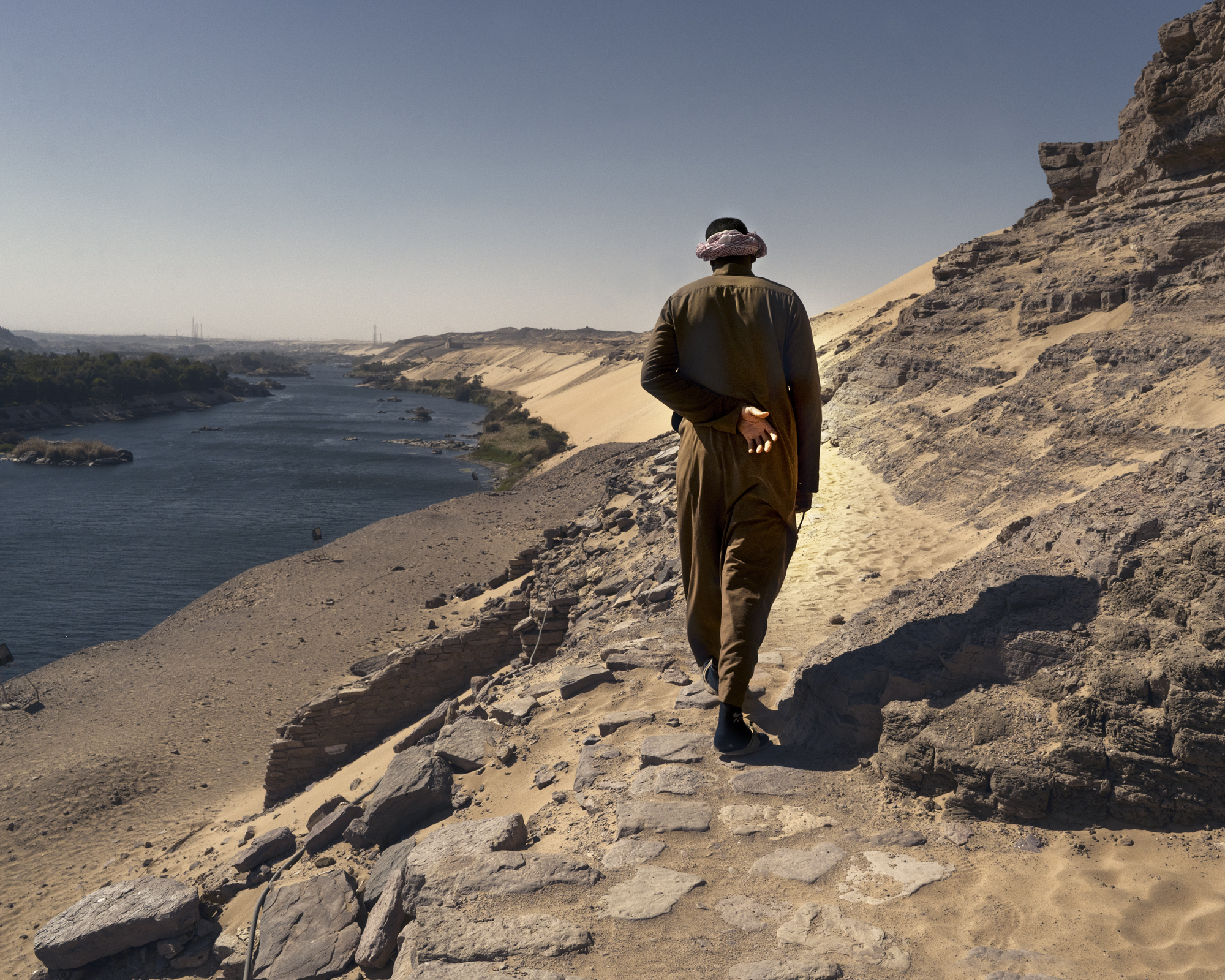
A walk along the Nile
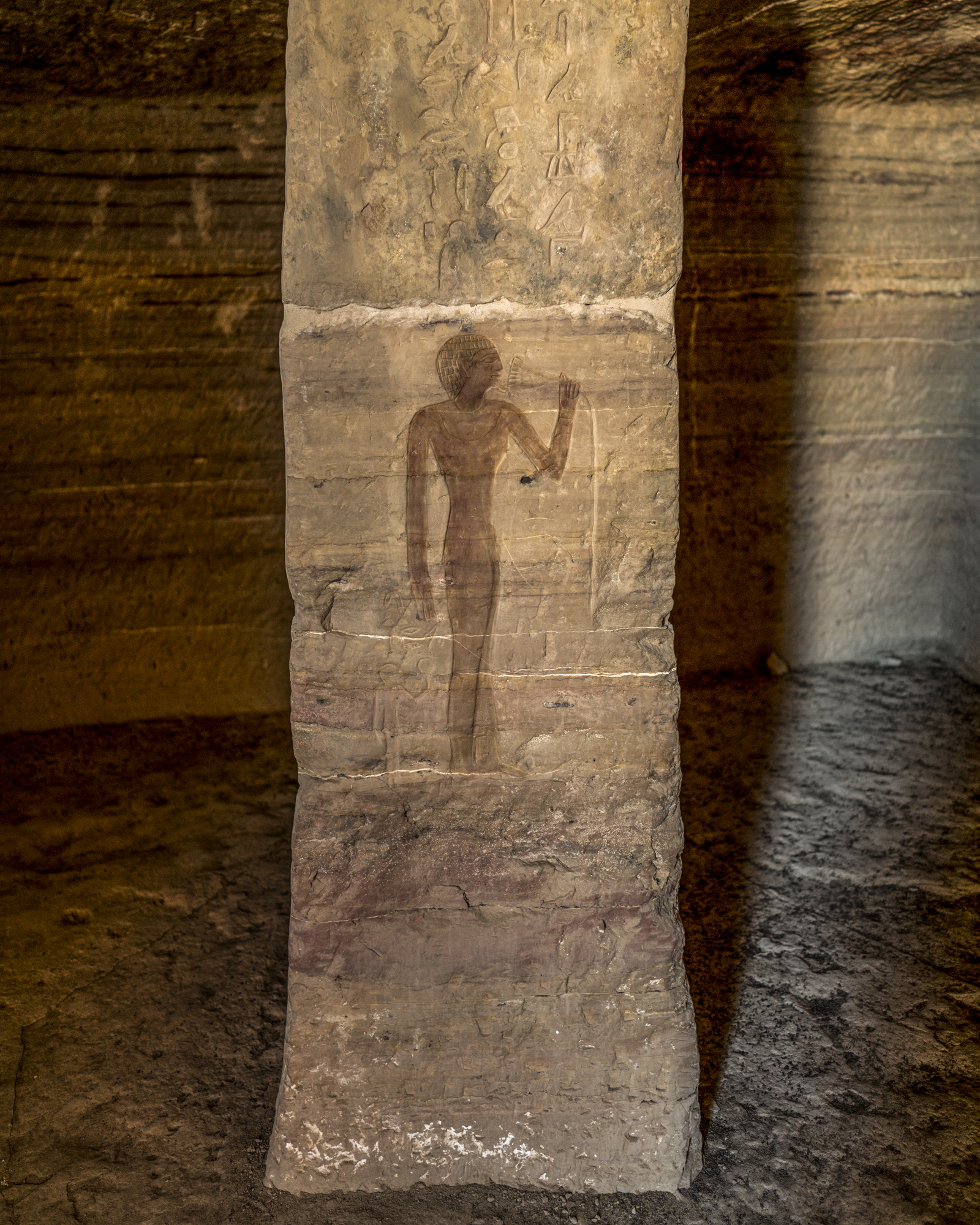
Inside a tomb, Aswan
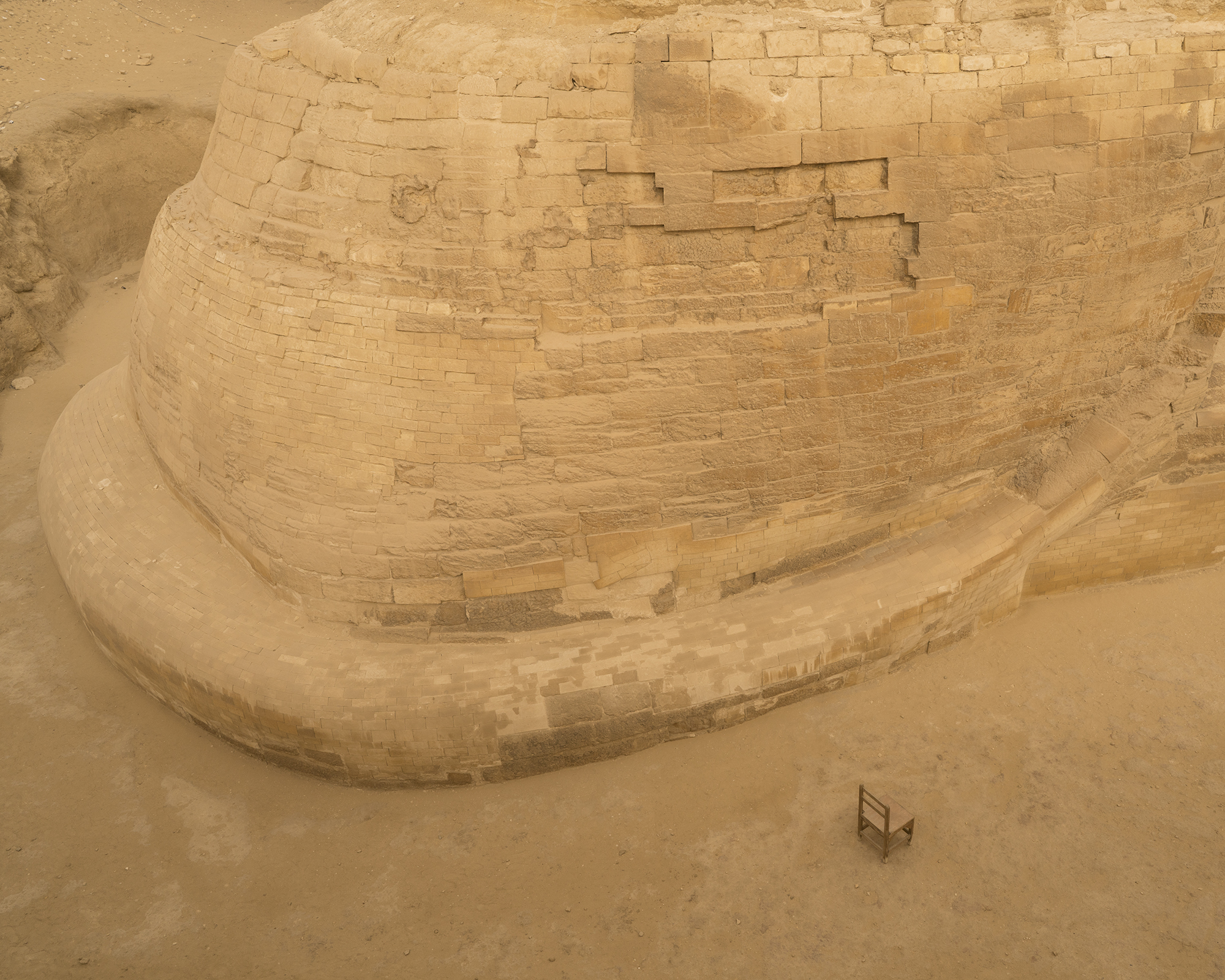
The tail of the Sphinx, Giza
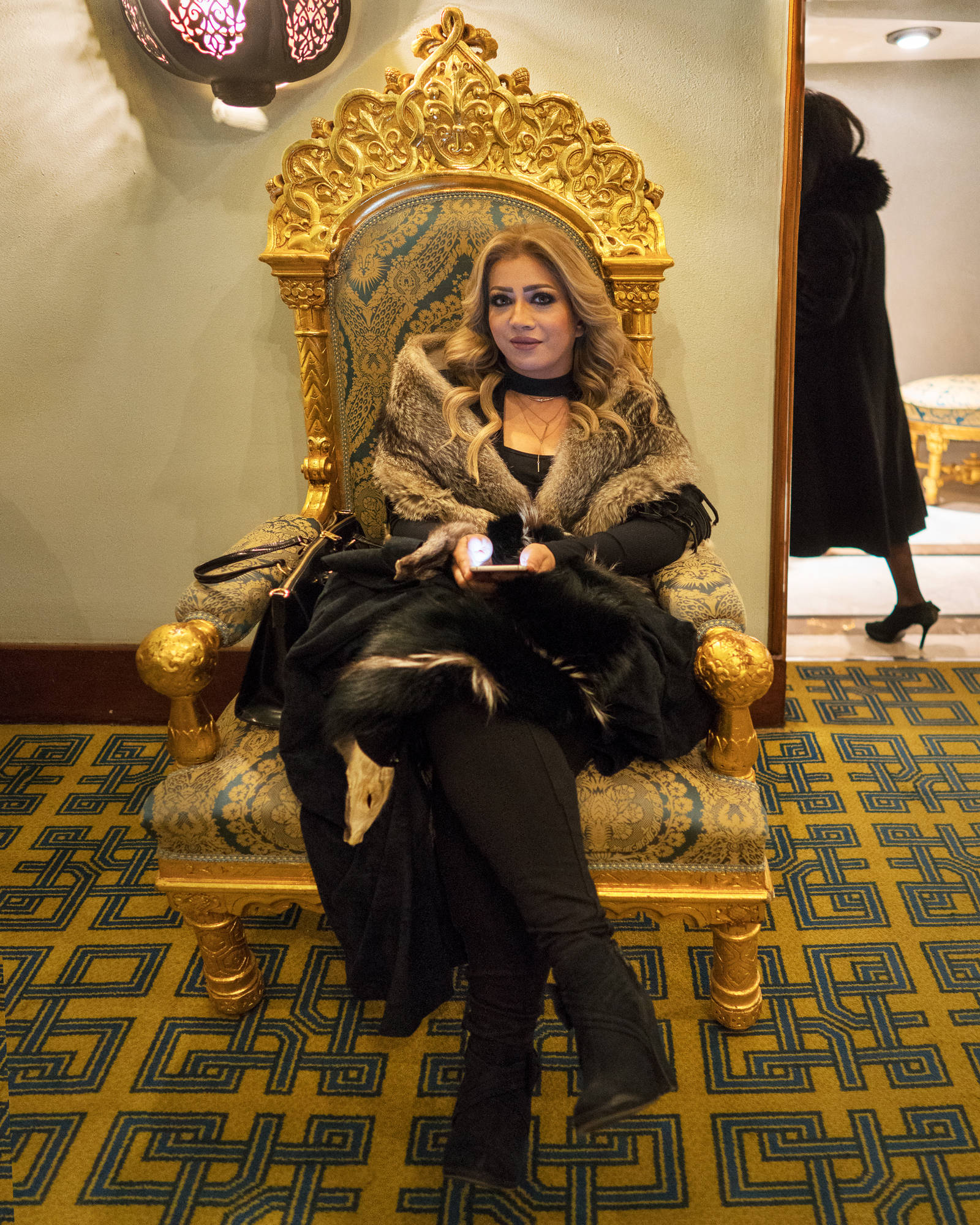
Waiting for the fashion show to begin.
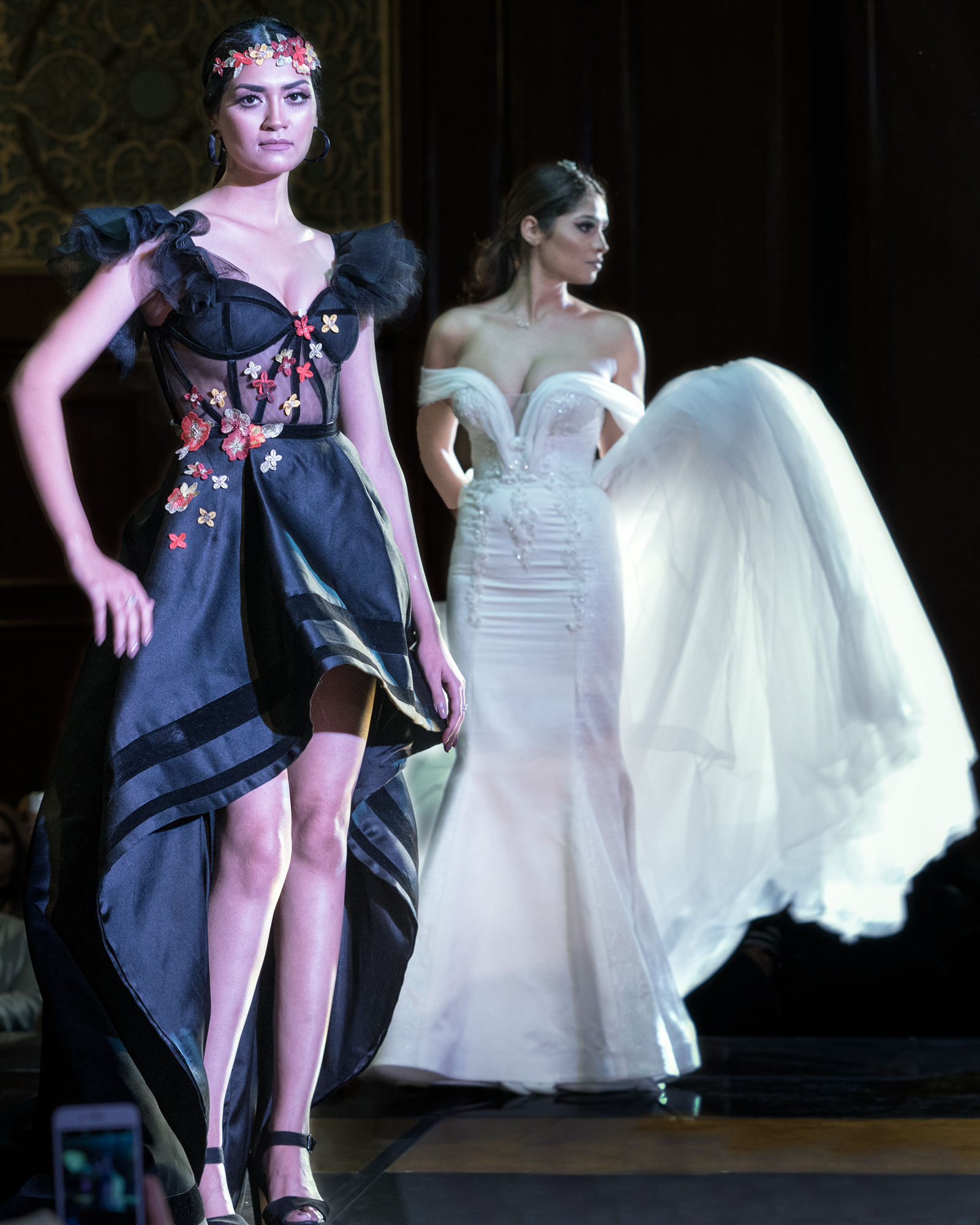
Fashion show and audience on my last night in Cairo.
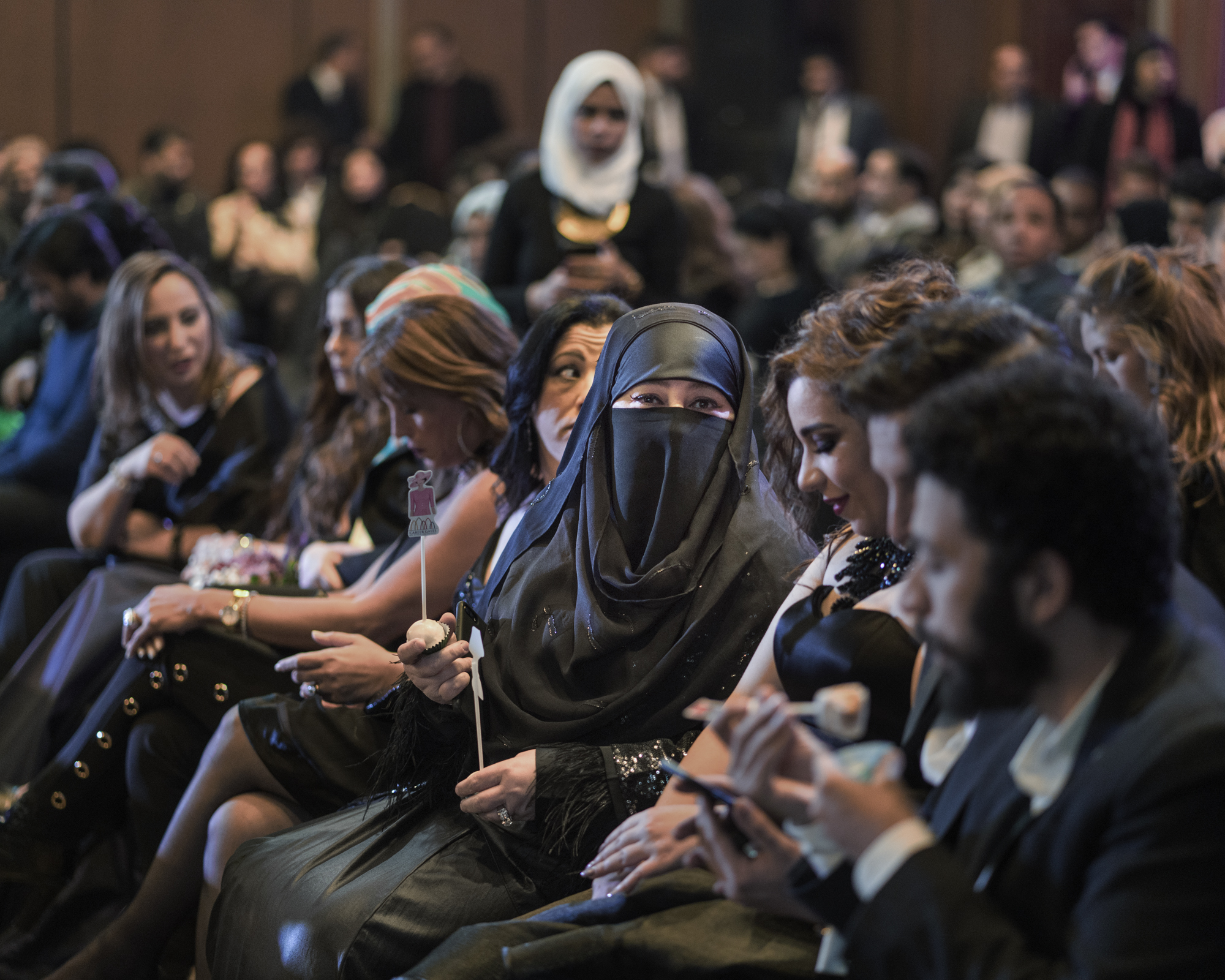
Throughout our time in Egypt, I observed cultural and social behaviors, such as what people wore and what they drank, that seem to be all of the following: celebrated, discouraged, protected, illegal, enjoyed and tabu. What is troubling Egypt is complicated and, like most countries, growing out of a need to improve the quality of life for all.
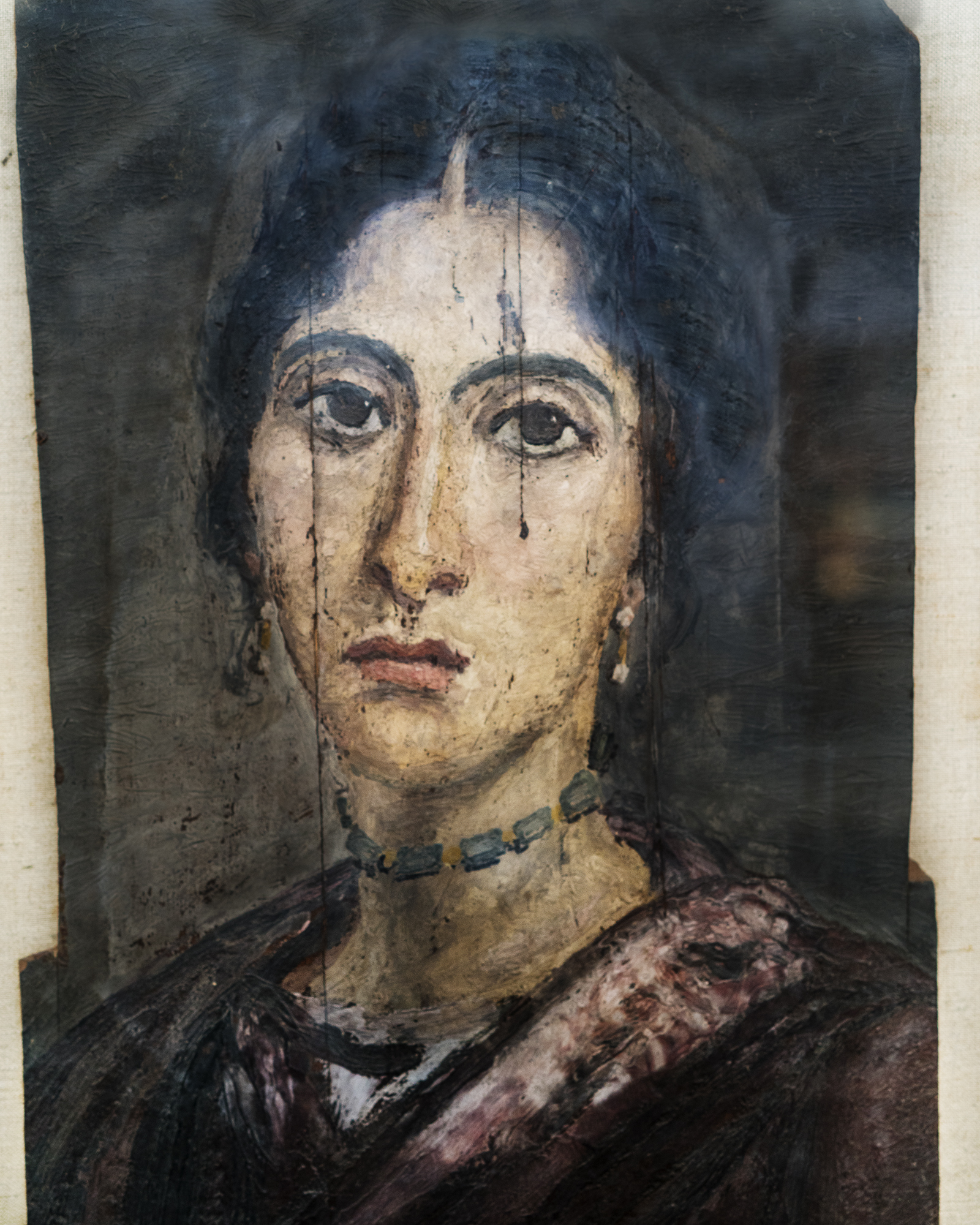
Fayum portrait circa 100 A.D.
One thing that we can actively engage in to increase parity amongst the people of the world is to support women on every front. A small step toward that end, in photography, is to support the Women’s Issue of ZEKE Magazine.
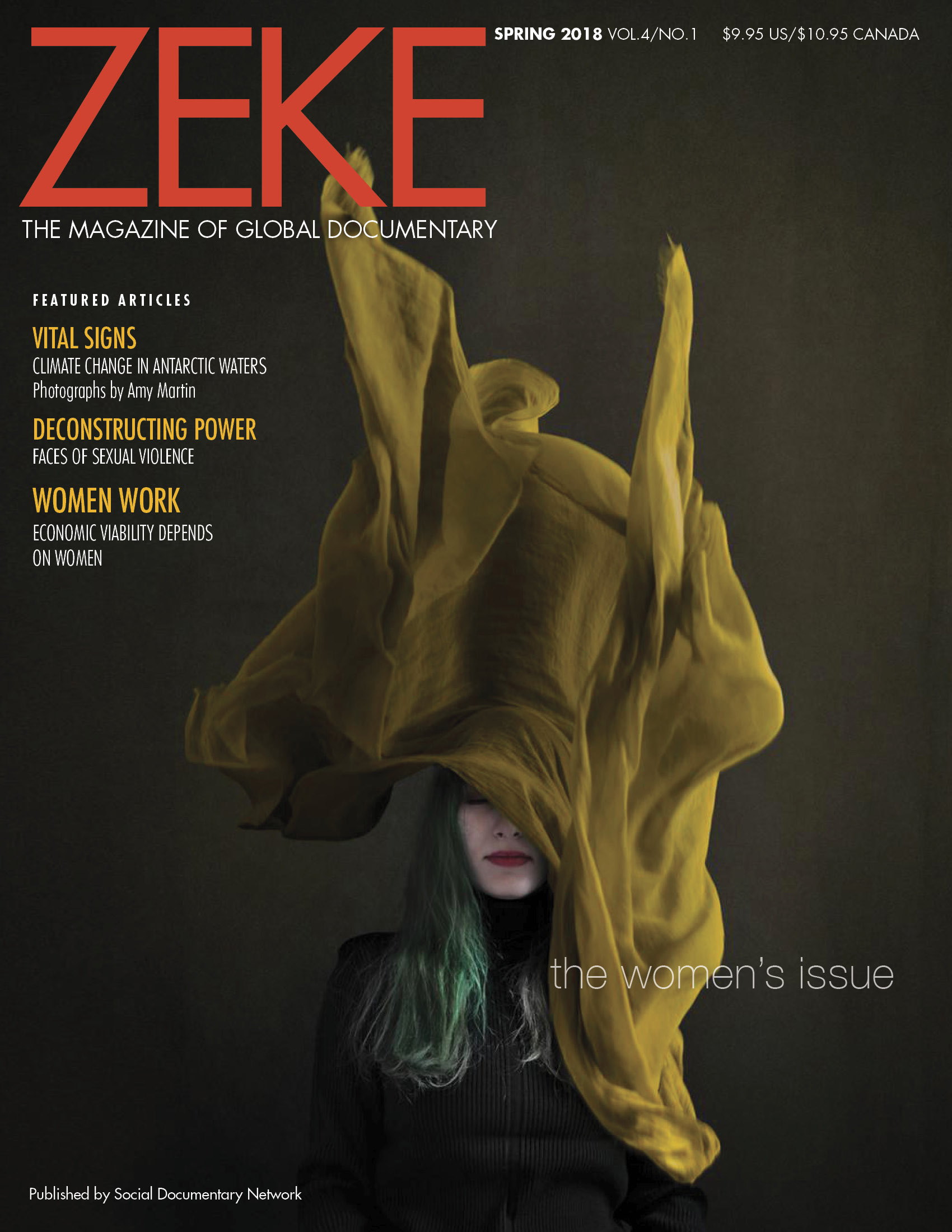
The Women’s Issue is now available, presenting feature articles by women photographers and writers on sexual violence, women & work, climate change, and more. Available at www.zekemagazine.com/womens-issue .
Disclosure: I am on the Advising Board of SocialDocumentary.net and write for ZEKE Magazine, I am not in the Women’s Issue.
Egyptography
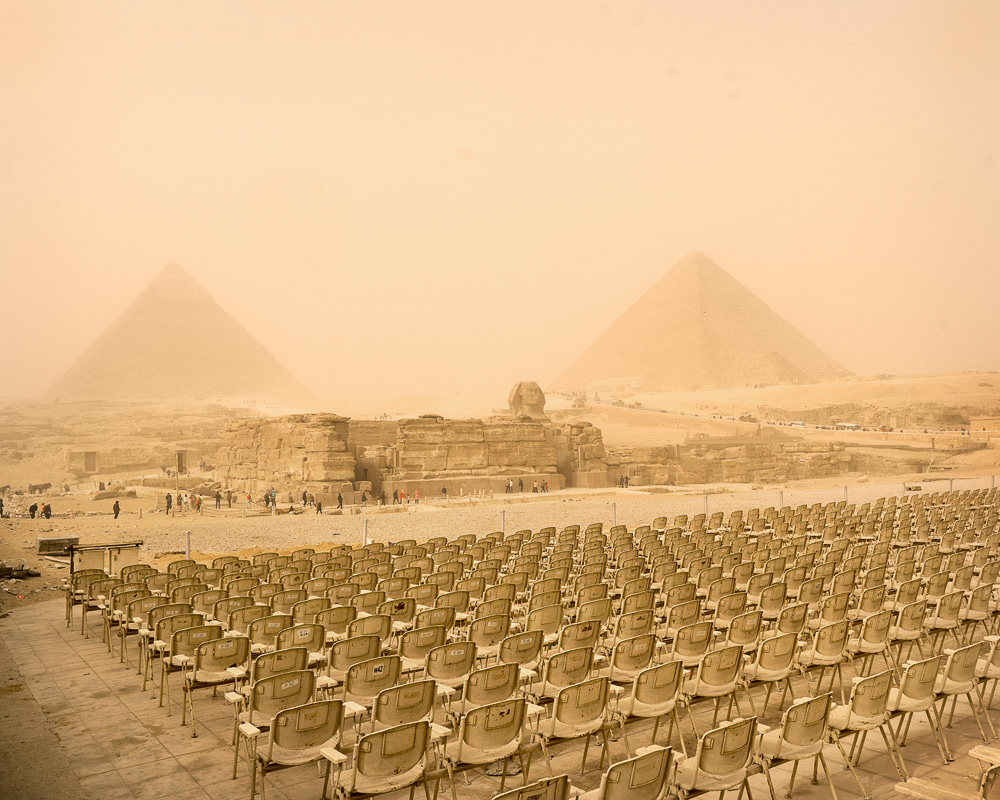
Sphinx, Giza, all photos © Frank Ward, 2018
I enjoyed my first trip to Egypt this past January with my wife, Vivian Leskes. She was invited by the US Embassy in Egypt to give English language workshops in Cairo. I gave a photography presentation for the public at the American Center.
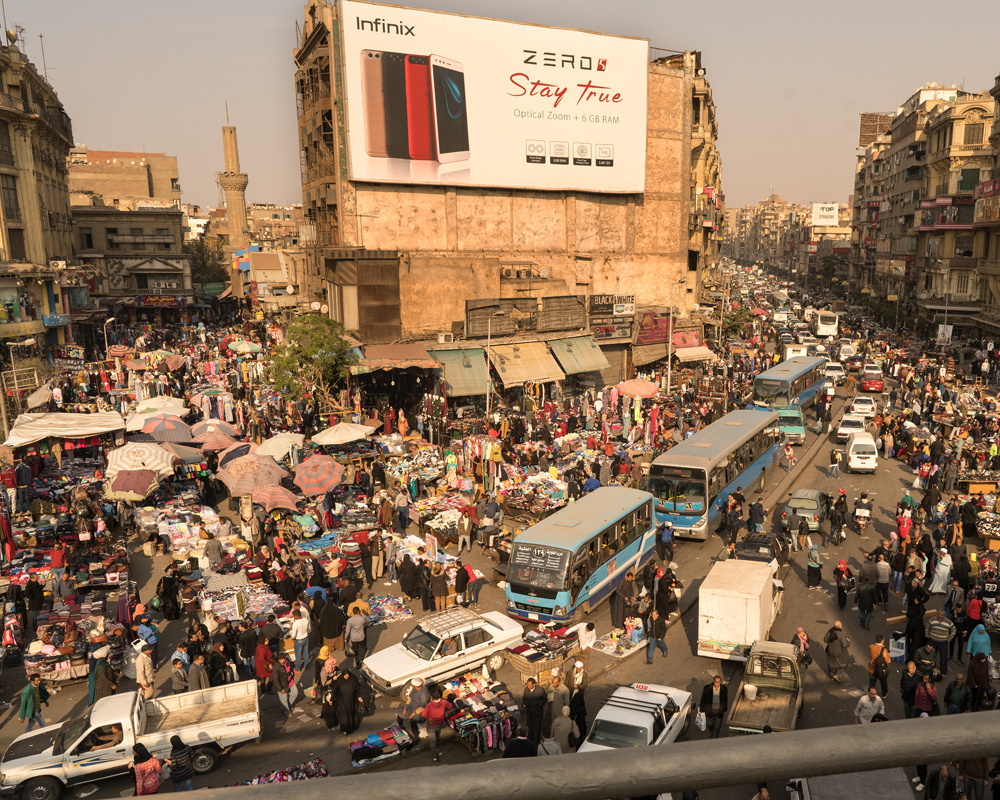
Cairo shopping district photographed from the window of my passing vehicle. Egypt has an ancient history of hording. Five thousand years ago the pharaohs believed that you could take your wealth with you. They entombed their possessions along with their mummified bodies for future transport to an afterlife filled with stuff. Much of that stuff is with us today because of the early Egyptian desire for all embracing preservation. Egypt itself provided the perfect conditions for long term storage.
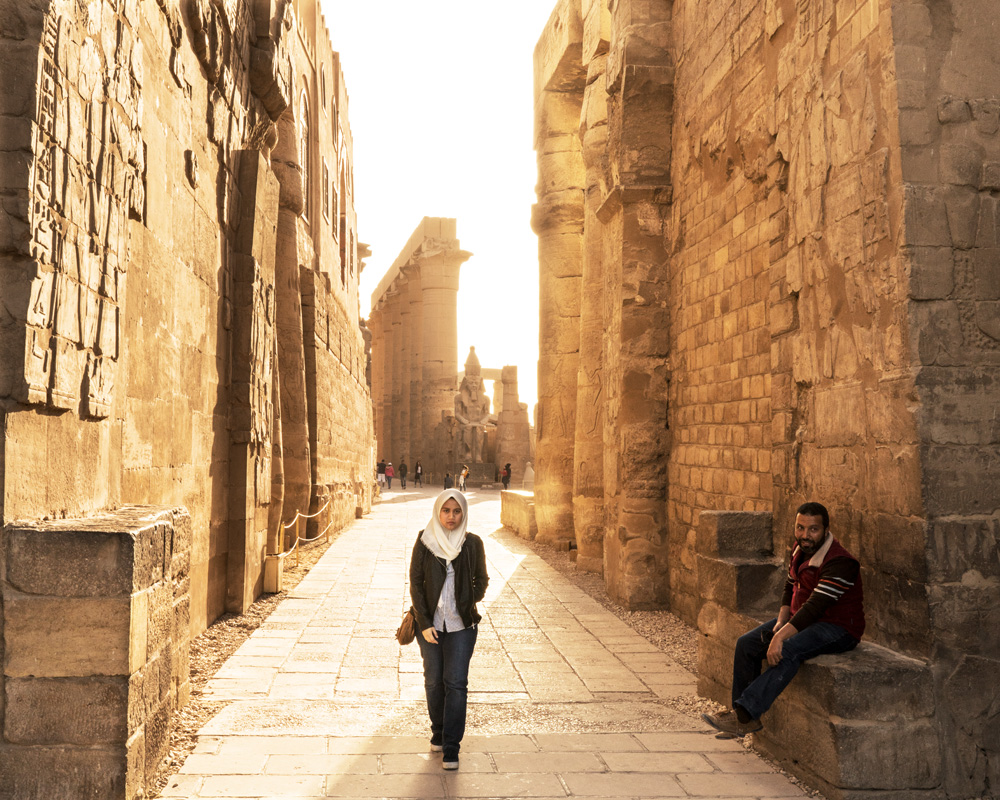
Tourists at Karnak, Luxor
Before doing our stint as lecturers, Vivian and I flew south to Luxor and then journeyed to Aswan by dahabiya. The trip encompassed five nights on the Nile on two boats, six passengers per boat. I think Luxor is the root of the word “luxurious.”
 Sailing on the Malouka up the Nile.
In addition to cruising the Nile, we spent most days visiting temples, tombs, villages, farms and families. From my perspective, Egypt generates total visual immersion.
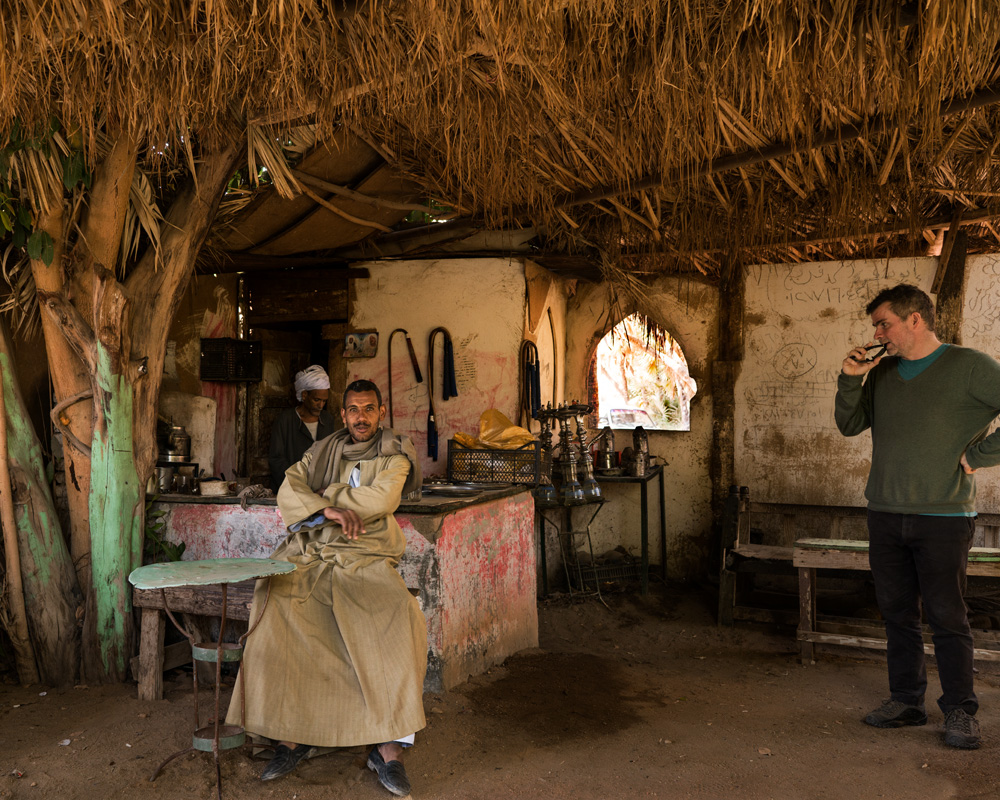
A village tea and shisha (waterpipe) shop. Boat-mate Jonathan is on the right.
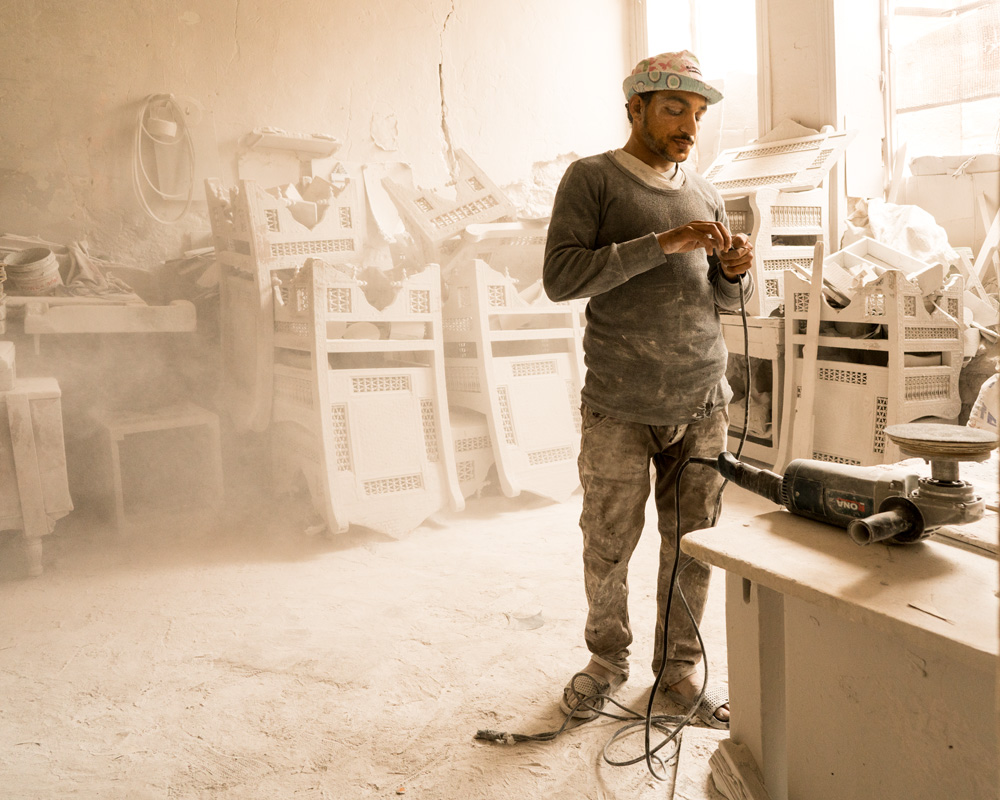
In Islamic Cairo, a man is sanding inlaid mother of pearl game boards to sell to tourists. Tourism is down by more than half since the 2011 Arab Spring and the 2013 military takeover.
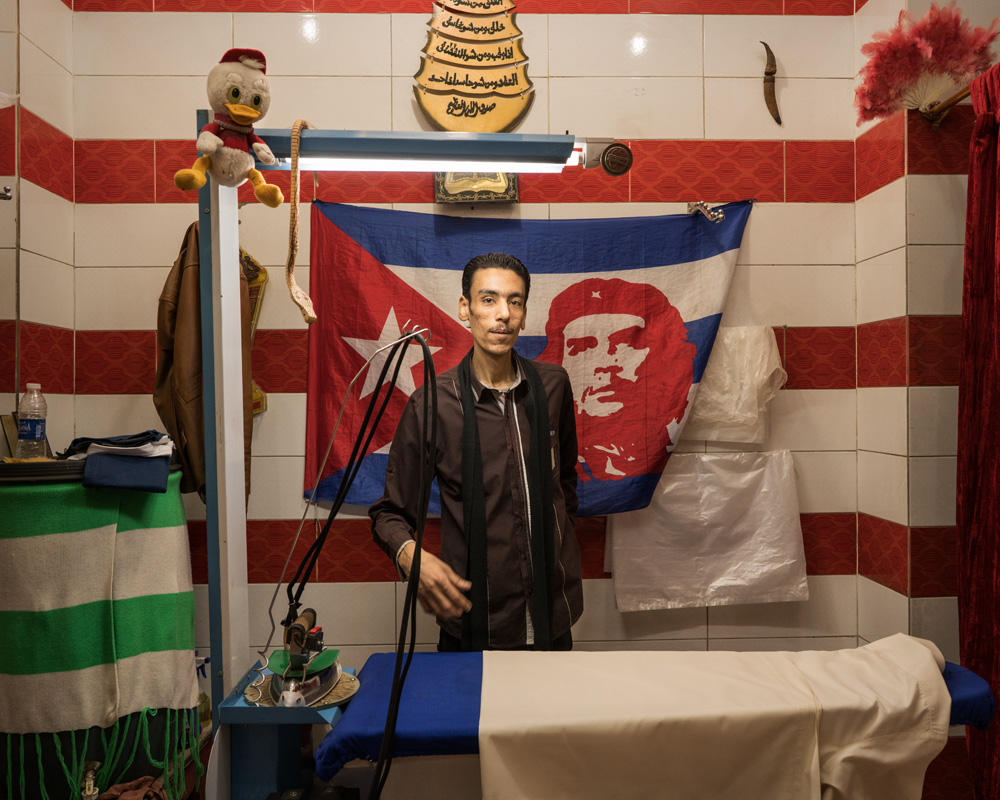
In Aswan, a man does ironing in his shop.

A merchant is set-up on a street corner in Islamic Cairo.
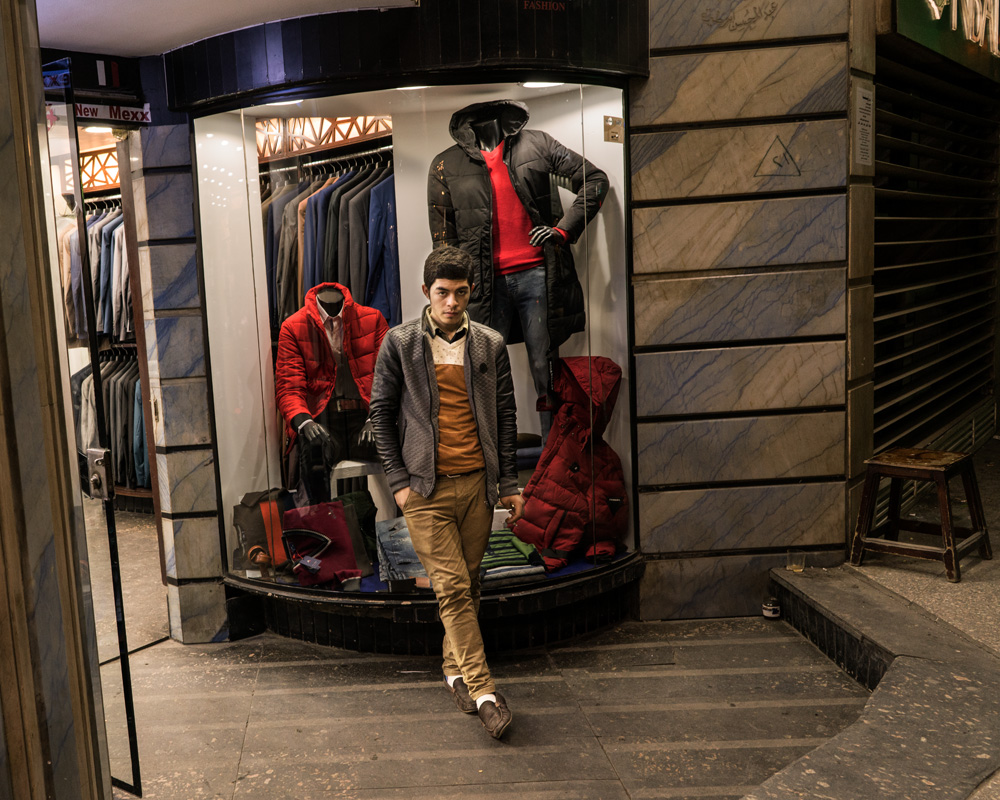
Young man near Tahrir Square, Cairo.

Man enjoying a pipe in a village cafe.
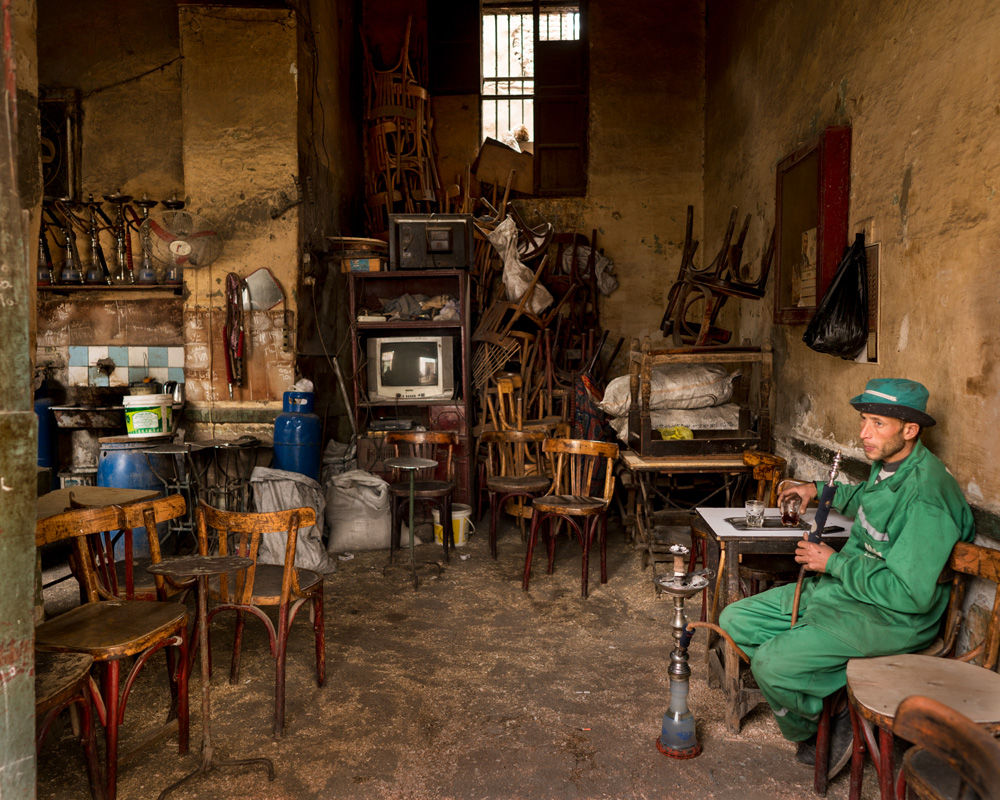
Tea and shisha in a cafe in Islamic Cairo.
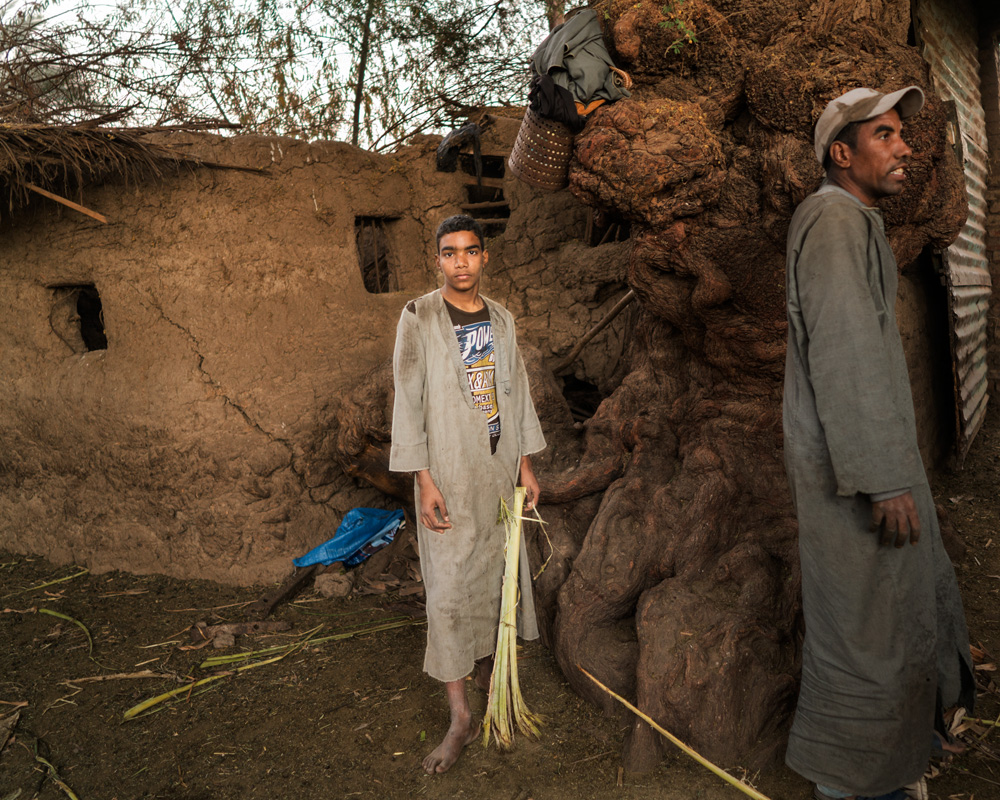
In a village along the Nile.

On my last night in Cairo, Vivian and I went to a fashion show. I told the organizers that I was going to blog about it. So here is the picture. It fits poorly into the rest of my posting. The poor fit is somehow appropriate considering Egypt and its many issues and contrasts.
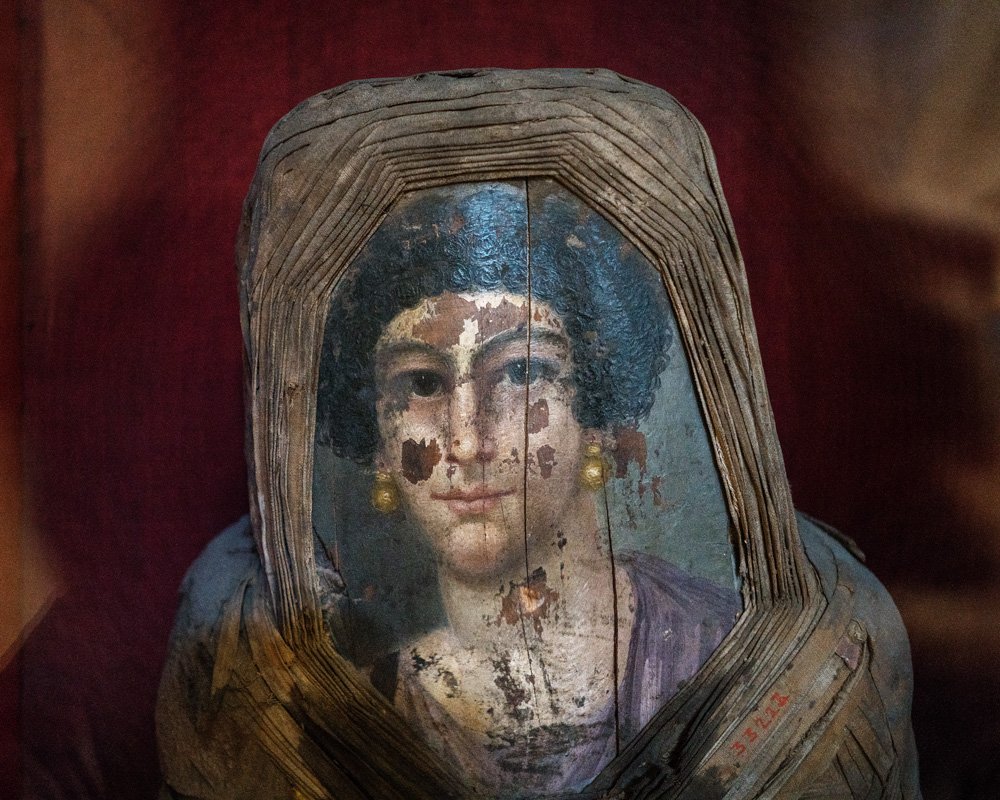
Egypt is still discovering the history of its ancient civilization. Above is a Fayum mummy from the Cairo Museum. The portrait, from the Coptic Christian period, is on a wood panel that is encased in mummy’s wrappings.
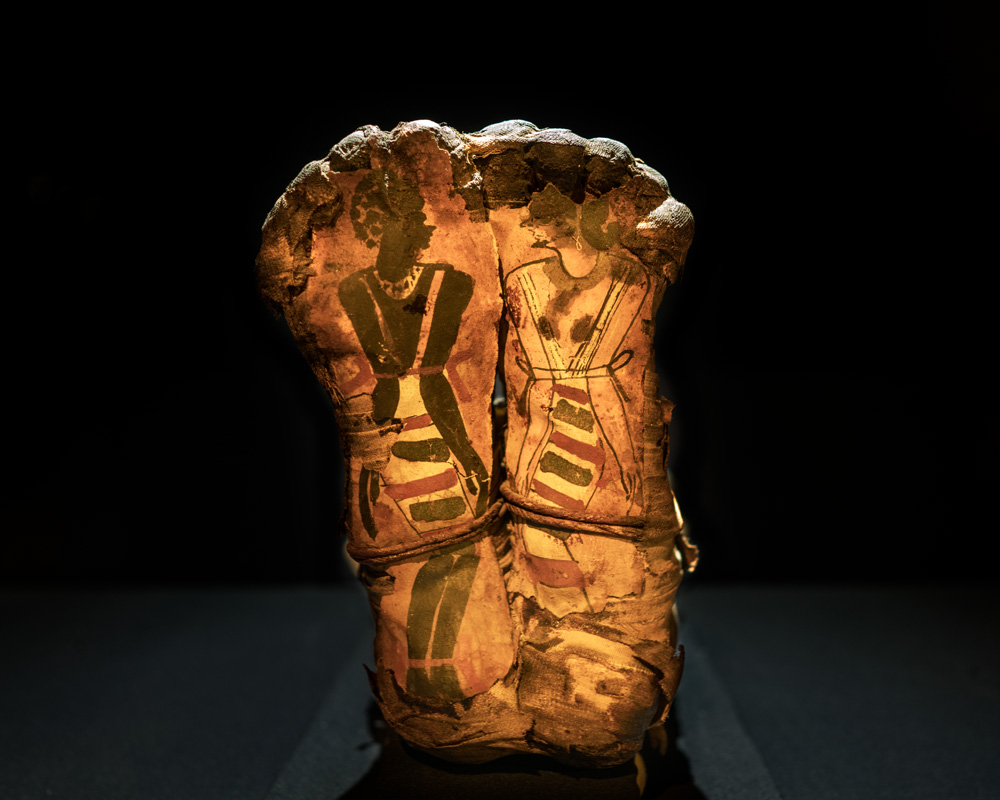
The ancient Egyptians disliked leaving any surface undecorated. I recall that I saw these painted mummy’s feet in the Cairo Textile Museum. I’ll add more pictures as I sort out my feelings about Egypt’s ancient legacy and present circumstance.
Weekend in Iceland
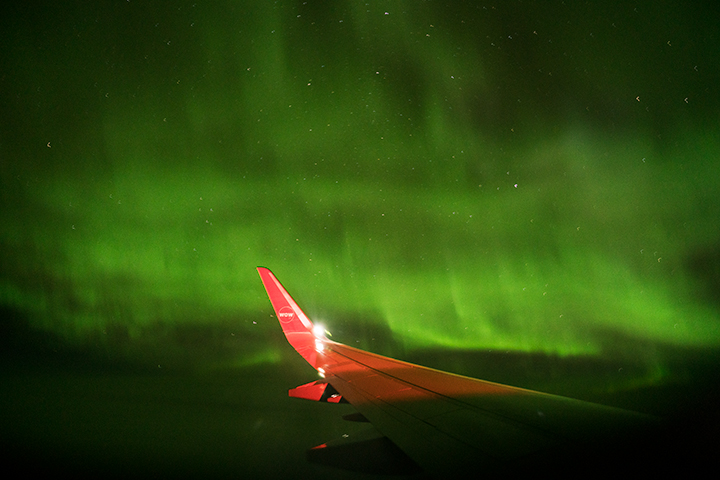
Flying WOW Airlines through the northern lights to Iceland, all pictures 2017, all photos ©Frank Ward.
It has been months since my last post. Several other photography blogs are also publishing less. Like letter writing, blogging seems to be near extinction. Remember writing letters? If you were born after 1999 you probably never had a chance to write a letter.
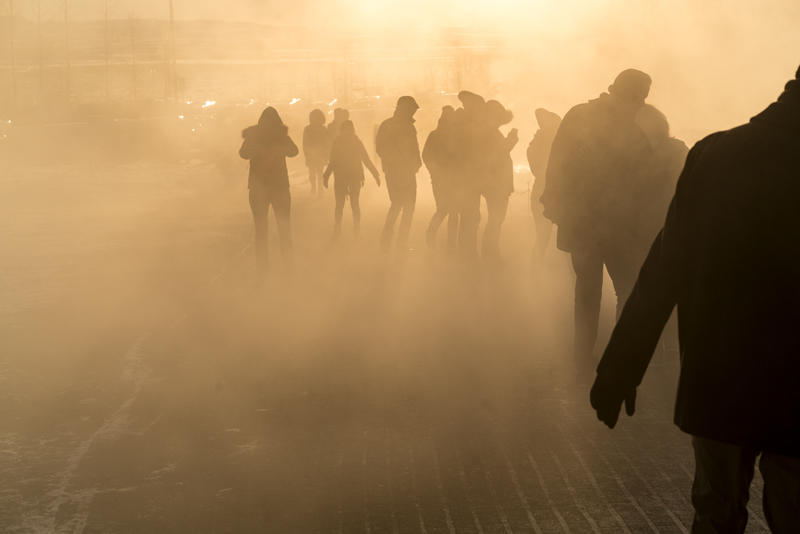
Walking the steamy streets of Geyser.

Reykjavik Harbor.
I know many photographers who are regularly Instagram-ing their picture output. I don’t like uploading through the iPhone as required by Instagram. I don’t even like photographing with the iPhone. It’s too easy. I like a camera that needs to be told what I want it to do, I don’t want an app pre-set to give me an Instagram picture formula.
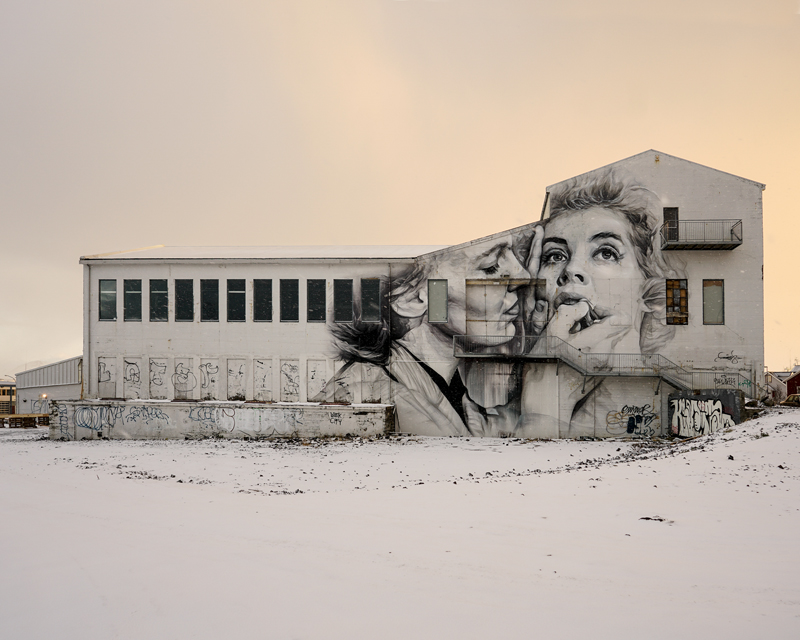
Mural in Reykjavik
In November, Reykjavik had six hours of light per day. Three for sunrise and three for sunset. Jay Maisel taught me to avoid photographing between the hours of 10am to 4 pm because that is theoretically the least interesting light of the day.
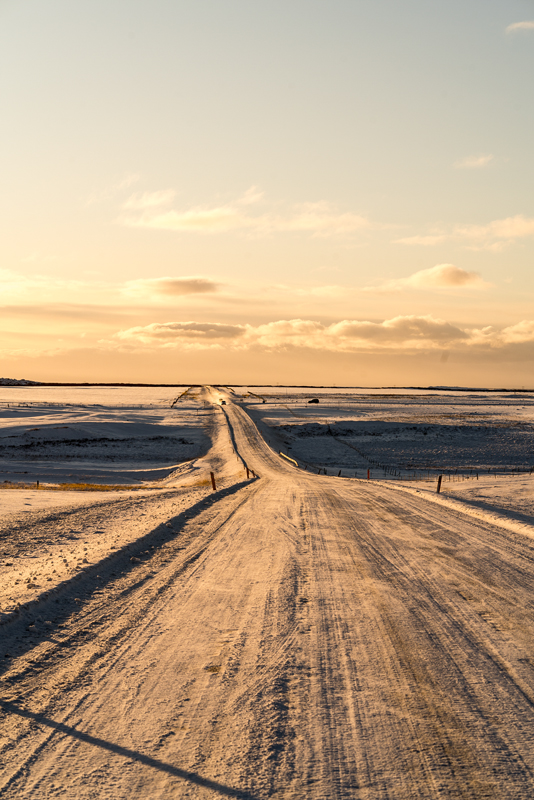
In Iceland, dawn at 10:00 and sunset at 4:00 creates an experience of low sweeping light all 6 hours of the day.
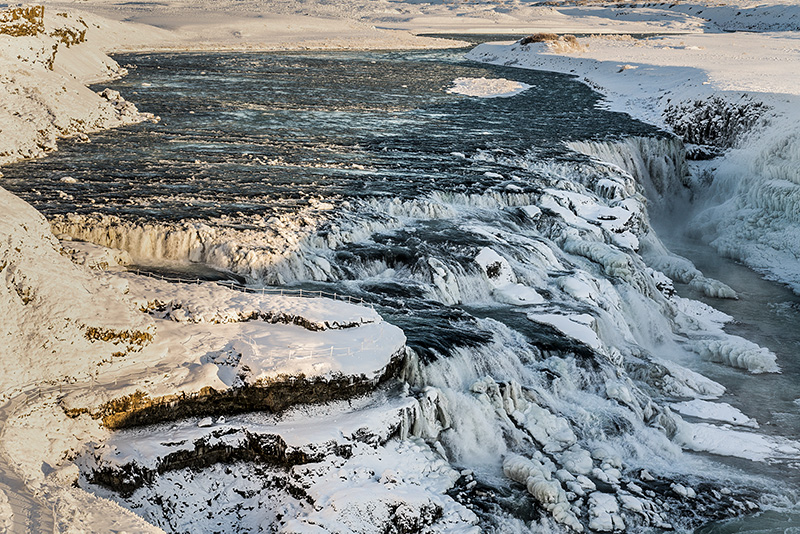
As I stood appreciating the above scene, there were about 20 photographers with cameras on tripods around me. I am accustomed to being where dozens of photographers are not, like in Central Asia or Siberia. Who knew that Iceland in November was the place to be?
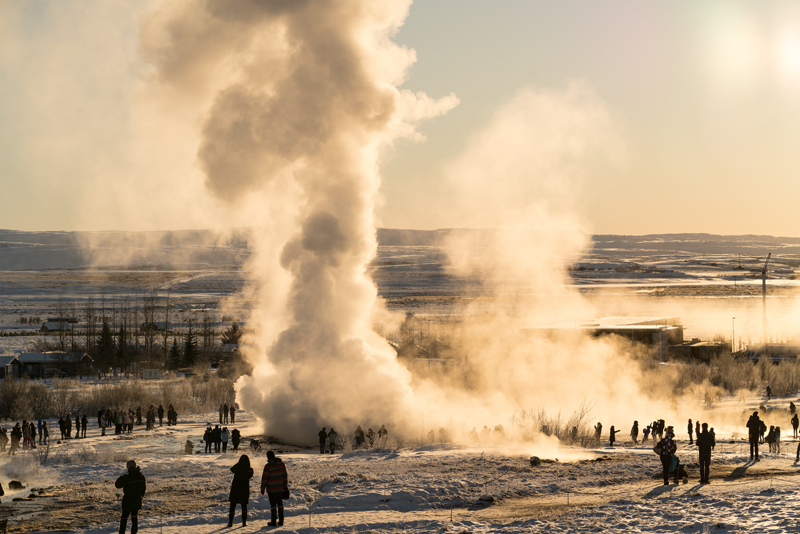
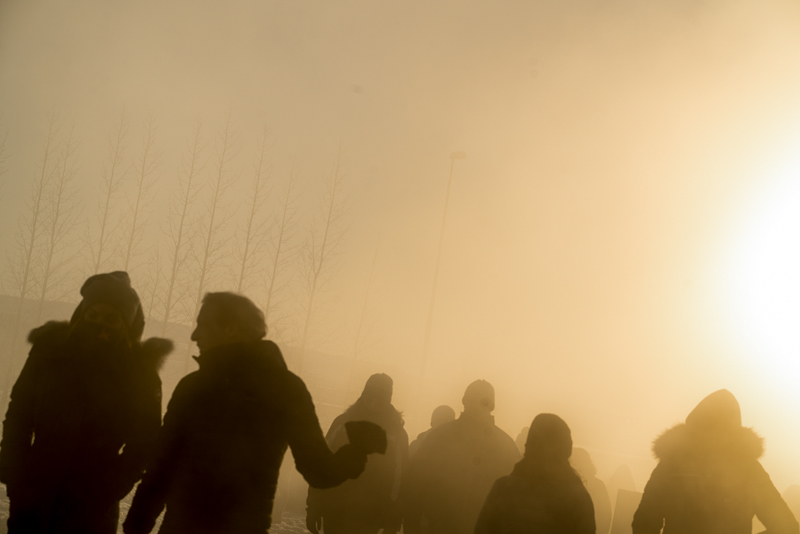
The geyser in Geyser erupted every few minutes. The experience is incredible, and so were the crowds. I liked photographing the crowd through the steam.
There are around 350 thousand residents on an Island and about 1.8 million tourists visiting per year. I know that isn’t a great ratio, but the island has miles of beautiful, forbidding, solitary landscapes. You could head out with a 4 wheel drive vehicle and be alone for as long as you can stand it.
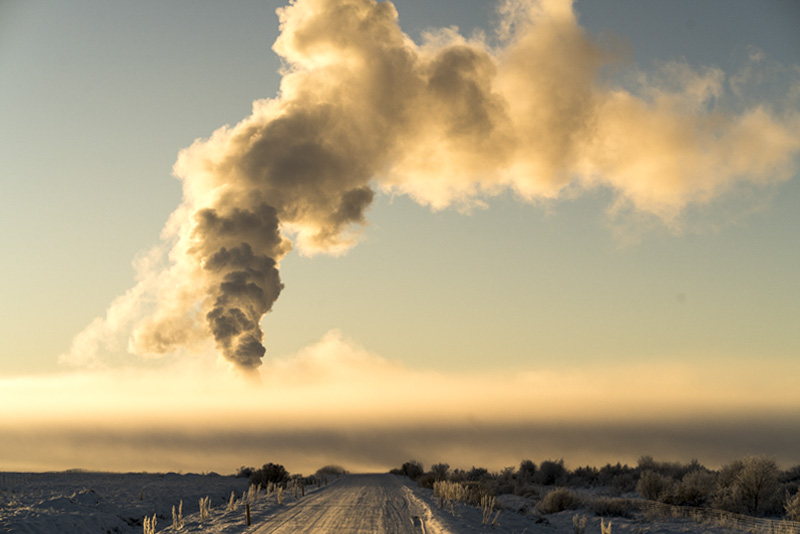
Possibly a geyser from a distance, or someone smoking up a lot of fish.
Speaking of fish, my major issue with Iceland is the price of food and drink. Everything is at least two times what you might expect to pay. I can understand that most edibles need to be flown in, but fish is plentiful and it is still very expensive. That said, fish soup is the culinary highlight of the island. Pay-up and enjoy.
Cultural Visions Part Eight: My Massachusetts
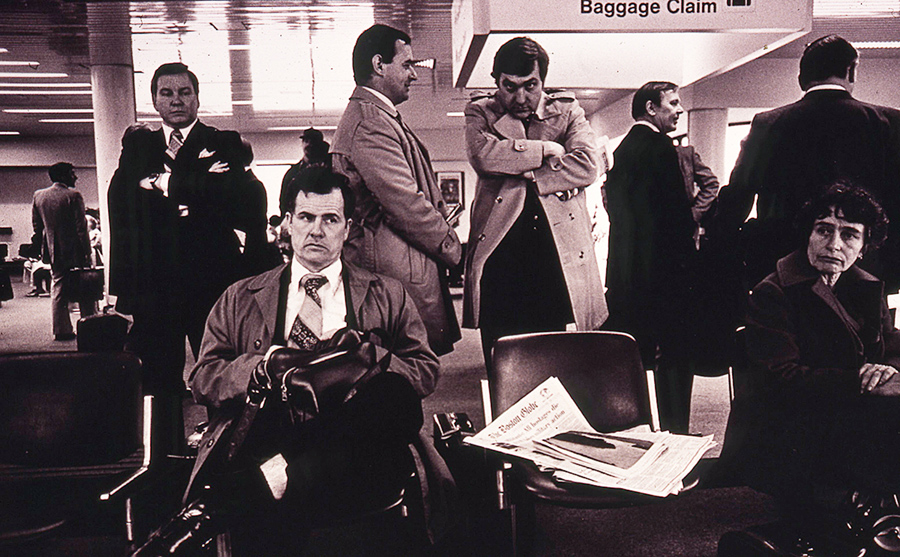
Logan Airport, Boston, 1979. All photos by Frank Ward
This collection of Massachusetts found moments were made between late-1970 and mid-1990. The newspaper on the chair above references the Iran hostage crisis. The headline reads, “All hostages must die.”
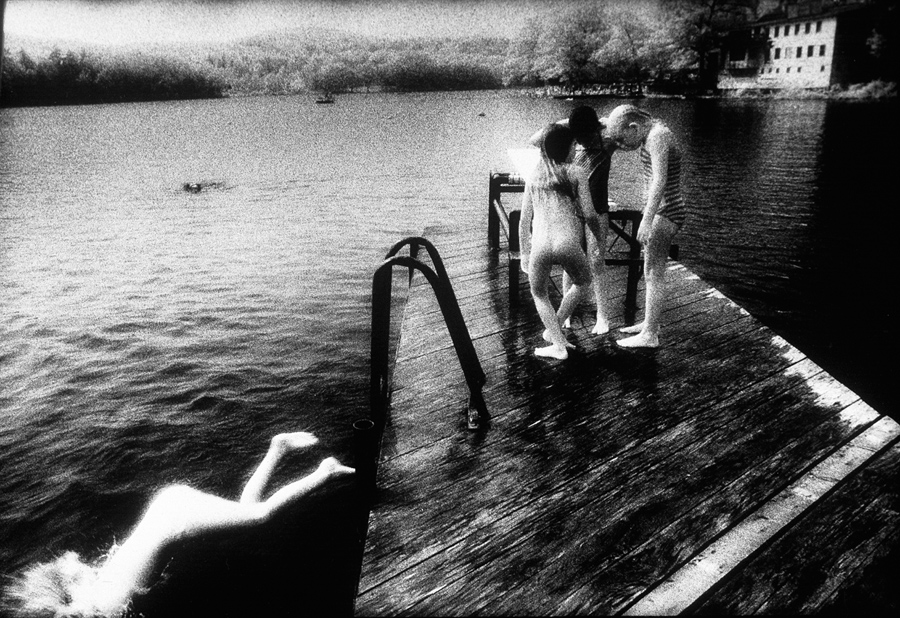
Ashfield Lake, 1982
I moved to Ashfield in 1980. The local news was that sewerage was seeping into the town’s recreational lake. It took years to resolve. The glow in the picture is from my infra-red film, not from the pollution.
The 2 pictures (below) are part of the series Pleasant and Main.

Pleasant Street, Northampton, 1985
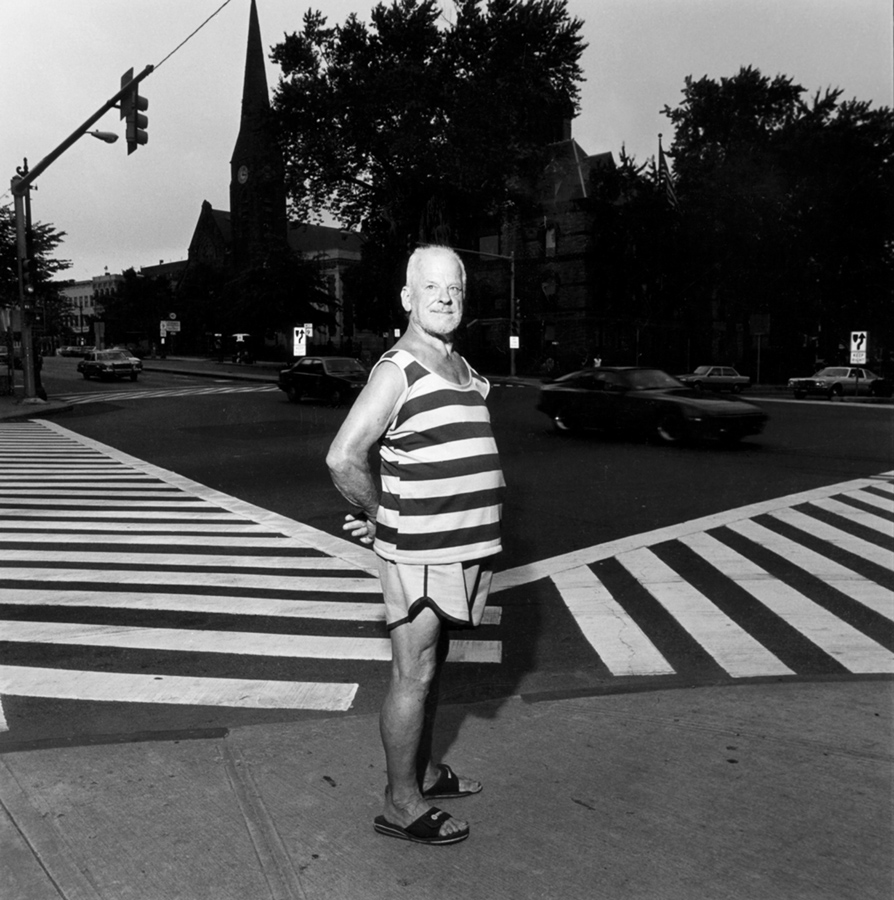
Intersection of Pleasant, Main and King Streets, Northampton, 1985
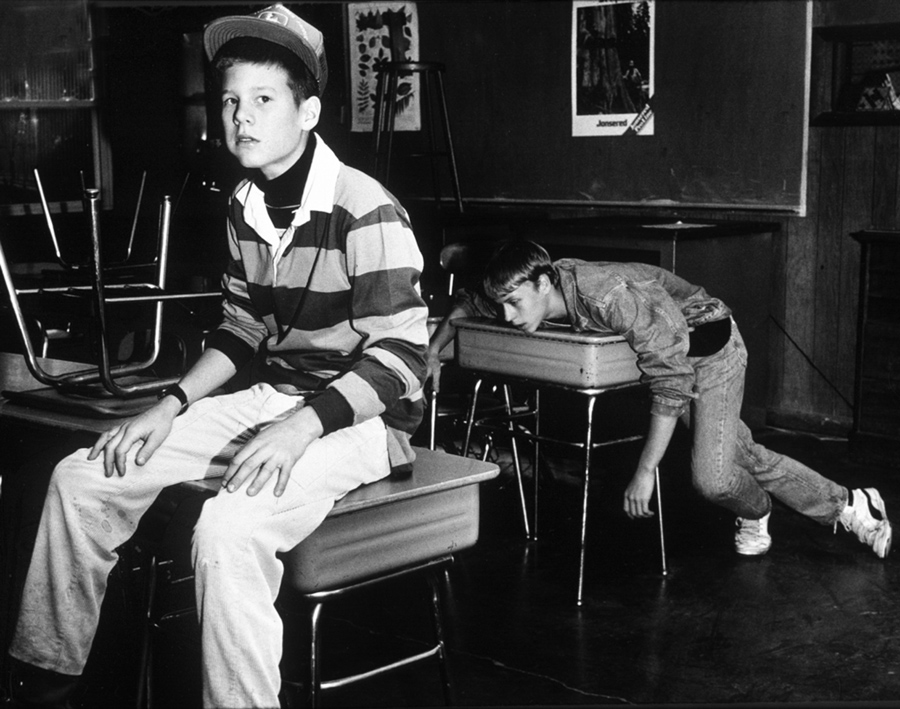
Detention, Smith Vocational High School, Northampton, 1986
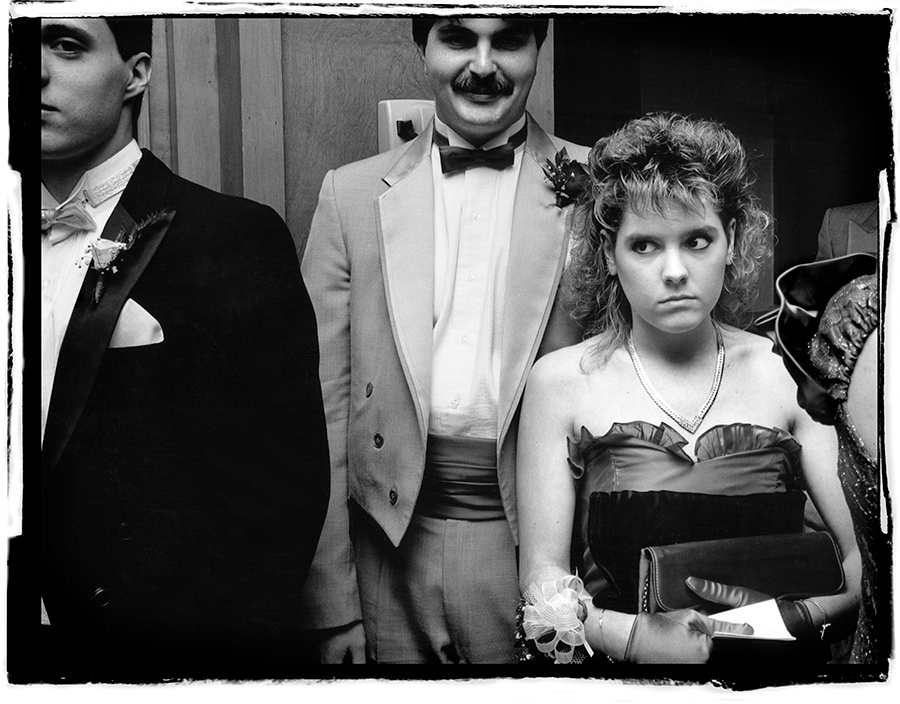
Senior Prom, Hotel Northampton, 1986
The above 2 photographs are from the series Smith Voke.
The below 2 pictures were made during the 38th Wally Byam Caravan Club International Rally held at the University of Massachusetts.
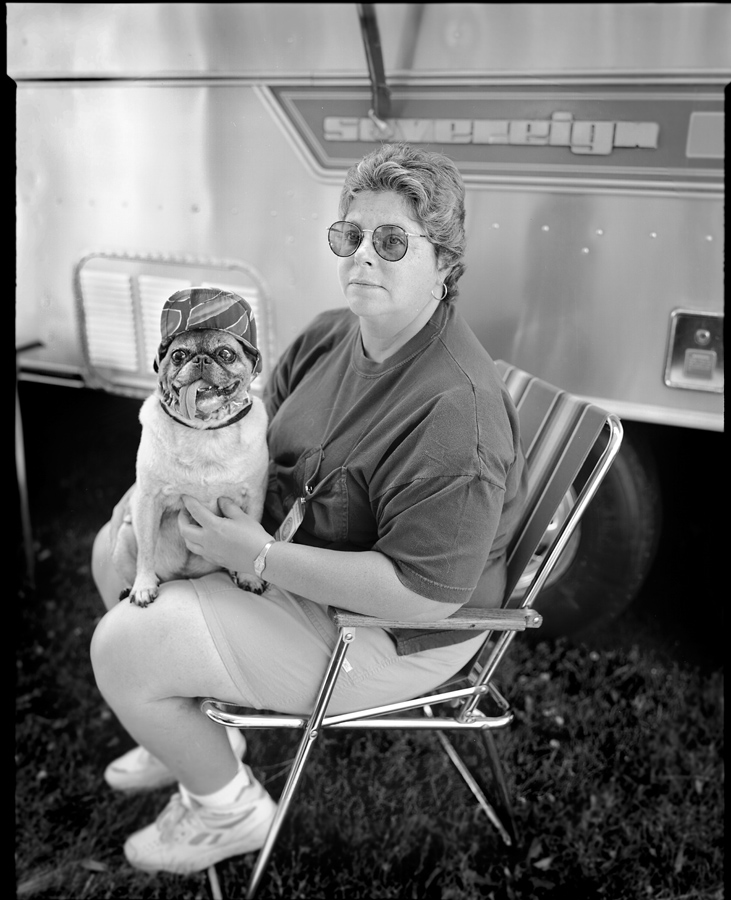
Dog Show Winner, Amherst, 1995

Man at McDonald’s, Hadley, 1995
Cultural Visions Part Seven: India Time
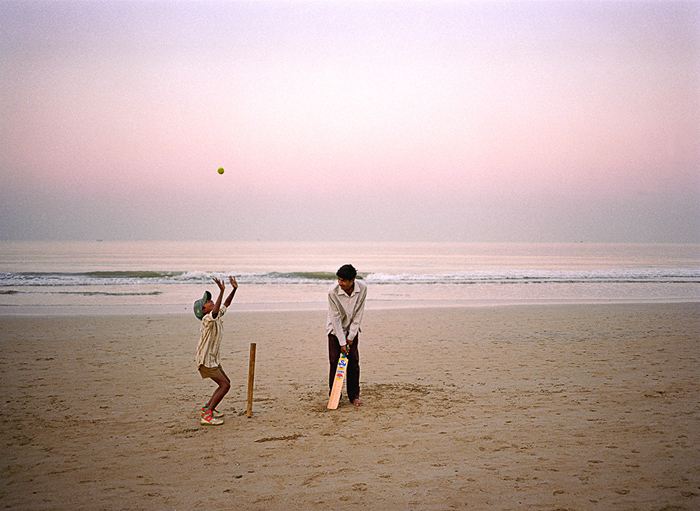
Cricket, Juhu Beach, Mumbai, India, 1999 (All photos by Frank Ward)
I first traveled to India in 1973 as part of Research Group Triangle. Three of us proposed a yearlong expedition to photograph paranormal activities in India and Nepal. The trip was supported by IAA Anstalt, a Swiss-based philanthropy headed by a charismatic and mysterious Italian. He had recently published the Open Index, a catalog of paranormal behavior in India. That first edition mostly contained addresses of yoga ashrams and organizations related to occult studies.
In 1973, as an inexperienced youth of 24, even cricket seemed unusual enough to appear “paranormal”. I finally had the opportunity to play cricket in 1999. It still feels like an activity outside of the normal.

Varanasi, India, 1973
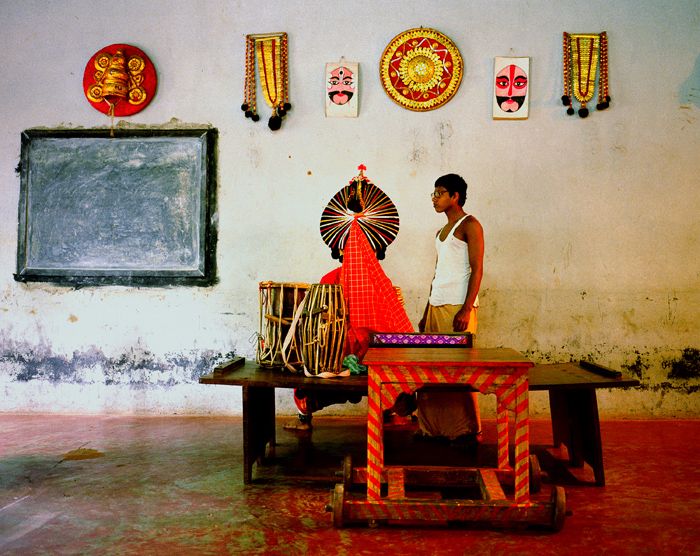
Dance Studio, Karnataka, India, 1999
Once I traveled to India, my life changed. I met my future wife, Vivian, in Geneva, Switzerland when we returned and exhibited our pictures. Five years later, Vivian and I were off to Asia for a yearlong honeymoon.

Elephant bathing, Karnataka, India, 1999
On the 1999 trip, our Rotary Foundation group received a privileged view of South India. We lived in Rotarian’s homes throughout Karnataka State and photographed where they worked and volunteered. One morning, we administered polio vaccines to children, dedicated a Rotary donated public toilet, and had lunch at a school for the blind. Later in the day, we were special guests at a brewery and had dinner at a festival. My love of Indian food was nurtured by having 4 or 5 meals a day for a month.
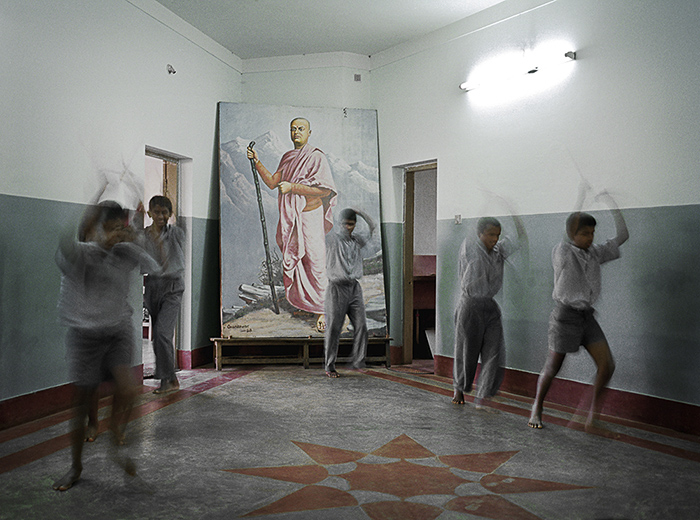
Blind Dancers, Swami Vivikananda School for the Blind, Karnataka, India, 1999
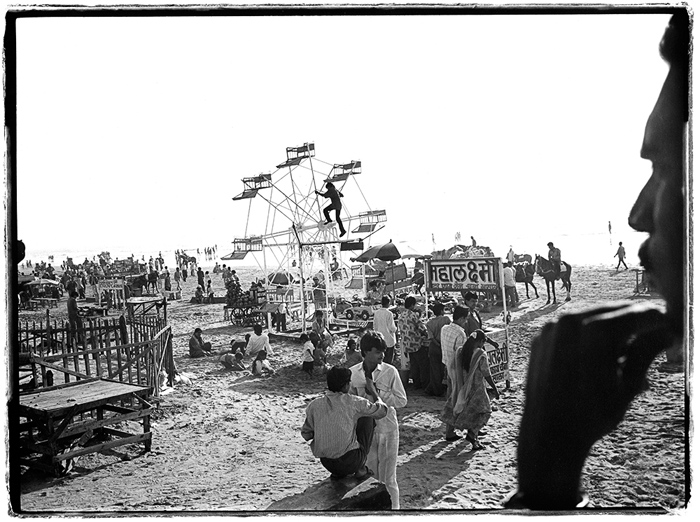
Carnival, Juhu Beach, Mumbai, India, 1999
The Ferris wheel above was powered by a man who continually climbed to turn the wheel round and round.
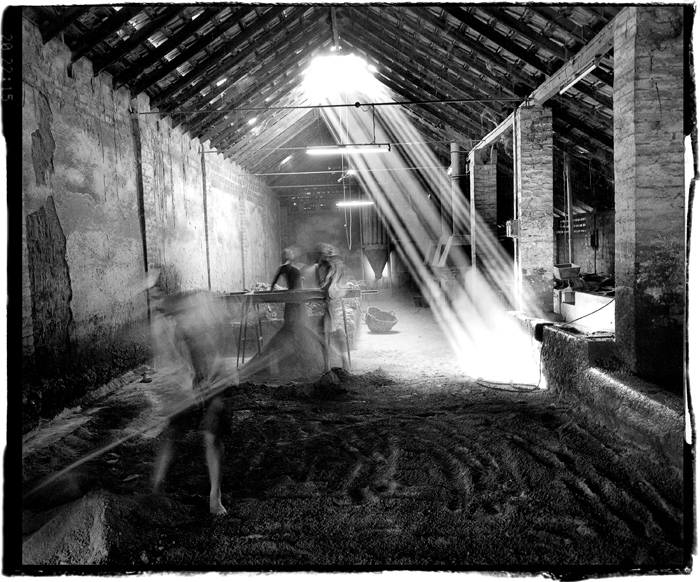
Tile Factory, Mangalore, India, 1999
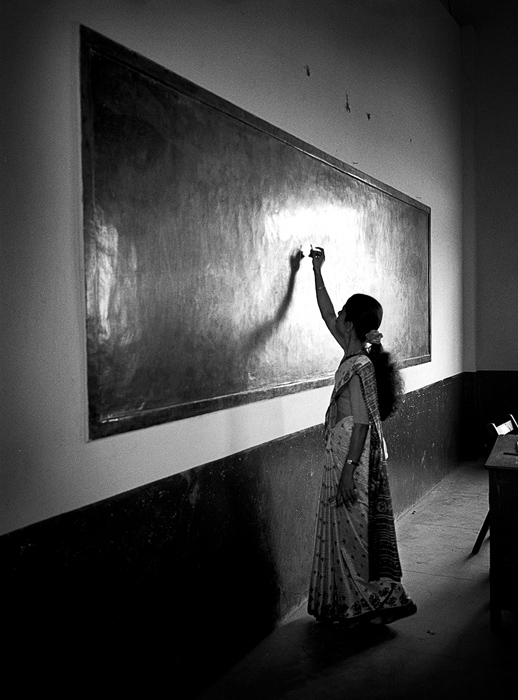
School teacher, Karnataka, India, 1999
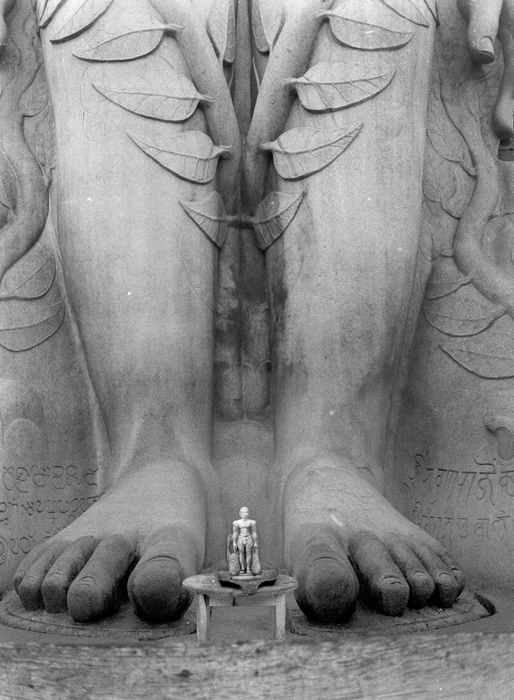
At the feet of Gomateshwara, the 58 foot tall monolithic Jain statue from the 10th century AD, Hassan, India, 1999

The author sitting at the feet of the Teaching Buddha in Cave #10, sculpture circa 700 CE, Ellora, India, 1978

I want to pass this on from SocialDocumentary.Net . Our most recent Call for Entries has a June 30th deadline. Click this link to get all the info: Www.socialdocumentary.net/competition.php Sarah Blesener, who is our most recent winner, is doing work very close to my interests–Nationalism in Russia. Her pictures are in the latest ZEKE Magazine www.zekemagazine.com . Not only did she win SDN’s $1000 prize, she won an additional $50,000 from the Alexia Foundation and the Catchlight Fellowship. That Call for Entries certainly provided some auspicious seed money. I’ll add one of my Russia pictures to this promotion in hopes that Sarah’s good fortune might rub off on me. Give your pictures a chance, too. You can’t get known without being shown.

Four Soldiers, St. Petersburg, Russia, 2008
Cultural Visions Part Six: Summertime in the FSU
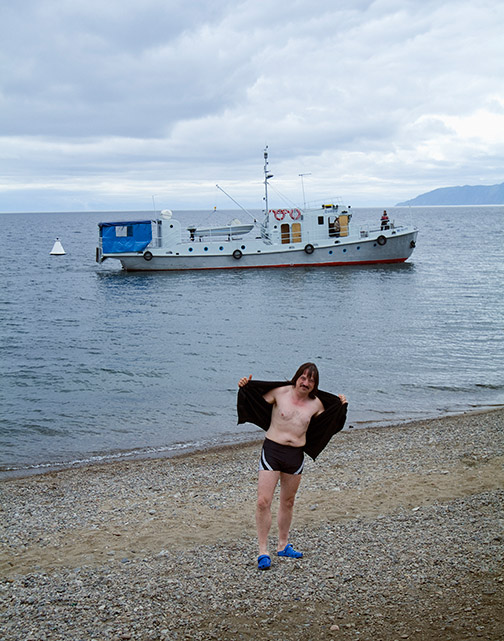
Lake Baikal, Siberia, 2008
Photographs © Frank Ward

Former torpedo testing range, Lake Issykul, Kyrgyzstan, 2012
On my March blog, my favorite pictures were from the beach. So, I have posted more warm weather pictures for April.
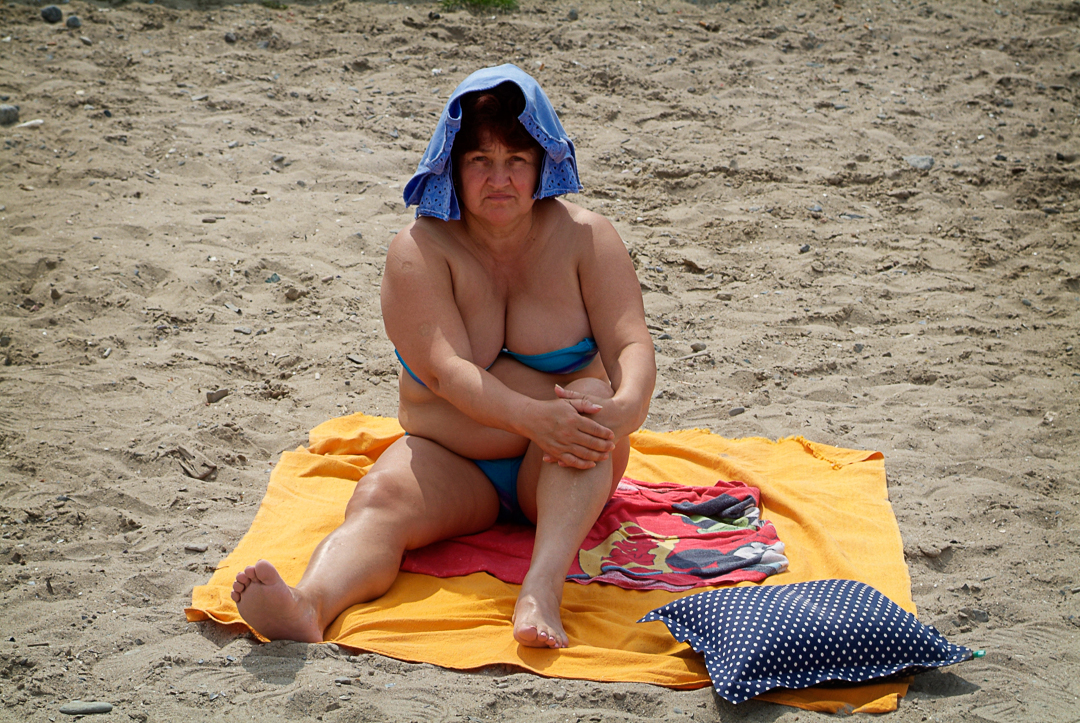
Odessa, Ukraine, 2005
The lady above just stared as I took her picture. A woman behind me asked to have her picture made, also.
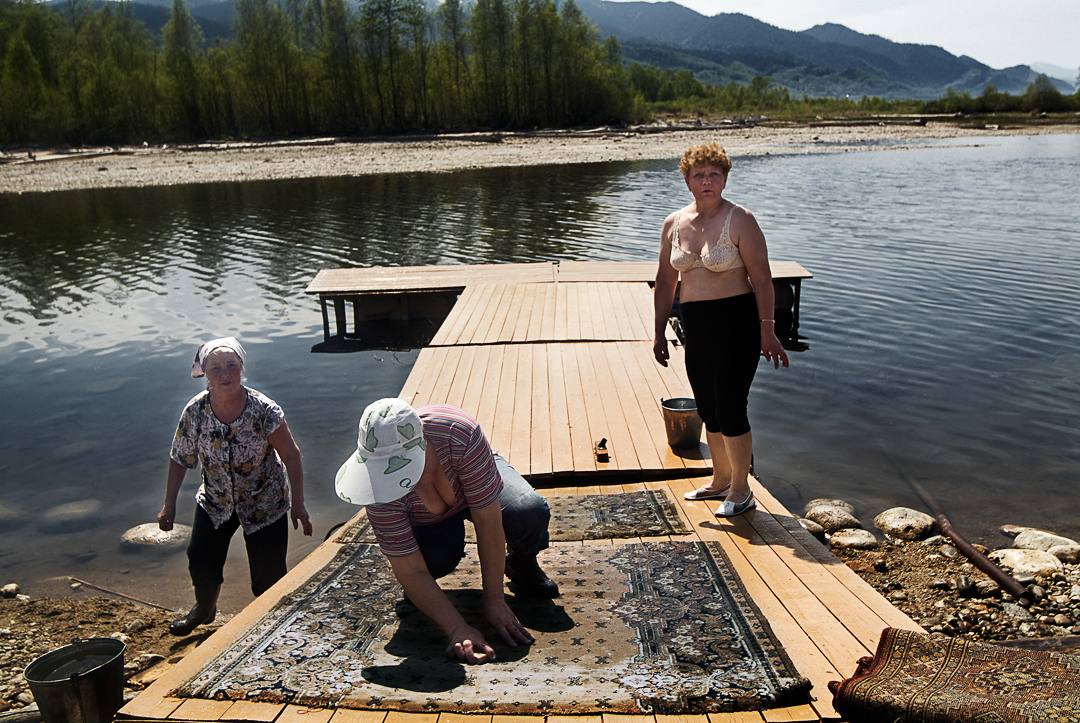
Lake Baikal, Siberia, 2008
The above women were busy cleaning carpets. The men below seemed to be showing off for the otherwise occupied ladies on the grassy knoll.

Grass Beach, St. Petersburg, Russia, 2008
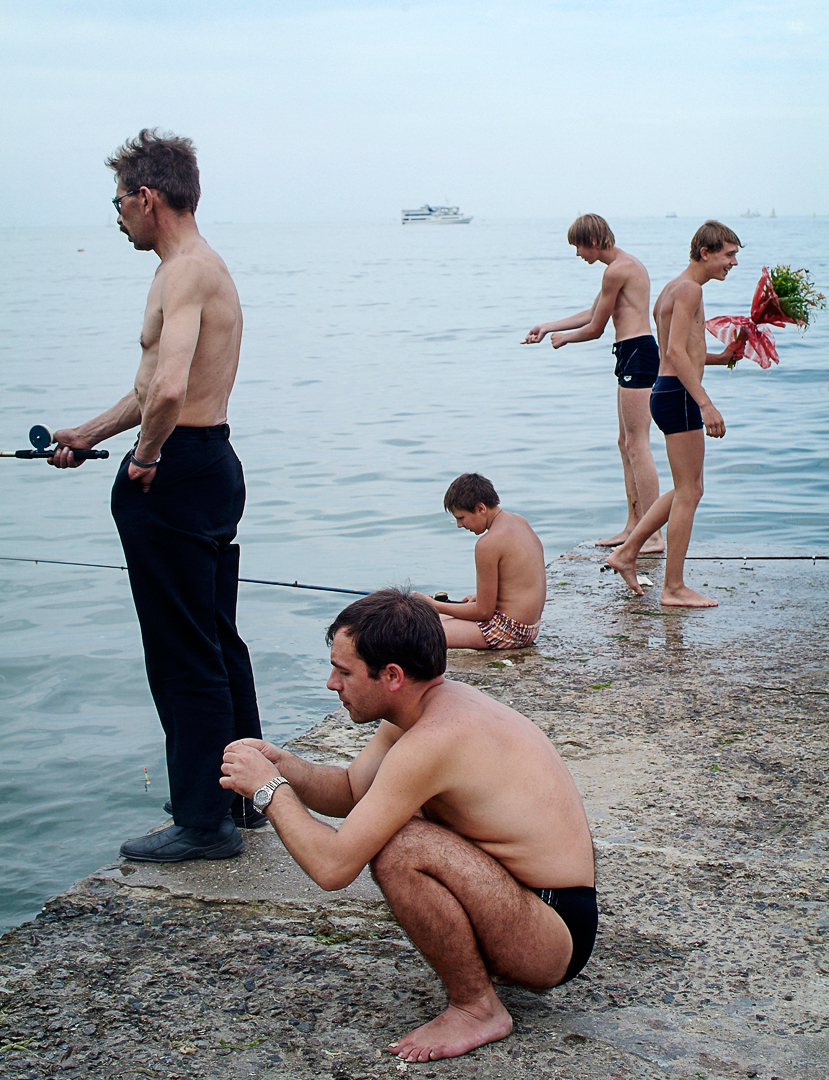
Black Sea, Ukraine, 2005
As expressed in the above and below pictures, almost everywhere I travel in Russia and Ukraine has courting going on. Everyone seems to know that a public place is a space of potential romance. I guess it is true almost anywhere. In these countries, affection is not necessarily reserved for private moments. Maybe there is a greater sense of anonymity in a public place compared to a small, soviet-style, apartment with your family looking on.

Moscow Fountain, Russia, 2008
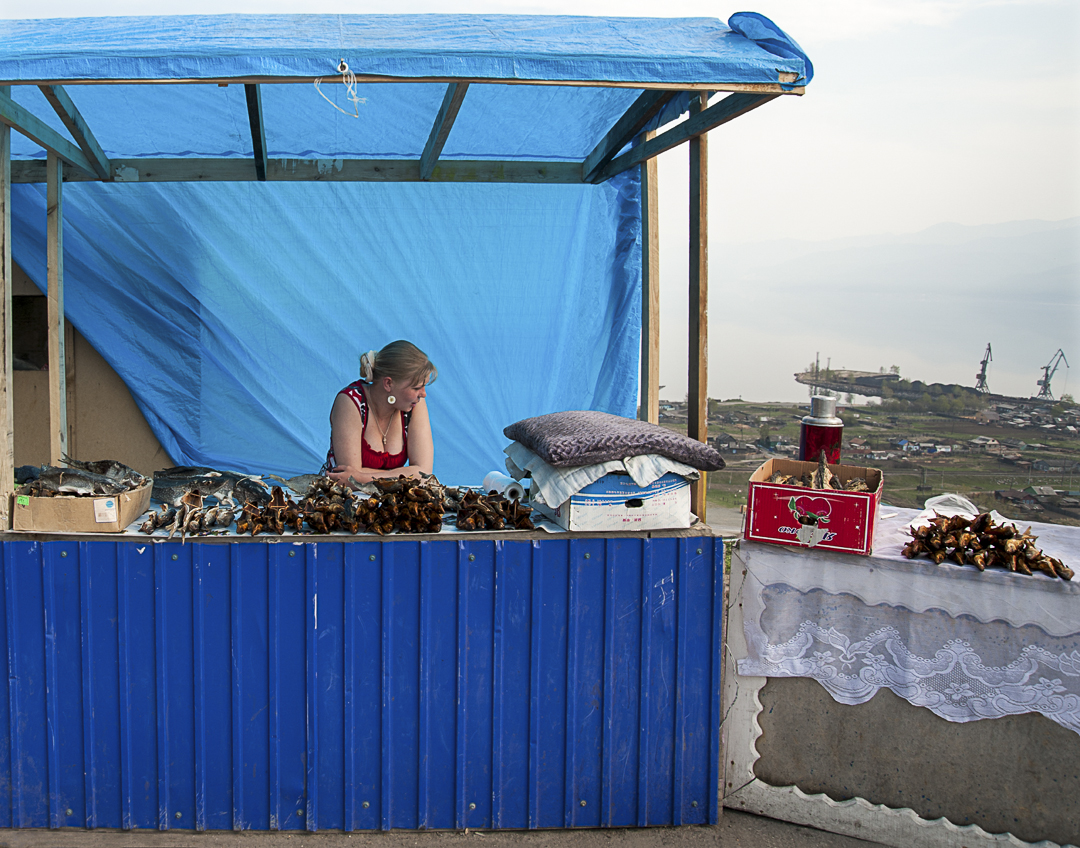
Lake Baikal, Siberia, 2010

Lake Baikal, Siberia, 2010
The two fishmongers above were photographed in May proving that Siberia can be warm in spring.
I am naturally attuned to photographing gestures. The secondary details of the above picture, the wrapped plastic bags around the kiosk frame, attract me after the fact. I know I saw them when I framed the picture, but I didn’t know if they would support the overall composition or take away from the portrait of a woman and her smoked fish.
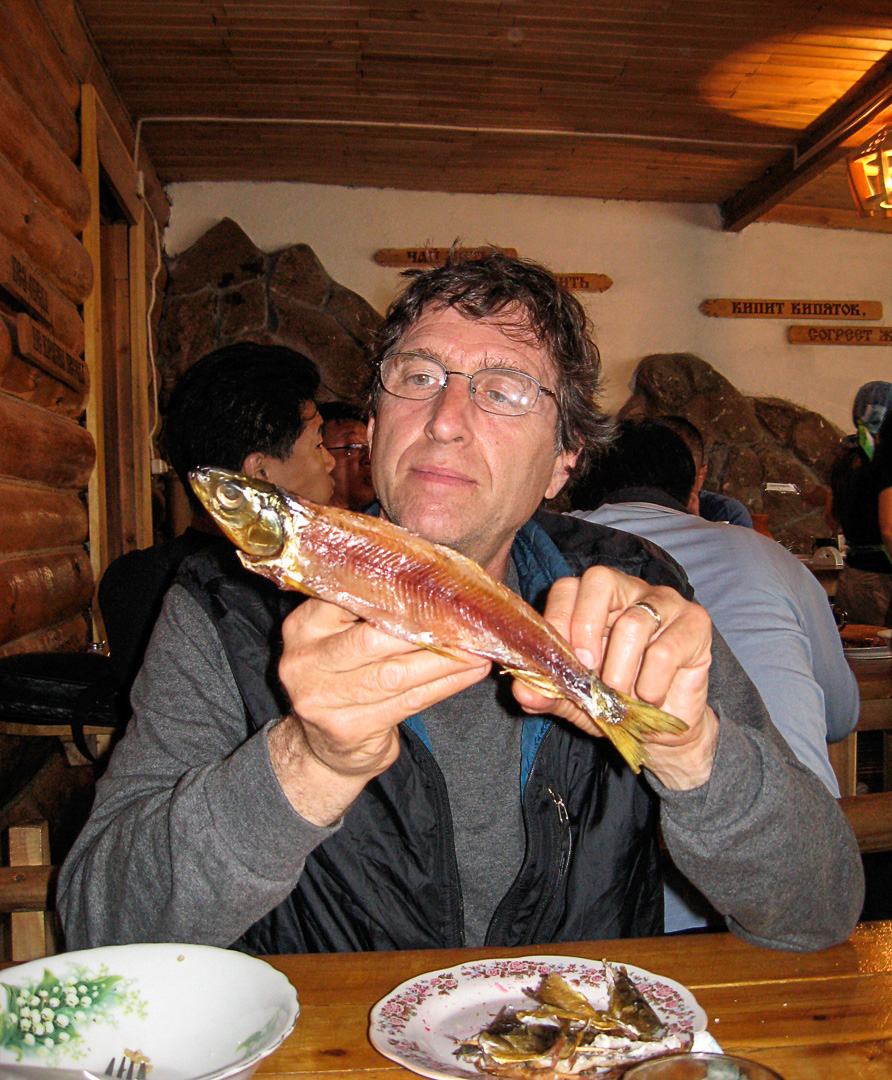
Portrait of the artist and his smoked fish (omul), Olkhon Island, Lake Baikal, 2008, by Vivian Leskes.
Cultural Visions Part Five: Bosnia, Kosovo

Boy on the road watching our Humvee, Kosovo, 2000, Frank Ward photos
Twenty years ago I traveled with Glenn Ruga, founder of Friends of Bosnia, to Sarajevo and surrounding areas. A peace accord had recently been signed to curtail the three-way conflict between Bosnians, Serbs and Croats. The country was in ruins and I would often end the day in tears after interviewing refugees and photographing bombed out towns.
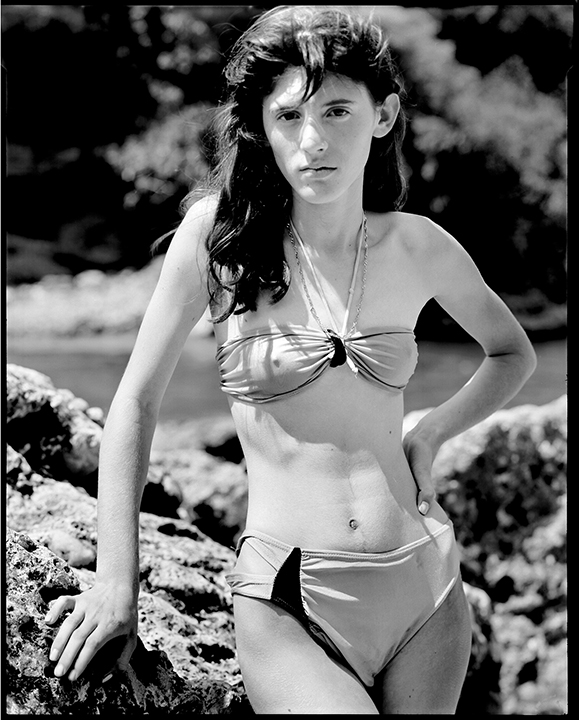
Celma, Bosnia, 1997
I am showing the portraits that compelled me through the intensity of the situation. The Roma, pictured below, had a camp by the river in Mostar. They were trapped between and within conflicting nations. They were the survivors who were not named.
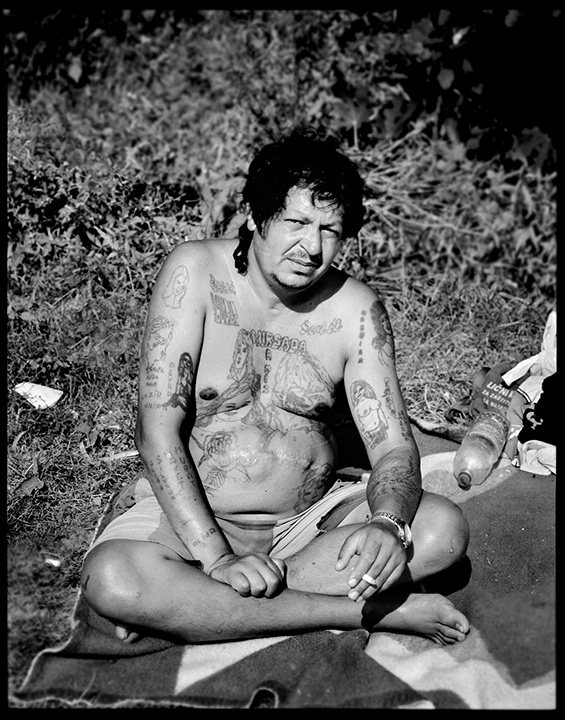
Roma Leader, Bosnia, 1997

Roma Boys, Bosnia, 1997
These pictures were made on my second trip, in the summer, with Glenn Ruga and Barbara Ayotte from Physicians for Human Rights. The situation was still horrible, but the Bosnians were slowly rebuilding their lives after years of terror. I volunteered at Mladi Most, Youth Bridge. It was more than a youth center it was a place for the war children to eat, sleep and be teenagers.
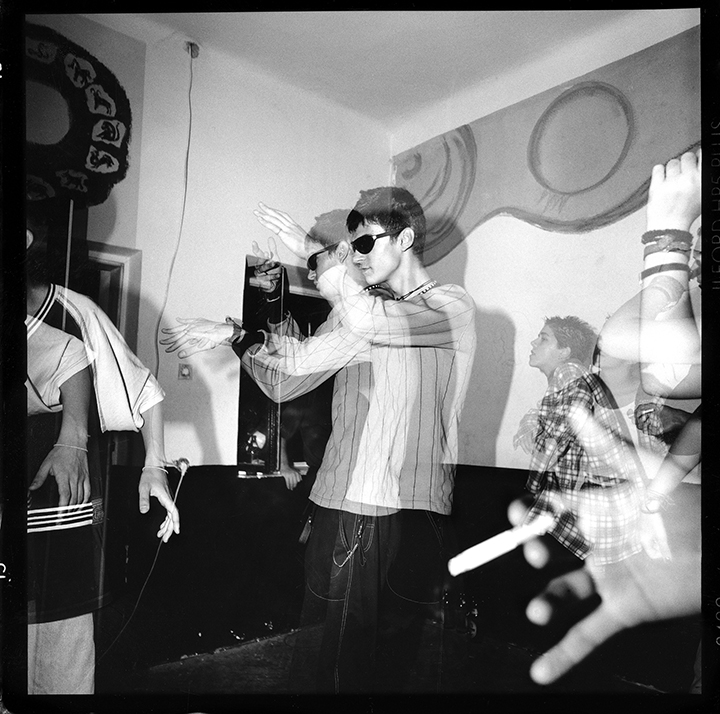
Bart’s Draft Party, Bosnia, 1997
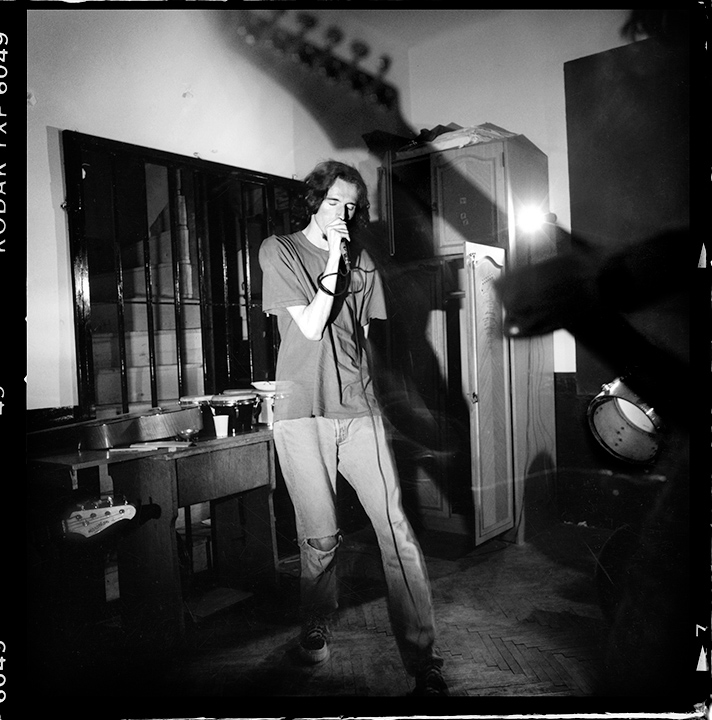
Roki Sings, Bosnia, 1997
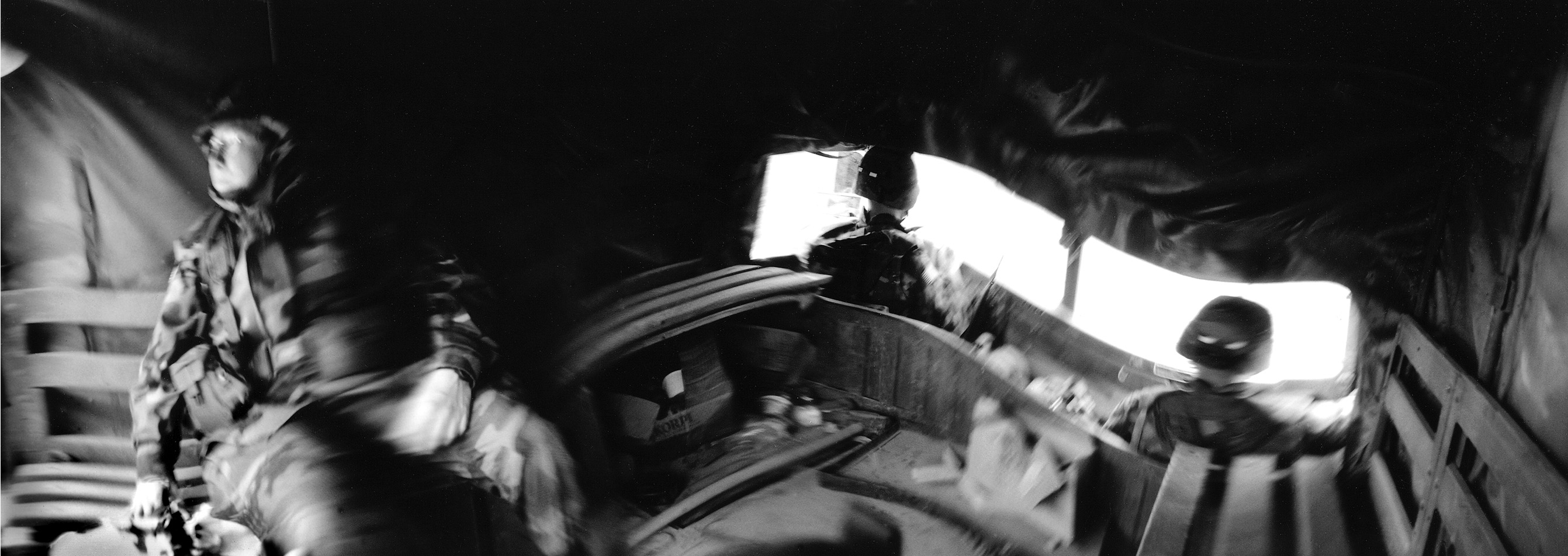
Bump, US Army Humvee, Kosovo, 2000
The following year, 1998, nearby Kosovo suffered attacks from Serbia. Glenn and I went to Kosovo in January 2000 and were imbedded with American forces; they drove us around Kosovo by day. At night we often ate at an Italian restaurant frequented by journalists and spies. I say that because the place seemed like Rick’s Place in the Bogart movie Casablanca. Instead of Sam, the piano player in the film, we had the Eagles. About once an hour Hotel California came over the speaker system. It seemed so appropriate.
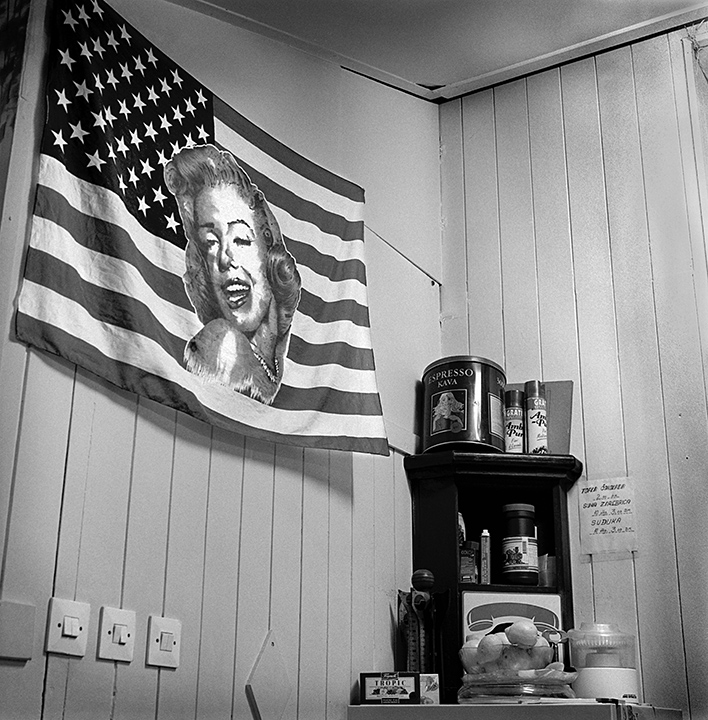
Cafe, Bosnia, 1997

Stari Most, Mostar, Bosnia, 1997
It took almost 20 years and an international court of law before the Serb fanatics in Bosnia were found guilty of genocide . The Serbs responsible for the atrocities in Kosovo are just now going on trial in the Hague. These were awful times. I selected a few pictures that I feel good about from those tense trips to the Balkan war zones. I’m not much of a war photographer. For example, an American military patrol, driving a version of a half-track tank, drove up to me as I was photographing with my 8X10 inch view camera on the Bosnia/Croatia border. One shouted, “What are you doing? I know you’re not a photojournalist because you are carrying a camera that is too big to run with.” That is still a good question.
For more of my Balkan pictures look here.
Cultural Visions Part Four: Cuba Rising
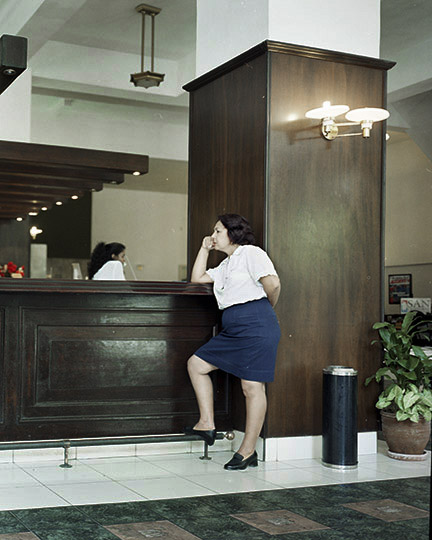
I am seeing so many beautiful portfolios from Cuba these days, especially on www.socialdocumentary.net and their magazine, ZEKE. All these pictures got me inspired to scan some more negatives from my time in Cuba 15 years ago. All photos ©Frank Ward, except the last one ©Susan S. Bank. Previously, I published pictures about Cuba here.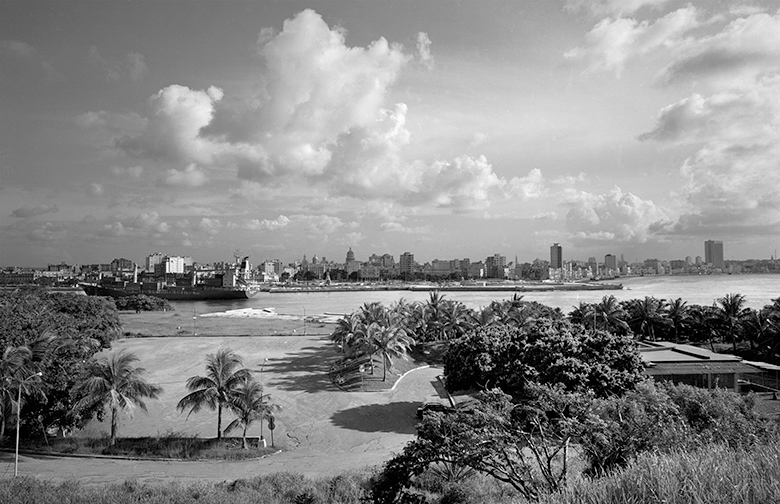
View of Havana from El Morro, 2002.
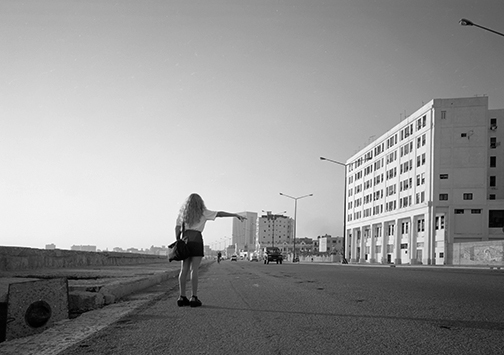
A hitchhiker along the Malecon.
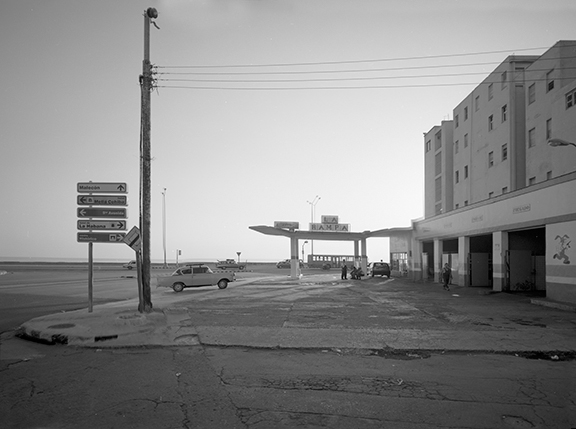
Gas station, Havana.

Solitude and Havana fit together like the pages of a great novel.
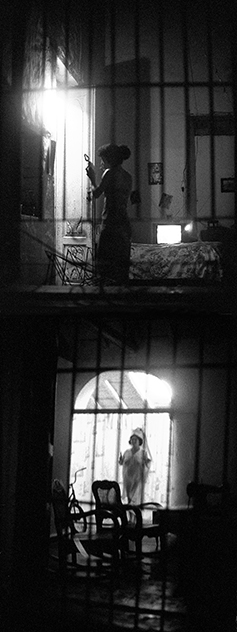
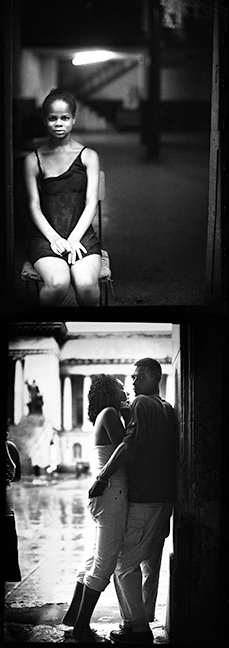
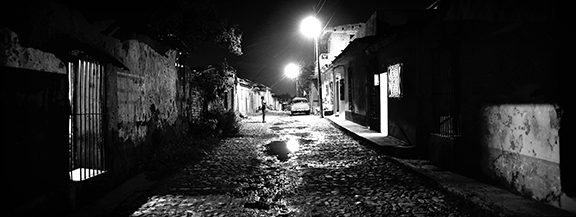
The above b/w photos are from Trinidad de Cuba, a few hours drive from Havana.
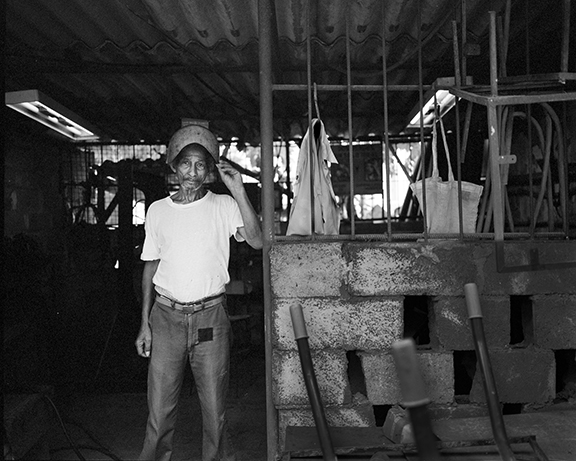
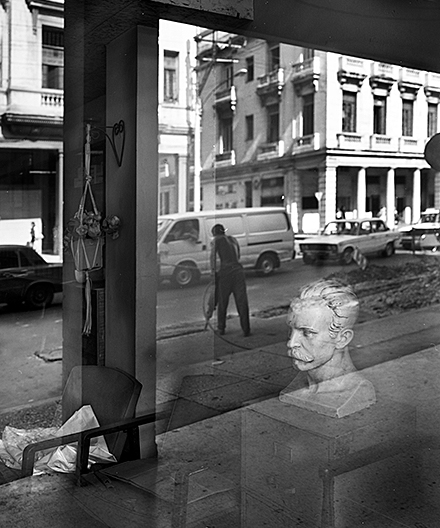
A welder taking a break from his work. Below, the bust of Cuban poet Jose Marti.
My Cuba work was done over a three week period in 2002. Susan S. Bank has been photographing Cuba for decades. I recently wrote a review of her book, Piercing the Darkness, picturing her output from 1999 to 2010.

Bank’s Cover photo for Piercing the Darkness.
My review for ZEKE Magazine:
A photo book is such a precious object in this age of picture-saturated cyberspace. At its best, the photo book stands as an artist’s statement in dialog with history. In the case of Susan S. Bank’s Piercing the Darkness, not only is the book a beautifully designed and sequenced telling of the first ten years of the 21st century in Cuba, it is a highly personalized view created with 20th century intent, style and processes. Bank’s Leica, her black and white film and her choice of lenses create a world apart from her contemporaries’ colorful Cuba travelogues. I have never seen Havana with so few old cars. Bank also skirts the seductive pleasure of the elegant, decayed architecture. The Malecón, Havana’s boulevard along the bay, is in only a few compositions. Her camera prefers to look down at the pavement and into the buildings. Fortunately, Bank does acknowledge the thousands of dogs to whom Cuba has granted the freedom to roam.
Piercing the Darkness begins in shadow. We see slumped workers with backs turned in chiaroscuro. Faces are hidden or masked. Bank masterfully photographs arms and hands, letting them direct the viewer’s eye across the frame. Many pictures are about Cubans in contact, sizzling with gesticulation and assertion. Bank is present when they argue or embrace, and often, these vignettes reveal the scars of Cuba’s crimes committed in the name of ideology.
I found myself viewing each page like a detective at a crime scene. The details unfold slowly, and the most telling evidence lies in the shadows. She certainly named her collection wisely. Like Robert Frank’s Americans, Bank’s Cubans are people with a shared mythology best expressed through their sense of solitude. We are viewing the work of an artist who knows her subject well and refuses to make simple pictures about complex lives. Bank is not telling the story of Cuba; she is telling the story of humanity through pictures of Cuba.
Cultural Visions Part Three: His Holiness the Dalai Lama as Kalachakra
 Photos by Frank Ward, Thomas Laird and Bill Hamilton (We worked as Research Group Triangle and I don’t recall which pictures are whose).
My first direct experience with His Holiness the Dalai Lama and Tibetan Buddhism came in January 1974 at the Kalachakra Initiation in Bodh Gaya, India. This was the third Kalachakra given outside of Tibet and the first that matched the crowds of the first Kalachakra empowerment given by the 14th Dalai Lama in Tibet in 1954. Over 100,000 practitioners converged to experience this tantric initiation next to the tree descended from the original Bodhi tree- the tree under which Siddartha Gautama first became Buddha, the enlightened one. That was around the year 589 BCE.

The Bodhi tree is at the top of this picture, thousands of monks are seated before His Holiness.
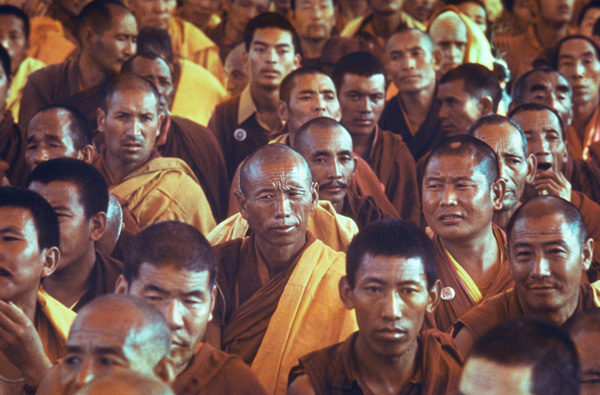
On January 3rd to 14th, 2017, the 34th Kalachakra Initiation will take place in Bodh Gaya. This time they expect well over 200,000 attendees. The teachings are free and open to everyone. Register at the website so they know you are coming.
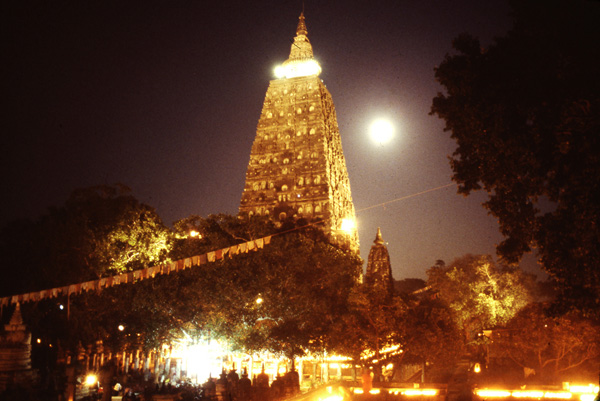
The Mahabodhi Temple adjacent to the Bodhi Tree.
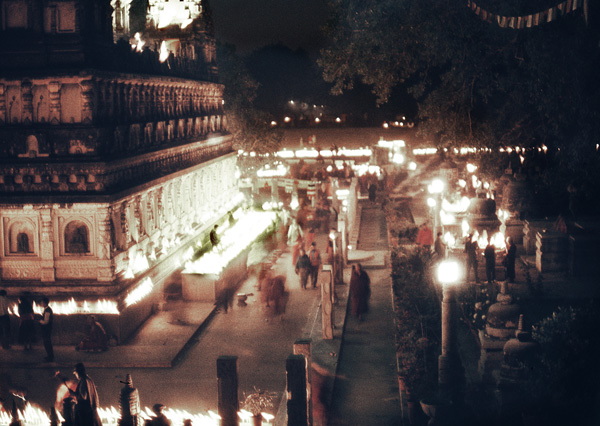
Kalachakra, 43 years ago, represented the beginning of a major shift for me. This initiation became an experience of consummate clarity. I did my first vipassana meditation retreat a week or so later, and a couple of months after that Tom, Billy and I were in residence at Takshindu Monastery in the Himalayas, renting a house for $4.00 a month.
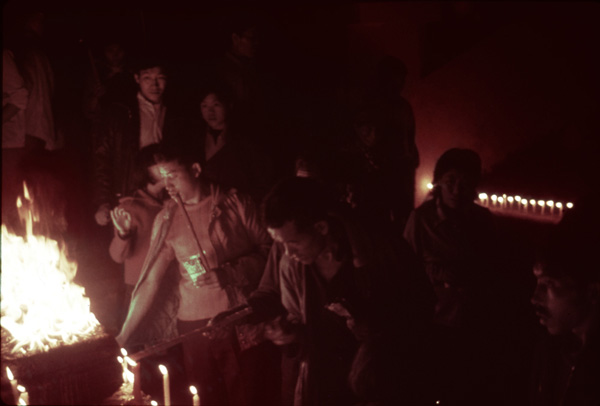
During Kalachakra, evenings are a time for lighting candles, lots of them.

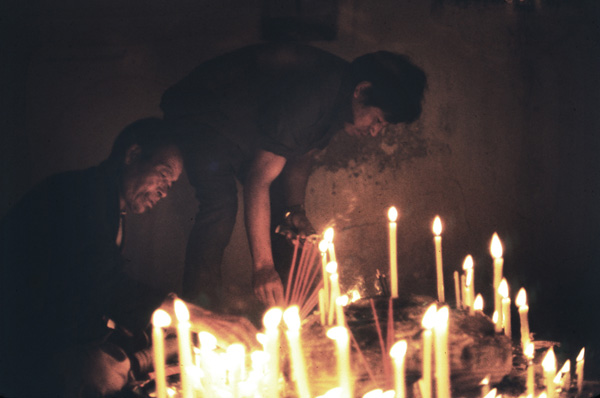
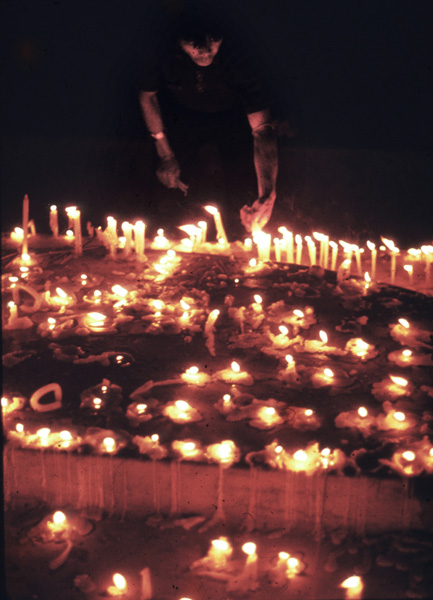

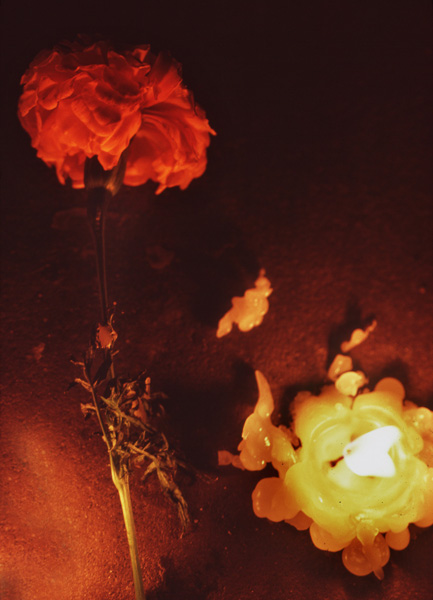
Tonight, New Year’s Eve, is an appropriate time for candles to illuminate the consummate clarity we all need to make our way through 2017.
 The Coruscating Camera